


Blog
Best Commercial Toilet Cleaners for High-Traffic Restrooms

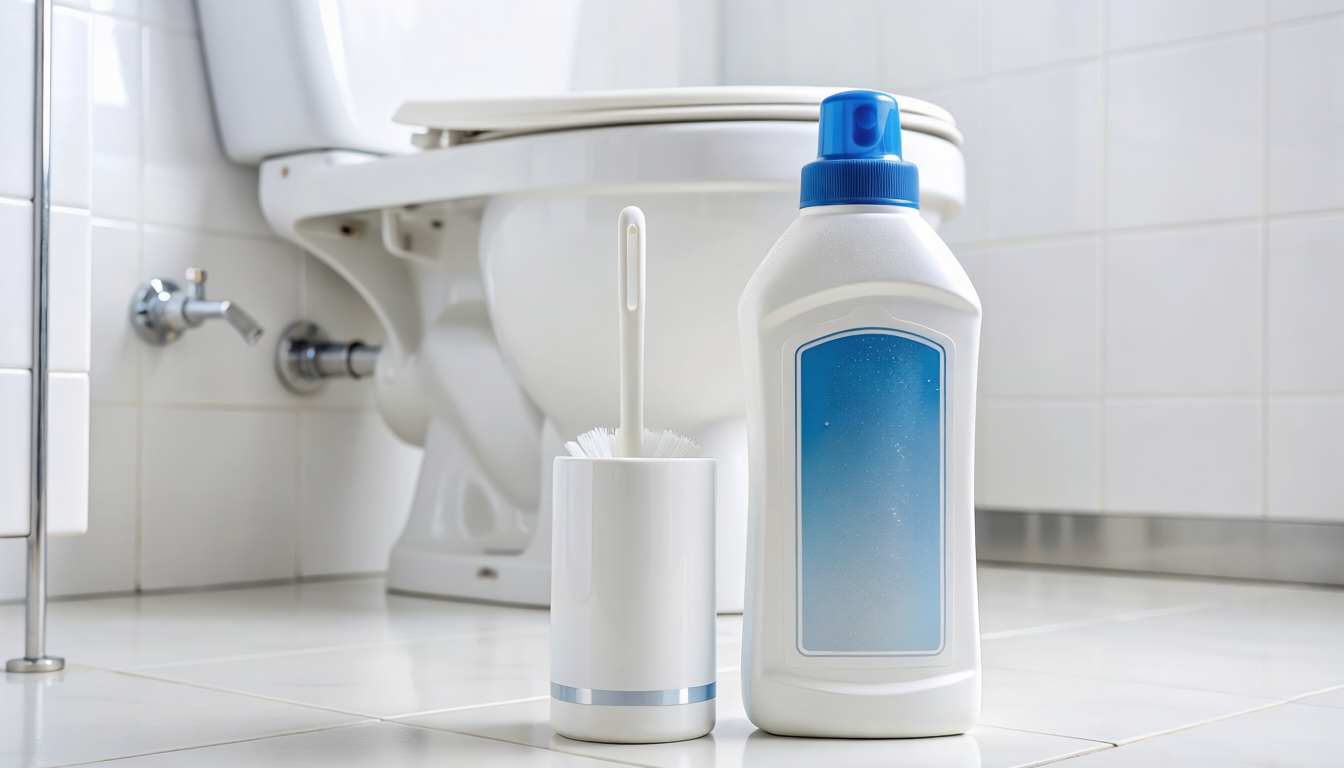
Managing a public or commercial restroom requires a strategic approach to chemical selection that goes far beyond simple surface aesthetics. For facilities like shopping centres, airports, or busy office blocks, Weskleen Supplies provides the professional-grade solutions necessary to maintain hygiene and hardware integrity. Using the right commercial toilet cleaners ensures that your fixtures remain free of scale and odours, even under the most demanding conditions. But what does “commercial-grade” actually mean when you’re facing hundreds of users per day?
Restroom Hygiene in High-Volume Environments
In high-traffic areas, the primary challenge isn’t just visible soil; it’s the rapid accumulation of uric scale and mineral deposits. These substances act as a porous substrate, trapping bacteria and foul-smelling organic compounds that standard cleaning agents cannot reach. A restroom that looks clean but smells “stale” is often suffering from a failure to address the underlying chemistry of urine salts.
The Science of Uric Scale Removal
Uric acid crystals are notorious for bonding to porcelain and stainless steel surfaces. Over time, these crystals harden into a rock-like substance known as uric scale. Think of professional descalers like a high-performance chemical wrench. Just as the right tool effortlessly loosens a rusted bolt that a standard pliers wouldn’t budge, an acidic commercial cleaner chemically breaks the bond between the scale and the porcelain, allowing it to be rinsed away without damaging the fixture.
Failing to address this buildup leads to persistent odours that no amount of air freshener can mask. Professional toilet bowl descaling requires specific concentrations of hydrochloric or phosphoric acid to penetrate these layers. However, the viscosity of the cleaner is just as important as the acid content. A thin liquid simply runs into the water trap, whereas a high-viscosity gel clings to the vertical surfaces and under the rim, providing the necessary contact time to dissolve stubborn deposits.
The Psychological Impact of Cleanliness
Restroom hygiene is one of the most significant factors in customer satisfaction. Research consistently shows that users associate the cleanliness of a restroom with the overall quality of a business, particularly in hospitality and retail. If a customer encounters a stained bowl or a lingering odour, they subconsciously apply that lack of care to the kitchen or the back office.
Identifying “silent indicators” of poor maintenance is essential for facility managers. These include mineral rings at the water line, dusty vent covers, and tarnished flush buttons. By prioritising the use of effective commercial toilet cleaners, you aren’t just cleaning a fixture; you’re protecting your brand’s reputation and ensuring that your facility is perceived as a safe, professional environment.
Selecting Commercial Toilet Cleaners
Choosing between different formulas depends entirely on the current state of your restrooms and the type of plumbing infrastructure you manage. Using an overly aggressive acid for daily maintenance can prematurely wear down seat hinges and flush buttons, while a weak cleaner will allow minerals to gain a foothold.
Acid-Based vs pH-Neutral Formulas
For restrooms facing heavy mineral buildup or “blue-green” staining from copper piping, an acid-based descaler is essential. These products are designed for periodic restoration rather than every-hour wiping. On the other hand, for daily upkeep, a pH-neutral or mildly alkaline cleaner is often the better choice. These formulas are safer for staff to handle and won’t release corrosive fumes that can tarnish expensive chrome or stainless steel fixtures over time.
Consider the experience of David, who manages the facilities for a major transport hub in Perth. His team was using a harsh acid cleaner every four hours, thinking it was the only way to keep the toilets “white.” However, they noticed the chrome flush plates were pitting and the plastic seats were becoming brittle. By switching to a high-performance, non-acidic all-purpose cleaner for the hourly rounds and reserving a heavy descaler for a weekly deep clean, they extended the life of their fixtures by years. They achieved a toilet bowl descaling result that was more consistent without the side effects of chemical over-exposure.
Bio-Enzymatic Technology and Odour Control
A significant advancement in commercial toilet cleaners is the introduction of bio-enzymatic formulas. Unlike traditional acids that dissolve scale through chemical reaction, enzymatic cleaners use beneficial bacteria to “digest” organic waste. These bacteria continue to work long after the cleaner has been wiped away, penetrating deep into the porous surfaces of the porcelain and even into the plumbing pipes.
For facilities with persistent odour problems, often caused by urine that has seeped into floor grout or behind the toilet base, enzymatic cleaners are vastly superior. They address the root cause of the smell rather than masking it with fragrance. Furthermore, because they are non-corrosive, they are the ideal choice for businesses with septic systems or those committed to a greener cleaning profile.
Foam and Gel Delivery Systems
Efficiency in high-traffic cleaning is often a matter of visibility. Staff need to see where they’ve applied the product to ensure total coverage. Using a foaming cleaner or a brightly coloured gel allows for a quick visual audit. This ensures that the chemical has reached the “dark zones” under the rim where bacteria colonies often hide.
Furthermore, these high-cling delivery systems reduce chemical waste. When a cleaner stays on the surface instead of immediately draining away, you use less product per fixture. This is a critical consideration for facility managers looking to balance high hygiene standards with strict operational budgets.
Professional Tools for Restroom Maintenance
Even the most effective commercial toilet cleaners require the right tools for application. Using outdated or unhygienic equipment can actually spread contaminants rather than removing them. The synergy between chemical and tool is what determines the final quality of the clean.
Ergonomic Equipment Selection
So why do professionals swear by specialised brushes when a standard hardware store version seems similar? An ergo toilet brush with an extra-long handle doesn’t just improve the reach; it keeps the cleaner’s hands further away from the splash zone. This improves staff safety and encourages a more thorough scrub of the trap and rim.
Organisation is equally important. Keeping your restroom-specific tools in a dedicated hand caddy prevents the accidental use of restroom cloths in office areas. This system is the cornerstone of any professional cross-contamination prevention strategy. When your team has everything they need in one portable unit, they’re less likely to skip steps or use the wrong tool for the job.
Step-by-Step Cleaning Protocols
A structured approach to commercial toilet cleaners application ensures that every surface is sanitised while minimising the time a cubicle is out of service. High-traffic environments demand a routine that is fast yet comprehensive.
High-Traffic Daily Maintenance
- Pre-Flush and Apply: Flush the toilet to moisten the surface, then apply the cleaner under the rim. Allow a dwell time of at least five minutes for the chemical to work.
- Surface Sanitisation: While the bowl cleaner works, use a germicidal spray on the seat, handle, and exterior porcelain. If you are using an all-purpose cleaner for the exterior, ensure it is diluted correctly to avoid leaving a sticky residue.
- Agitation: Use your brush to scrub the bowl, paying close attention to the water line where scale most frequently forms. Don’t forget to scrub deep into the trap.
- Final Rinse: Flush the unit to rinse away the chemical and loosened soil. Inspect the rim to ensure no deposits remain.
- Dry and Inspect: Wipe down the exterior surfaces with a clean microfibre cloth to prevent water spots and ensure a high-shine finish.
Weekly Deep Cleaning Cycles
While daily maintenance keeps restrooms presentable, a weekly deep clean is required for effective toilet bowl descaling. This is when you should employ your most potent acidic cleaners to remove the hidden layers of minerals that daily pH-neutral cleaners might miss.
During this cycle, pay close attention to the floor-to-fixture seals. Over time, these seals can degrade, allowing moisture and bacteria to seep underneath the toilet base. Re-sealing these areas or treating them with a bio-enzymatic cleaner prevents the “basement smell” often associated with older public restrooms.
Staff Training and Safety Protocols
The effectiveness of any commercial toilet cleaners programme is entirely dependent on the knowledge of the staff applying them. Improper use of chemicals is the leading cause of damaged fixtures and workplace injuries.
Ensuring every staff member understands the Safety Data Sheets (SDS) for the products they use is a legal and moral requirement. Never mix different cleaners, especially bleach and acid-based descalers, as this can create toxic chlorine gas. By providing clear training on all-purpose cleaner dilution ratios and proper PPE usage, you protect your team and ensure the highest possible standards of hygiene.
Ultimately, the goal is to provide a restroom environment that reflects the high standards of your business. Consistency and the right chemistry are the keys to success. For more information on volume discounts for our range of chemicals or to get expert advice on your specific facility needs, please contact us to speak with our technical team.