


Blog
Child-Safe Cleaning Products for Daycare Centres in Perth

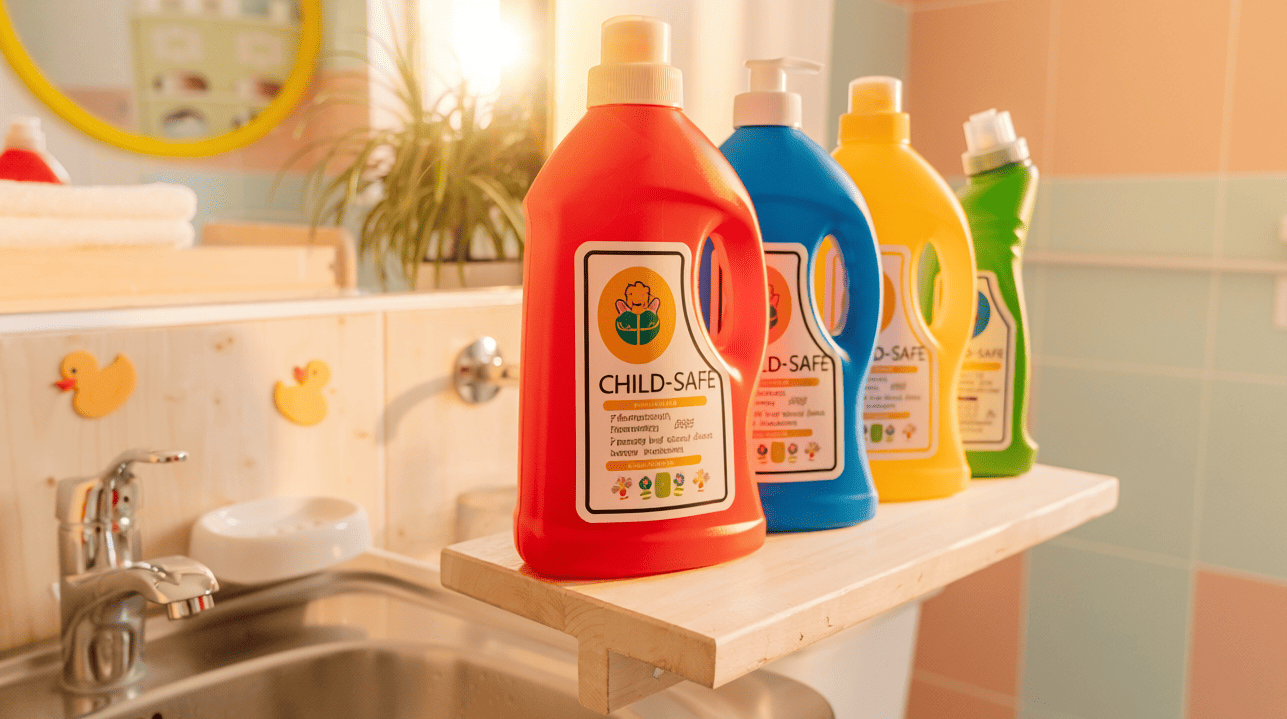
Running a daycare centre in Perth involves a constant, high-stakes balancing act. You are tasked with maintaining hospital-grade hygiene to prevent the spread of gastro and flu, while simultaneously ensuring the environment is chemically safe for infants who crawl on floors and put everything in their mouths. Selecting the right child-safe cleaning products is not just about keeping the centre looking tidy; it is a fundamental part of your duty of care under the National Quality Framework.
Children’s immune systems are still developing, making them more susceptible to pathogens. However, their respiratory systems and skin are also far more sensitive to volatile organic compounds (VOCs) and harsh chemical residues than adults. A bleach-heavy cleaning regime might kill the germs, but if it triggers asthma or dermatitis in the children, the solution becomes the problem. Weskleen Supplies partners with childcare operators across Western Australia to implement cleaning systems that hit the sweet spot: ruthless on germs, but gentle on children.
The “Child-Safe” Balance: Hygiene vs. Chemical Exposure
The term “child-safe” in the cleaning industry is often misunderstood. It does not mean the chemical is drinkable or harmless if mishandled. Rather, it means the product, when used correctly, leaves no toxic residue, emits minimal fumes, and poses no long-term health risks to occupants.
Think of chemical residue like invisible sticky tape. If you use a cheap, high-alkaline floor cleaner, it often leaves a sticky film behind. As babies crawl over it, that film, and the dirt stuck to it, transfers to their hands, and inevitably, to their mouths. This is a primary ingestion pathway for chemicals in childcare settings.
The solution lies in separating “cleaning” from “sanitising”. Not every surface needs to be nuked with heavy-duty disinfectant. Low-risk surfaces like windows, walls, and general floor areas often just need effective soil removal using a pH-neutral detergent. This removes the food source for bacteria without leaving a chemical burden.
Regulatory Requirements for WA Centres
In Western Australia, childcare services are assessed against the National Quality Standard (NQS). Quality Area 2 (Children’s Health and Safety) explicitly requires that “every reasonable precaution is taken to protect children from harm and from any hazard likely to cause injury.”
Specifically, NQS Element 2.1.3 states that “effective hygiene practices are promoted and implemented.” This is where product selection becomes a compliance issue. Auditors look for evidence that your cleaning practices align with the NHMRC’s Staying Healthy: Preventing infectious diseases in early childhood education and care services. This guideline advocates for a risk-based approach. It explicitly warns against the overuse of disinfectants, noting that standard detergents and water are sufficient for most general cleaning tasks, provided mechanical friction is used.
However, when you do need to sanitise, specifically for nappy change mats, toilets, and food preparation surfaces, compliance requires a product that works. Using a generic “eco-cleaner” with no proven kill claim in a nappy change area could result in a non-compliance finding during an assessment and Rating visit.
Essential Chemical Categories
Building a compliant inventory means choosing products that perform specific roles without overlapping risks. It is about having the right tool for the right job, rather than a “one chemical does it all” approach that usually fails on both safety and efficacy grounds.
Daily General Cleaning
For the vast majority of your centre, playrooms, hallways, reception, and dining tables, a high-quality, pH-neutral detergent is the gold standard. These products lift dirt, saliva, and organic matter without stripping floor polish or damaging paintwork.
We recommend Mr. Bean 5L All-Purpose Cleaner for these general tasks. Its formulation is low-VOC, meaning it won’t fill the room with harsh fumes that can irritate sensitive lungs. It cuts through grime effectively and, most importantly, rinses free, ensuring that the surfaces children touch are clean and chemically neutral. Using a dedicated pH-neutral detergent for these areas protects the longevity of your furniture and floors while ensuring safety.
Targeted Sanitisation
There are “red zones” in every centre where detergent alone is not enough. Nappy change tables, toilet seats, and door handles during a gastro outbreak require a TGA-listed disinfectant.
The key here is targeted application. You don’t need to spray hospital-grade disinfectant on the art easels. Save the heavy hitters for the bio-hazard zones. When using these products, staff must be trained on “contact time”, letting the product sit wet to kill the germs, followed by a thorough rinse with water to remove any chemical residue before a child touches the surface again.
The Hidden Dangers of Fragrance
One of the biggest red flags in childcare cleaning is a strong artificial smell. Many commercial cleaners are loaded with phthalates, chemicals used to bind fragrance that are known endocrine disruptors. In a childcare setting, “clean” should smell like nothing.
If you walk into a room and the smell of “lemon” or “pine” hits you in the face, you are smelling airborne VOCs. For a child with asthma or sensory processing sensitivities, this can be a trigger. Opting for low-VOC products that rely on chemistry rather than perfume to clean is a simple step towards a healthier indoor environment.
Floor Hygiene: The Crawling Zone
In an office, the floor is just a surface you walk on. In a daycare, the floor is a workspace, a play area, and occasionally a dining table. It is the highest-contact surface for the most vulnerable age group (0-2 years).
Hard Floors and Residue Risks
Traditional mopping often fails here. Cotton mops tend to spread dirty water around, leaving that “sticky tape” residue mentioned earlier. We strongly advocate for microfibre technology in childcare settings. A high-grade microfibre mop head uses static charge and capillary action to physically trap dirt and up to 99% of bacteria without needing aggressive chemicals. Using a dedicated microfibre mop head for the nursery prevents cross-contamination from the bathroom.
Lisa, a centre director in Joondalup, contacted us last year regarding a persistent rash affecting several infants in the nursery room. Parents were worried it was an allergic reaction to the carpet or food. Upon review, we discovered the cleaner was using a heavy-duty “citrus” degreaser meant for industrial kitchens on the nursery vinyl. The residue was irritating the babies’ skin. We switched the centre to a residue-free neutral cleaner and a proper microfibre system. The rashes cleared up within a week.
Carpet Care and Steam Cleaning
Soft-fall areas and carpets are magnets for allergens, saliva, and spills. While daily vacuuming removes dust, it doesn’t remove the biological load. Centres should implement a schedule of hot water extraction (steam cleaning) at least quarterly. This process uses heat to sanitise the fibres and extraction to remove the moisture, ensuring carpets dry quickly to prevent mould growth.
Managing Outbreaks: When the “Flu” Hits
Routine cleaning keeps a centre tidy; outbreak cleaning keeps it open. When Gastroenteritis or Norovirus enters a centre, your cleaning protocol must shift gears immediately.
The Two-Step Clean
During an outbreak, the “spray and wipe” method is insufficient. Staff must be trained in the Two-Step Clean:
- Mechanical Cleaning: Use a neutral detergent and vigorous friction to physically remove vomit, faeces, or organic matter. You cannot disinfect dirt; the organic matter deactivates the chemical.
- Chemical Disinfection: Once the surface is visually clean, apply a hospital-grade disinfectant and ensure it remains wet for the required contact time (usually 5-10 minutes).
Handling Vomit Spills
Vomit is the primary vector for Norovirus spread. A single incident can aerosolise millions of viral particles. Centres should have a “Spill Kit” ready, containing absorbent granules, disposable scoops, gloves, and masks. The goal is to contain the spill immediately without spreading it, then disinfect the area thoroughly.
Hygiene Beyond Surfaces: Toys and Laundry
Toy Cleaning Schedules
Toys are notoriously difficult to keep clean. They are sneezed on, chewed, and passed between children constantly.
- Plastic Toys: These can often be cleaned in a commercial dishwasher on a sanitising cycle (check manufacturer instructions). Alternatively, they should be washed in warm soapy water and air-dried.
- Soft/Plush Toys: These should be minimised in centres due to hygiene risks. If used, they must be machine washable.
- Schedule: Establish a “Mouthing Toy” bucket. Any toy that goes into a child’s mouth is immediately placed in the bucket to be washed before returning to circulation.
Laundry Protocols
Bibs, cot sheets, and cushion covers are high-risk items. They should be washed at temperatures above 60°C to ensure thermal disinfection. Ensure your laundry detergent is also low-fragrance to prevent skin irritation, as these items have prolonged contact with children’s skin.
Preventing Cross-Contamination and Accidents
Managing the physical safety of cleaning equipment is just as vital as the chemical selection. A spray bottle left on a low bench is a magnet for a curious toddler.
Smart Storage Solutions
Cleaning in a live environment requires tools that keep chemicals secure yet accessible to staff. A cleaning hand caddy is essential. It allows staff to carry their colour-coded cloths and spray bottles in one hand while keeping the other free. Crucially, it is portable enough to be placed immediately on a high shelf out of reach, rather than leaving bottles scattered on surfaces while cleaning. Staff should never leave a cleaning hand caddy unattended on the floor.
Colour-Coding for Visual Safety
Colour-coded cleaning is mandatory in food safety but critical in childcare to prevent cross-contamination.
- Red: Toilets and nappy change areas.
- Blue: General play areas.
- Green: Kitchen and food service.
- Yellow: Infectious clean-ups (vomit/blood).
This visual language prevents the catastrophic error of using a bathroom cloth on a highchair tray.
Safe Storage, Documentation, and Staff Training
The most child-safe product in the world becomes dangerous if stored incorrectly. WA regulations dictate that all cleaning chemicals must be stored in locked cupboards or rooms. However, “in-use” safety is where slips happen.
Dilution Control
Manually “glugging” concentrate into a bucket often results in a solution that is 5 or 10 times stronger than necessary. This not only wastes money but creates a highly concentrated residue that can cause chemical burns or respiratory distress. Using pump dispensers or portion-controlled systems ensures the mix is exactly right every time, safe for children, effective against dirt.
Audit Readiness: Documentation
When an assessor visits, they want proof of your systems. Keep a visible cleaning log in bathrooms and nappy change areas. It should track not just when it was cleaned, but who cleaned it. Ensure Safety Data Sheets (SDS) for every product are physically available to staff, not just saved on a computer in the office. This is a common non-compliance issue during spot checks.
Cost-Effective Safety Strategies
Many operators assume that “safe” and “green” products are more expensive. In reality, professional cleaning systems often lower costs. Buying Mr. Bean in 5L concentrates costs a fraction of buying ready-to-use spray bottles from the supermarket.
Furthermore, protecting your staff and children from chemical exposure reduces sick days and liability risks. A compliant, safe cleaning system is an investment in your centre’s reputation and operational stability.
If you are reviewing your hygiene protocols or need advice on removing harsh chemicals from your nursery, contact us today. We can help you build a cleaning inventory that meets WA regulations and gives parents peace of mind.