


Blog
Non-Toxic Disinfectants for Early Learning Centres

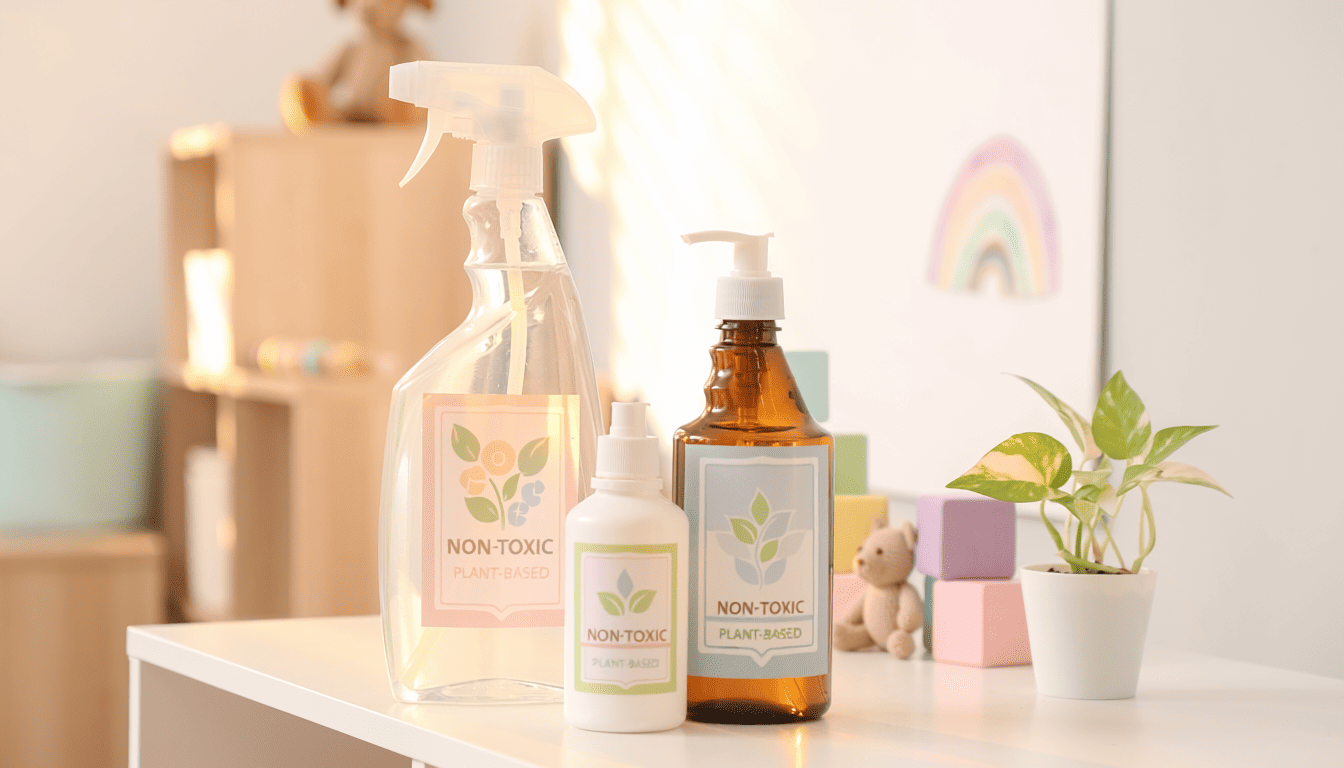
In the early learning sector, the definition of “clean” goes far beyond visual aesthetics. For a Centre Director, a clean room is not just one that looks tidy; it is one where the microbial load is managed without introducing chemical hazards. Children are not simply small adults. Their immune systems are developing, their respiratory rates are faster, and their metabolic pathways for processing toxins are immature. Weskleen Supplies understands that the chemicals used to mop a floor or wipe a high-chair tray have a direct physiological impact on the children interacting with those surfaces.
The challenge lies in balancing hospital-grade infection control, essential for preventing the spread of Gastroenteritis, Influenza, and Hand, Foot, and Mouth disease, with a toxicity profile safe enough for a toddler to lick. Selecting non-toxic childcare disinfectants is an operational necessity for any centre aiming to meet National Quality Standards while protecting the long-term health of its charges.
The Physiology of Vulnerability
Children breathe more air per kilogram of body weight than adults. This simple physiological fact means that airborne pollutants, including the Volatile Organic Compounds (VOCs) released by standard commercial cleaners, are inhaled at a higher relative dose by a three-year-old than by the cleaner using the product.
Exposure to harsh cleaning fumes, particularly from chlorine bleach or heavy synthetic fragrances, is a known trigger for childhood asthma. In a childcare setting where children spend 8 to 10 hours a day indoors, maintaining high Indoor Air Quality (IAQ) is critical. Using low-VOC, fragrance-free cleaning agents reduces the respiratory burden on the children and staff, creating a safer learning environment.
The “Hand-to-Mouth” Reality
The primary transmission route for illness in childcare is the “fecal-oral” route, but the primary exposure route for cleaning chemicals is ingestion via hand-to-mouth behaviour. Infants and toddlers explore their world by tasting it. They touch the floor, the table, and the toys, and then they put their hands in their mouths.
The Invisible Icing Analogy
Imagine every surface in your centre is coated in a thin layer of invisible icing. If a child touches a table with this icing and licks their finger, they eat the icing. Now replace “icing” with “chemical residue.” If you use a heavy-duty industrial degreaser on a lunch table and do not rinse it perfectly, that chemical residue remains. When a child eats a piece of fruit off that table, they ingest the chemical.
This reality necessitates the use of a food-grade surface sanitiser for all high-contact areas. These products are formulated to be safe even if incidental ingestion occurs, typically breaking down into harmless components like water and oxygen shortly after application.
Choosing the Right Chemistry
For decades, the childcare industry relied heavily on bleach and Quaternary Ammonium Compounds (Quats). While effective at killing bacteria, modern research suggests the collateral damage to health is too high for daily use in early learning.
Avoiding the “Big Two”: Quats and Bleach
Quats are excellent disinfectants but are known to bind to lung tissue and can induce asthma sensitisation. Chlorine bleach is a potent respiratory irritant and corrosive to skin and eyes. Furthermore, bleach has a short shelf life once diluted and is rendered ineffective by organic matter (like vomit or dirt).
We advocate for modern alternatives such as accelerated hydrogen peroxide or lactic acid-based formulations. These agents offer broad-spectrum efficacy against viruses and bacteria but degrade into non-toxic by-products. They provide the “kill power” required for outbreaks without the lingering toxicity profile.
Understanding Dwell Time
A common failure in sanitation protocols is the “spray and wipe” method. Most disinfectants require a specific “dwell time”, typically between 1 to 10 minutes, to actually kill the target pathogen. If a staff member sprays a table and wipes it dry instantly, they have cleaned the surface (removed dirt) but not disinfected it (killed germs). Non-toxic childcare disinfectants often have rapid kill times, but staff must still be trained to leave the surface wet for the required duration to ensure compliance.
The Nappy Change Zone: High-Risk Hygiene
The nappy change area is the epicentre of infection risk in any centre. It is also a confined space where staff often lean directly over the cleaning surface, and the child lies flat, face-up. Using high-VOC sprays here creates a “fume cloud” that both the educator and the child inhale directly.
The protocol must be rigorous but safe. Educators change dozens of nappies a day. If they spray a bleach-based cleaner between every change, the cumulative chemical load in that small area becomes toxic. Switching to a fragrance-free, oxidising cleaner eliminates this respiratory hazard while ensuring faecal pathogens are destroyed.
Mat Integrity and Bacteria Traps
Cleaning the mat is futile if the mat itself is compromised. Vinyl change mats eventually become brittle and crack from constant exposure to chemicals and body fluids. These microscopic cracks harbour bacteria that no amount of wiping can reach. Centre Directors must audit nappy change mat integrity weekly. If a mat shows signs of cracking or peeling, it must be replaced immediately, as it is no longer a cleanable surface.
Furthermore, consider the application method. Using squeeze bottles or pre-moistened wipes instead of trigger sprays reduces the amount of chemical aerosolised into the air, protecting the lung health of both the educator and the child.
Safe Toy Cleaning Protocols
Toys are the primary vectors for cross-infection. One child mouths a plastic block, another picks it up, and the cycle of illness continues. Cleaning toys is a logistical challenge due to the sheer volume involved, but it cannot be ignored.
The Immersion Method for Hard Toys
Manually wiping every single Lego brick or plastic animal is impossible. The most effective protocol for hard plastic toys is toy immersion sanitising. This involves filling a dedicated sink or tub with a solution of warm water and a safe, non-toxic sanitiser (such as a sodium percarbonate or hydrogen peroxide blend).
Toys are submerged for the required dwell time (usually 10-15 minutes), allowing the liquid to penetrate crevices that wipes miss. They are then drained and air-dried on clean racks. This bulk-cleaning method is highly efficient and ensures uniform disinfection. Crucially, because the chemical used degrades into water and oxygen, there is no need for a secondary rinse, provided the correct dilution is used.
Soft Toy and Book Hygiene
Plush toys and dress-up clothes act as fomites, trapping bacteria and bodily fluids in their fibres. These should be placed on a strict rotation schedule. Items are used for a week, then bagged and laundered in a washing machine using a hypoallergenic laundry detergent at a temperature of at least 60°C to kill dust mites and bacteria.
Board books present a unique challenge as they cannot be soaked. These should be wiped down daily with a slightly damp microfibre cloth misted with a food-grade sanitiser. Using UV-C sterilisation boxes is another chemical-free option gaining popularity for electronics and delicate books.
Food Prep and Allergen Control
In the centre’s kitchen and dining areas, the stakes are doubled: you must manage pathogens (like Salmonella) and allergens (like nuts, egg, or dairy).
Preventing Allergen Cross-Contamination
A “clean” surface might still be deadly if it holds invisible peanut protein. Standard cleaners remove dirt, but they do not necessarily neutralise allergen proteins. The mechanical action of cleaning is vital here. Using dedicated, colour-coded microfibre cloths for allergen-free zones is non-negotiable.
For example, a Green cloth is for general food prep. A White cloth might be designated strictly for “Free-From” meal preparation areas. This visual distinction prevents a well-meaning educator from wiping a milky spill and then wiping the tray of a dairy-allergic child.
Chemical Residue on High Chairs
High chair trays are essentially plates for toddlers. They often eat food directly off the tray surface. If these trays are cleaned with heavy-duty degreasers, the ingestion risk is significant. We strongly recommend using a certified food-grade surface sanitiser that requires no rinsing. This ensures that when a toddler licks the tray, they are not ingesting industrial surfactants.
Outdoor Play and Sandpit Hygiene
Hygiene does not stop at the sliding door. Outdoor play equipment and sandpits are often overlooked in cleaning schedules, yet they are prime breeding grounds for bacteria and parasites (from birds or cats).
Sandpit Hygiene Protocols
Sandpits require daily maintenance. The sand must be raked every morning to remove debris and expose the lower layers to sunlight (UV radiation), which acts as a natural disinfectant. However, raking is not enough if an animal has soiled the area.
Centres should use a sandpit sanitiser spray, typically a specialised quaternary compound that is safe for soil contact, to treat the sand periodically. The sand should be turned over regularly, and covered securely every night to prevent animal access.
Climbing Equipment
Outdoor plastic and metal climbing frames can harbour grime and bird droppings. Cleaning these with harsh detergents is problematic because the runoff goes directly into the soil or stormwater. Using a biodegradable, phosphate-free pressure washer detergent allows for effective cleaning without harming the centre’s garden or the wider environment.
Mechanical Sanitation and Equipment
Chemicals are not the only weapon in the fight against germs. Mechanical disinfection, using heat or physical removal, is often superior because it leaves zero residue.
Steam cleaning equipment is invaluable in an early learning setting. Steam, applied at temperatures above 100°C, kills bacteria, viruses, and dust mites instantly. It is particularly effective for soft furnishings, rugs, and sleeping mats where chemical sprays are inappropriate.
For carpets, using a high-quality extraction machine like the Steamvac HP Auto 2 Carpet Steamer allows for deep cleaning of vomit or spillages without leaving the carpet sodden. Quick drying times are essential to prevent mould growth and to get the room back in operation.
Operational Protocols for Safety
Even the safest chemicals can be dangerous if used incorrectly. Infection control relies on strict processes to prevent the physical transfer of germs from the nappy change area to the food preparation area.
Preventing Cross-Contamination
Implementing a rigorous system of colour-coded microfibre cloths is mandatory.
- Red: Toilets and nappy change areas.
- Blue: General learning areas and glass.
- Green: Kitchen and food service.
- Yellow: Infectious clean-up.
Using high-quality microfibre is essential. A cheap cloth smears bacteria around; a quality cloth traps it. We recommend using products like the Enduro Microfibre Mop Head for floors, as it removes 99% of bacteria with water alone, reducing the chemical load required on the largest surface in the room, the floor where the babies crawl.
Staff Health: The Forgotten Metric
While the focus is rightly on the children, we must not overlook the educators. Staff in childcare centres have some of the highest rates of occupational contact dermatitis prevention needs in any industry. They are constantly washing hands, wearing gloves, and handling chemicals.
harsh chemicals strip the natural oils from educators’ hands, leading to cracked, painful skin. This is not just a welfare issue; it is an infection control issue. Damaged skin harbours more bacteria and makes hand hygiene painful, leading to lower compliance.
Switching to non-toxic, pH-neutral cleaners protects staff skin integrity. Additionally, providing high-quality, powder-free nitrile gloves reduces the risk of latex allergies and chemical irritation. Protecting your staff’s health directly correlates to better hygiene practices and lower absenteeism.
Communicating Safety to Parents
In a competitive market, hygiene standards are a powerful differentiator. Parents are increasingly chemically conscious. They check ingredients on baby wipes and organic food; they will appreciate a centre that applies the same rigour to its cleaning products.
Don’t hide your cleaning protocols, market them. Explain to touring parents that your centre smells fresh, not like “bleach and pine,” because you use advanced oxygen-based cleaning technology. Tell them about your toy immersion sanitising routines and your commitment to low-VOC air quality.
When parents understand that you have invested in non-toxic childcare disinfectants to protect their child’s developing lungs and immune system, it builds immense trust. It transforms “cleaning” from a background chore into a visible duty of care.
Compliance and Documentation
Under the National Quality Framework (NQF), centres must maintain a safe environment. This includes having a current chemical safety data sheet (SDS) for every substance on the premises. These documents must be accessible to all staff, not locked in the director’s office.
Take the example of “Little Explorers” (name changed), a centre that struggled with recurring outbreaks of Hand, Foot, and Mouth disease. The director, Jessica, was using a generic supermarket disinfectant that smelled strong but had no proven efficacy against non-enveloped viruses. After an audit, we switched the centre to a hospital-grade, non-toxic oxidative cleaner and implemented a steam cleaning schedule for the rugs. The outbreaks stopped, and the “chemical smell” complaint from parents vanished.
If you are unsure whether your current cleaning register meets the delicate balance of safety and efficacy, contact us today. Our team can help you build a compliant, safe hygiene strategy that protects the little ones in your care.