


Blog
Childcare Centre Cleaning Supplies Checklist 2026

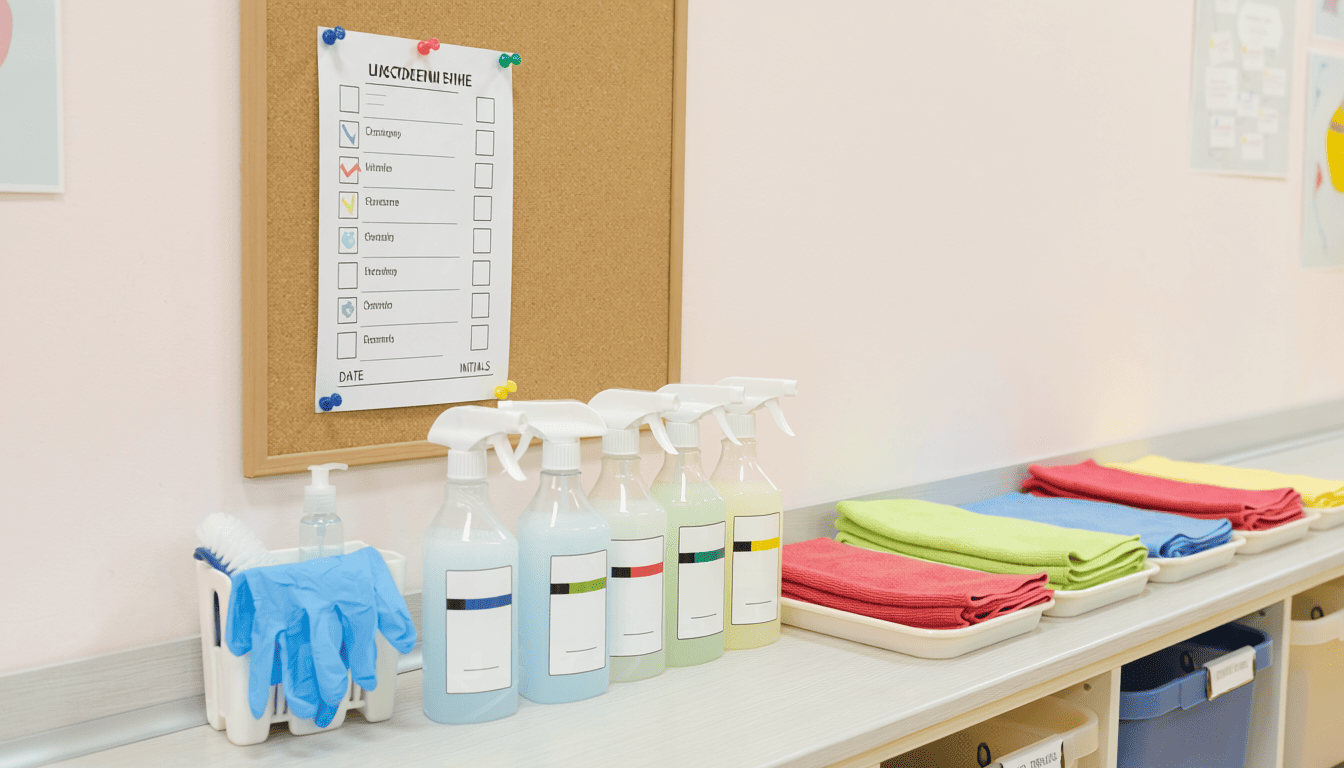
Running a childcare centre involves a constant balancing act between maintaining hospital-grade hygiene and creating a warm, homely environment where children can explore safely. By 2026, the expectations for infection control in early learning settings have evolved significantly. Parents and regulators no longer just expect a facility to look clean; they demand proof that the environment actively prevents the spread of illness while remaining free from harsh chemical residues.
The challenge lies in the nature of the occupants. Children spend their days crawling on floors, putting toys in their mouths, and touching every conceivable surface. This reality means your inventory of childcare cleaning supplies must be carefully curated to destroy pathogens without introducing toxins that could trigger asthma, allergies, or skin irritation.
At Weskleen Supplies, we have spent over a decade helping facility managers fine-tune this balance. We have seen firsthand that the right checklist does more than just pass audits; it reduces staff sick days, protects children, and reassures anxious parents.
The Evolution of Childcare Hygiene Standards
Ten years ago, a bucket of bleach and a cotton mop were standard issue in many centres. Today, that approach is considered negligent. Modern standards prioritise non-toxic cleaning products and mechanical cleaning methods that remove dirt physically rather than just chemically treating it.
Think of your cleaning protocol like a traffic light system. Red zones (toilets, nappy change) require heavy-duty disinfection. Amber zones (food prep) need food-safe sanitisation. Green zones (play areas) need thorough cleaning with mild detergents. If you treat a Green zone with Red zone chemicals, you are exposing children to unnecessary hazards. If you treat a Red zone with Green zone products, you are inviting a gastro outbreak.
Essential Chemical Solutions for Safe Environments
The chemicals you choose form the foundation of your hygiene strategy. In 2026, the focus is strictly on efficacy without toxicity.
Daily Surface Cleaners
For general cleaning of tables, chairs, and shelving, you need a product that cuts through sticky fingers and paint spills without leaving a chemical film. We strongly advocate for pH-neutral multipurpose cleaners. These solutions clean effectively without damaging surfaces or requiring heavy rinsing.
Mr. Bean 5L All-Purpose Cleaner is a staple in many centres we supply. Its formula is robust enough for commercial use but uses a naturally derived scent that doesn’t trigger the “chemical headache” complaint common with synthetic fragrances. It cleans the mess and leaves a familiar, comforting aroma rather than a sterile hospital smell.
Sanitisation and Disinfection
Cleaning removes dirt; sanitising kills germs. You cannot sanitise a dirty surface, which is why a two-step process, or a high-quality 2-in-1 product, is vital.
For sanitising high-touch surfaces like door handles, tapware, and light switches, a foaming product is superior to a spray. Sprays create airborne mist that can be inhaled by children or staff. A foaming nozzle applies the chemical exactly where it is needed. Comet Foaming Cleaner & Sanitiser offers hospital-grade disinfection power but stays localised to the surface you are wiping, reducing inhalation risks significantly.
Equipment That Prioritises Safety and Efficiency
Your chemical selection is only as good as the tools you use to apply it. In a childcare setting, equipment needs to be quiet, efficient, and safe.
Cordless Technology
Trip hazards are a massive liability in childcare. Trailing cords from vacuum cleaners during operating hours are a recipe for disaster. By 2026, most top-tier centres have switched to battery-operated backpacks.
The Pacvac Superpro 700 Battery Kit is a game-changer for early learning environments. It allows staff to perform spot cleans quickly after lunch or craft activities without unwinding cables or searching for power points. The HEPA filtration is non-negotiable, it traps allergens and dust mites rather than recirculating them into the air, protecting children with respiratory conditions.
Microfibre and Mops
The old cotton string mop is a bacterial breeding ground. Modern childcare cleaning supplies lists must include high-quality microfibre flat mops.
The Enduro Microfibre Mop Head uses microscopic fibres to physically hook and lift bacteria from floor pores. Because these heads are easily detachable, they can be laundered at high temperatures after each use. This breaks the chain of infection in a way that rinsing a cotton mop in a bucket never can.
The Vital Role of Colour-Coding
We cannot talk about childcare hygiene without addressing colour-coded cleaning. This is the single most effective administrative control you can implement to stop cross-contamination.
I recall a centre in Fremantle that struggled with recurring bouts of conjunctivitis (pink eye) for months. They were cleaning diligently, but they were using the same yellow cloths for the bathroom sinks and the play area tables. The bacteria were simply taking a ride on the cloth from the toilet block to the toy room. We implemented a strict colour-coding system, Red for washrooms, Blue for general areas, Green for kitchens, Yellow for infectious cleans, and the outbreaks stopped within two weeks.
Your checklist must explicitly separate:
- Red: Toilets, nappy change mats, bathroom floors.
- Blue: General dusting, window ledges, low-risk surfaces.
- Green: Kitchen benches, food trolleys, dining tables.
- Yellow: Isolation areas or cleaning up bodily fluids.
The Ultimate Room-by-Room Supply Checklist
Nappy Change and Toileting Areas
This is your highest risk zone for enteric pathogens like Norovirus and E. coli.
- Supplies needed:
- Sporicidal disinfectant (essential for gastro outbreaks).
- Disposable gloves (latex-free).
- Single-use paper towels (cloths should not be used on change mats).
- Hands-free waste bins.
- Liquid soap dispensers (never bar soap).
Kitchen and Food Preparation Zones
- Supplies needed:
- Food-grade sanitiser (must dry safe for food contact).
- Heavy-duty scourers for pots (kept separate from other cleaning tools).
- Dishwasher liquid and rinse aid.
- Paper towel for hand drying (tea towels harbour bacteria).
Play and Sleep Areas
- Supplies needed:
- Neutral detergent for hard toys (soak tanks).
- Fabric disinfectant for soft furnishings.
- Carpet spot cleaner (enzyme-based for organic spills).
- Dust control mops for hard floors.
Laundry and Soft Furnishings
The laundry room is often the forgotten vector for infection. In a busy centre, bibs, sheets, blankets, and dress-up clothes accumulate rapidly. If not managed correctly, these items become transit vehicles for lice, ringworm, and other contact-transmissible issues.
- Supplies needed:
- Laundry Destainer/Sanitiser: A standard detergent often isn’t enough for biological soiling. You need a product that sanitises at lower temperatures, as many modern fabrics cannot withstand the 65°C+ needed for thermal disinfection.
- Dissolvable Laundry Bags: For handling heavily soiled or infectious items (like bedding from a sick child), dissolvable bags allow staff to place the item directly into the machine without touching it again.
- Clean/Dirty Separation Baskets: Clearly marked, colour-coded baskets to prevent clean sheets from being placed on surfaces where dirty bibs were just sorted.
Outdoor Play and Sandpits
Outdoor areas are integral to the curriculum but present unique hygiene challenges. Sandpits, in particular, can harbour animal faeces, parasites, and bacteria if not maintained.
- Supplies needed:
- Sandpit Rake and Sanitiser: Daily raking exposes anaerobic bacteria to air and sunlight. Periodic treatment with a specialised sand sanitiser (safe for skin contact) ensures the play medium remains safe.
- Outdoor Equipment Wash: Climbing frames and plastic cubby houses need regular scrubbing to remove bird droppings and grime. A pressure washer attachment for your hose, combined with a biodegradable detergent, makes this efficient.
- Pest Control Safe for Kids: Non-toxic barriers or traps for ants and wasps that do not rely on aerosol poisons.
Managing Outbreaks and Spills
Accidents happen daily in childcare, from toileting mishaps to sudden illness. Every room needs immediate access to a spill response kit.
This kit is distinct from your daily childcare cleaning supplies. It should be a sealed box containing:
- Absorbent granules (to solidify vomit or urine immediately).
- Disposable scoop and scraper.
- Clinical waste bags (yellow).
- Apron and eye protection.
- Virucidal disinfectant concentrate.
When a spill occurs, speed is safety. Having these items pre-packed prevents staff from running to the supply closet while leaving a hazard unattended.
For major outbreaks, like a confirmed case of Hand, Foot, and Mouth disease, you need to escalate your protocols. This involves switching from your standard daily neutral cleaner to a TGA-listed hospital-grade disinfectant for all surfaces until the outbreak is declared over.
Sustainability in 2026: Reducing Waste
Sustainability is no longer just a “nice to have”; it is an operational expectation for modern childcare centres. Parents are increasingly asking about the environmental footprint of the facilities they choose.
We are seeing a massive shift away from single-use plastic bottles. Smart centres are adopting:
- Concentrate Systems: Instead of buying 50 spray bottles, you buy one drum of concentrate and refill reusable, colour-coded bottles. This reduces plastic waste by over 90%.
- Biodegradable Consumables: Bamboo-based wipes and unbleached paper towels that break down rapidly in landfill.
- Energy-Efficient Equipment: Battery technology has improved to the point where equipment like the Pacvac Superpro 700 runs longer on a single charge, reducing energy consumption compared to older, inefficient corded models.
Storage and Safety Compliance
By 2026, regulations around chemical accessibility are stricter than ever. All chemicals must be stored in a locked cupboard or room that is inaccessible to children.
However, “locked away” doesn’t mean “hard to use.” We recommend installing dilution control systems where possible. These units mount to the wall and dispense the exact ratio of chemical to water. This prevents staff from “glugging” concentrate into a bucket, which is dangerous, expensive, and leaves sticky residue on floors that attracts more dirt.
Ensure every spray bottle is clearly labelled. In the chaos of a busy centre, a bottle of water looks exactly like a bottle of bleach. Proper labelling, paired with Safety Data Sheets (SDS) kept in a known location (often digitally accessible via QR code in modern supply closets), is a legal requirement.
Conclusion
Building a robust inventory of childcare cleaning supplies is an investment in your centre’s reputation and operational stability. Parents are more hygiene-conscious than ever, and they notice the details, the smell of the room, the state of the floors, and the cleanliness of the toys their children put in their mouths.
By moving away from harsh chemicals toward non-toxic cleaning products, embracing cordless technology, strictly enforcing colour-coded cleaning, and managing high-risk zones like laundries and sandpits with precision, you create an environment that is not just visibly clean, but clinically safe.
If you are reviewing your current protocols or preparing for a quality assessment, the team at Weskleen Supplies is ready to assist. Contact us to discuss a tailored supply list that meets the specific needs of your centre and the children in your care.