


Blog
Community Cleaning Initiatives: How Local Groups Are Transforming WA Spaces

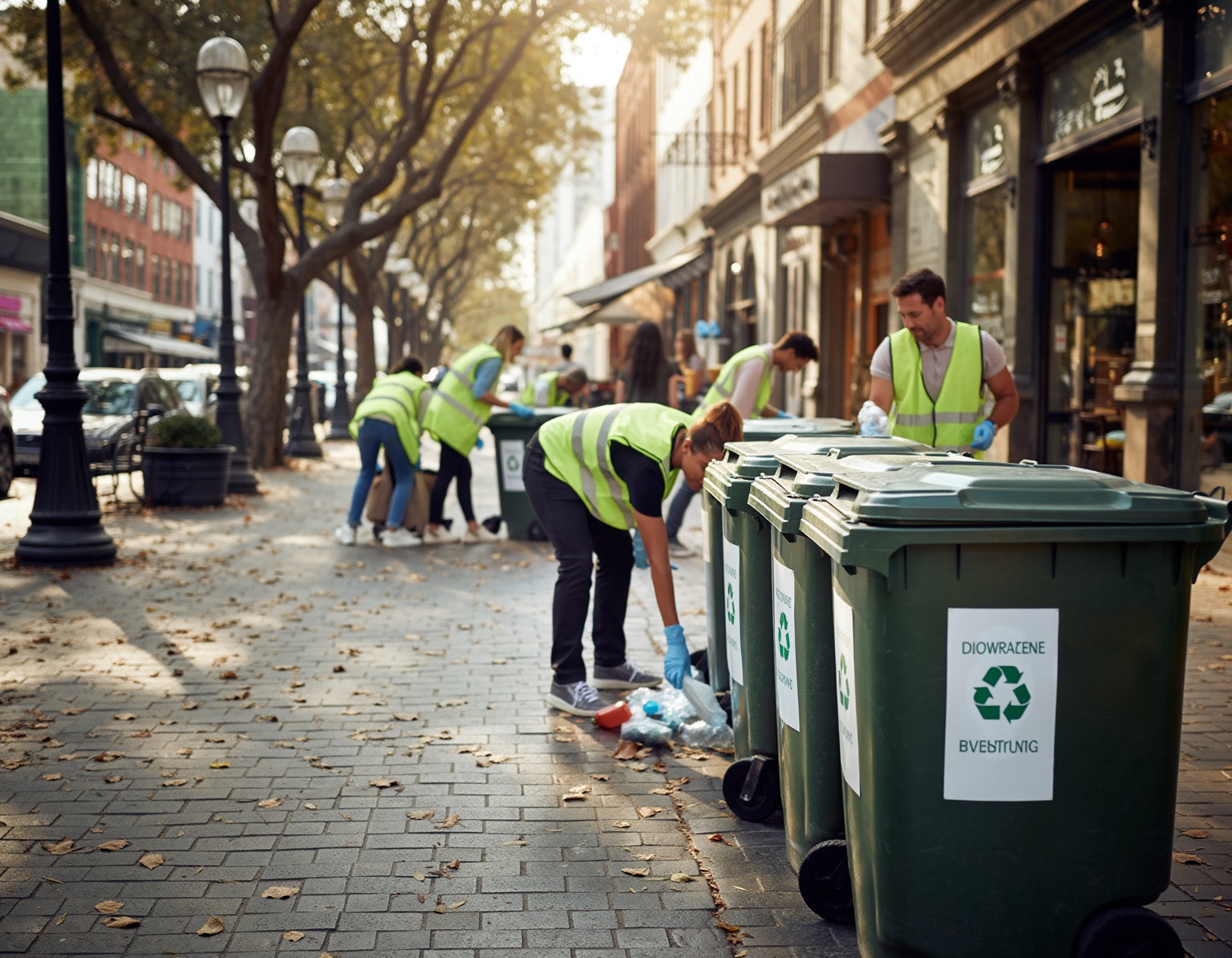
Across Western Australia, volunteer groups are reshaping public spaces through organised community cleaning initiatives WA has seen flourishing in recent years. These aren’t token gestures – they’re sustained efforts producing measurable improvements in parks, beaches, bushland, and urban areas.
What distinguishes successful initiatives from well-intentioned failures? The groups achieving real impact combine community enthusiasm with professional-grade equipment, proper volunteer safety protocols, and systematic approaches borrowed from commercial cleaning operations.
Understanding how these initiatives work reveals lessons applicable far beyond volunteer contexts. Think of community cleaning like a neighbourhood watch for the environment – when organised groups take ownership, problems get addressed before they become overwhelming. The principles of efficient cleaning, proper equipment selection, and sustainable maintenance apply whether you’re coordinating a beach cleanup or managing a commercial facility.
The Scope of Community Cleaning in WA
Western Australia’s vast geography creates unique cleaning challenges. The state encompasses:
- Over 20,000 kilometres of coastline requiring regular debris removal
- Extensive urban parklands across Perth’s sprawling metropolitan area
- Bushland reserves threatened by illegal dumping and litter accumulation
- Town centres and commercial precincts where council resources stretch thin
Community groups have emerged to address gaps that government resources can’t fill. Keep Australia Beautiful Council WA coordinates over 400 registered volunteer groups. Collectively, these groups remove hundreds of tonnes of waste annually.
The impact extends beyond aesthetics. Clean environments reduce wildlife mortality, prevent microplastic accumulation, and improve public health outcomes. Communities with active cleaning initiatives report higher property values and increased recreational usage of public spaces.
A Scarborough-based group demonstrated this transformation. When they began monthly beach cleanups in 2018, their target stretch regularly accumulated 50-60 kilograms of debris between sessions. After two years of consistent effort combined with community education, monthly collection dropped to under 10 kilograms. The beach’s usage increased noticeably, and local businesses reported improved customer traffic.
What Makes Initiatives Succeed
Successful community cleaning initiatives WA share common characteristics. Understanding these factors helps groups maximise their impact while avoiding common pitfalls.
Professional-grade equipment matters – Volunteer enthusiasm can’t compensate for inadequate tools. Groups using household-quality equipment struggle with efficiency and volunteer fatigue. Those equipped with commercial-grade tools achieve more in less time, improving volunteer satisfaction and retention.
The difference becomes apparent during extended sessions. A basic dustpan and broom might suffice for the first hour, but professional equipment maintains efficiency throughout longer events. The Medusa Battery-Powered Sweeper, for example, allows volunteers to cover larger areas without the physical strain of manual sweeping.
Systematic approaches outperform random effort – Successful groups using adopted area maintenance divide their zones into sectors, assign responsibilities, and track results. This prevents the common problem of volunteers clustering in visible areas while neglected zones remain untouched.
Documentation matters too. Groups that photograph before and after conditions, weigh collected waste, and record volunteer hours can demonstrate impact to potential sponsors and council partners.
Safety protocols protect volunteers and organisations – Without proper safety measures, community cleaning exposes volunteers to injury and organisations to liability. Successful groups implement:
- Mandatory safety briefings before each event
- Personal protective equipment requirements
- Hazardous material handling procedures
- First aid capability on-site
- Insurance coverage for volunteer activities
Training creates skilled volunteers – Groups investing in proper training achieve better results. Understanding which cleaning approaches work for different surfaces and conditions prevents damage while improving outcomes.
Equipment Selection for Community Initiatives
The equipment choices that work for commercial operations often suit community initiatives, though scale and budget considerations differ.
Sweeping and dust control – Urban cleanup events benefit enormously from powered sweeping equipment. Manual sweeping tires volunteers quickly and covers ground slowly. Battery-powered sweepers designed for commercial use handle paved areas efficiently, allowing volunteers to focus energy on tasks requiring manual attention.
The portability matters for community groups. Equipment that can be transported in volunteer vehicles and deployed without infrastructure expands the range of sites accessible for cleanup events.
Litter collection and handling – Simple but robust collection systems improve volunteer efficiency. Quality litter pickers, heavy-duty collection bags, and organised sorting stations accelerate waste handling. Groups using proper systems report collecting 30-40% more material in the same timeframe compared to ad-hoc approaches.
Hard surface cleaning – Graffiti removal, stain treatment, and surface washing require appropriate chemicals and equipment. Community groups partnering with commercial suppliers can access professional products designed for specific challenges.
Products like the Goof Off Adhesive Remover handle sticker and adhesive residue that mars public infrastructure. Proper degreasers address oil stains on pathways and parking areas.
Green space maintenance – Parks and reserves require different equipment. Rake systems, debris bags, and sometimes powered equipment for larger organic matter help volunteers manage bushland and garden areas effectively.
Beach and coastal cleaning – Coastal cleanups present unique challenges. Sand makes wheeled equipment impractical for beach zones, but access paths and car parks benefit from standard cleanup approaches. Proper sifting equipment helps separate microplastics from sand without removing natural materials.
Case Study: Fremantle Foreshore Restoration
The Fremantle Foreshore Care Group illustrates how community initiatives can achieve professional-grade results. Formed in 2016, the group addresses a 3-kilometre stretch of coastline facing significant litter pressure.
Initial challenges included limited funding, inconsistent volunteer turnout, and equipment inadequate for the task. Their first year saw minimal progress despite substantial effort.
The transformation came through partnership development. Local businesses provided equipment support, including commercial-grade cleaning supplies. Weskleen Supplies contributed product guidance and equipment recommendations suited to the group’s specific challenges.
Key changes included:
- Equipment upgrade – Professional tools replaced household items
- Scheduled consistency – Moving from sporadic events to fixed monthly sessions
- Sector mapping – Dividing the foreshore into zones with assigned teams
- Data tracking – Recording collection volumes, types, and locations
- Community education – Adding prevention messaging to cleanup efforts
Results after implementing these changes showed dramatic improvement. The group now removes less material per session because less accumulates – a sign of genuine environmental improvement rather than just effective collection.
Volunteer hours became more productive. With proper equipment, the same number of volunteers cover more ground and report higher satisfaction. Volunteer retention improved significantly once participants saw their efforts producing lasting results.
Beach and Coastal Cleanup Strategies
WA’s extensive coastline makes beach cleaning a major focus for community initiatives. Effective coastal cleanup requires understanding the unique challenges these environments present.
Debris sources and types – Beach litter comes from multiple sources:
- Direct beachgoer littering (packaging, bottles, recreational items)
- Storm drain discharge from urban areas
- Marine debris washed ashore (fishing equipment, international shipping)
- Wind-blown litter from adjacent areas
Each source suggests different prevention and collection strategies. Groups using waste composition tracking can target upstream interventions rather than just downstream collection.
Microplastic challenges – Visible litter represents only part of the problem. Microplastics – fragments smaller than 5mm – accumulate in sand and pose significant ecological risks. Effective beach cleanup addresses both visible debris and microplastic accumulation.
Specialised sifting equipment separates microplastics from sand without stripping beaches of natural materials. Some groups have developed custom solutions; others partner with environmental organisations providing specialised tools.
Timing considerations – Beach cleanup timing affects efficiency. Early morning sessions before daily beachgoer activity captures overnight accumulation and storm debris. Low tide periods expose areas normally underwater, accessing debris trapped in intertidal zones.
Seasonal patterns matter too. WA’s winter storms deposit substantial debris, making post-storm cleanup particularly productive. Summer brings increased visitor litter but calmer conditions that reduce storm debris.
Wildlife considerations – Coastal cleanup must account for wildlife impacts. Nesting shorebirds, marine mammals hauling out on beaches, and dune vegetation all require protection. Successful groups coordinate with wildlife authorities and avoid sensitive areas during critical periods.
Urban Cleanup Approaches
City and suburban environments present different challenges than natural areas. Urban cleanup initiatives address:
Commercial precinct maintenance – Retail and hospitality areas generate substantial litter. Community groups supporting council maintenance in these areas improve business district presentation and reduce council costs.
Early morning sessions before business hours prove most effective. Groups removing overnight accumulation help businesses open to clean frontages without dedicated staff time.
Equipment suited for urban environments includes portable sweepers for paved areas, graffiti removal supplies, and organised waste handling systems. The Polystar Orbital Floor Scrubber handles heavily soiled areas that manual cleaning struggles with.
Park and reserve care – Urban parks face continuous use pressure. Community groups using adopted area maintenance approaches to supplement council resources can focus on areas receiving less attention – edges, bushland buffers, and infrastructure like benches and shelters.
Regular small-scale maintenance often achieves more than occasional intensive events. Groups meeting weekly for short sessions maintain consistent standards more effectively than monthly marathon cleanups.
Stormwater infrastructure – Drain entrances and stormwater channels accumulate substantial debris. Cleaning these areas prevents material reaching waterways while the cleanup effort remains manageable.
Groups working on stormwater infrastructure should coordinate with local councils regarding access, safety requirements, and disposal arrangements for collected material.
Illegal dumping response – Illegal dumping affects urban fringe areas and bushland reserves. Community groups often identify dumping sites before council inspectors and can report locations for official removal.
Some groups document dumping patterns to help councils target enforcement. Consistent monitoring and reporting can reduce dumping frequency in affected areas.
Building Sustainable Initiatives
Many community cleaning initiatives WA has launched start enthusiastically but fade within months. Understanding what sustains successful groups helps new initiatives avoid common failure patterns.
Core volunteer development – Successful groups invest in developing a core team of reliable volunteers. These individuals receive additional training, take on coordination responsibilities, and provide continuity between events.
Relying entirely on casual volunteers creates fragility. When key organisers are unavailable, events may not happen. A developed core team ensures continuity.
Partnership cultivation – Relationships with councils, businesses, and established organisations provide resources, legitimacy, and support. Groups operating in isolation typically achieve less than those embedded in community networks.
Council partnerships can provide insurance coverage, waste disposal support, and equipment loans. Business sponsorships fund equipment purchases and event costs. Environmental organisation connections bring expertise and volunteers.
Recognition and motivation – Volunteers need acknowledgment. Successful groups celebrate achievements, recognise regular contributors, and share impact data demonstrating that efforts produce results.
Social elements matter too. Groups that include refreshments, social time, and community building retain volunteers better than those treating events as purely functional work sessions.
Manageable scope – Groups attempting too much burn out volunteers and organisers. Starting with achievable targets and expanding gradually produces better long-term results than ambitious initial programs that prove unsustainable.
A Rockingham group learned this lesson. Their initial plan covered a 10-kilometre coastal stretch with monthly events. Volunteer fatigue and logistics challenges meant inconsistent coverage and declining participation. Refocusing on a 2-kilometre core area with quarterly expansion reviews produced sustainable results and growing volunteer engagement.
Safety and Liability Management
Community cleaning activities create safety and liability considerations that responsible groups must address.
Volunteer safety protocols must address common hazards including:
- Sharp objects (glass, metal, syringes)
- Heavy lifting injuries
- Heat exposure during summer events
- Trips and falls on uneven terrain
- Insect stings and bites in bushland
- Traffic risks on roadside sites
Proper safety briefings, appropriate PPE provision, and trained first aid capacity address most risks. Groups should establish clear protocols for hazard identification and escalation.
The Pacvac Superpro 700 Backpack Vacuum and similar professional equipment includes safety features often absent from consumer alternatives.
Hazardous material protocols – Cleanup activities occasionally encounter hazardous materials – fuel containers, chemical drums, asbestos fragments, and drug-related items. Groups need clear protocols for identifying, isolating, and reporting such finds rather than handling them.
Most councils provide guidance on hazardous material reporting. Establishing these protocols before encountering a hazardous item prevents dangerous improvisation.
Insurance considerations – Volunteer activities require appropriate insurance coverage. Many groups operate under council or parent organisation policies, but independent groups need their own coverage.
Insurance typically requires documented safety procedures, trained supervision, and proper equipment. Groups operating without coverage expose organisers to significant personal liability.
Working with Local Government
Council relationships can significantly enhance community cleaning initiatives. Understanding how to work effectively with local government maximises support opportunities.
Accessing council resources – Many councils provide:
- Waste disposal at no charge for organised cleanup events
- Equipment loans (bins, collection tools, safety gear)
- Promotional support through council channels
- Insurance coverage for registered volunteer activities
- Coordination with council works crews
Accessing these resources typically requires registration, event notification, and sometimes formal agreements. Building relationships with relevant council staff smooths these processes.
Aligning with council priorities – Councils have their own maintenance priorities and improvement projects. Community groups aligning their efforts with council objectives often receive stronger support.
Regular communication helps identify alignment opportunities. A group might focus on areas council resources can’t reach frequently, or tackle projects that would otherwise wait in the council queue.
Reporting and feedback – Councils appreciate information about community conditions. Groups that systematically report issues – damaged infrastructure, graffiti, dumping sites – provide valuable intelligence while building relationships.
Some councils have established reporting channels; others respond well to direct contact with relevant officers. Finding the right communication pathway improves response effectiveness.
Environmental Impact Measurement
Demonstrating environmental impact helps sustain community initiatives by validating volunteer efforts and supporting funding applications.
Data collection approaches – Effective waste composition tracking helps groups measure impact:
- Waste volumes collected (by weight or estimate)
- Waste composition (categories and proportions)
- Volunteer hours contributed
- Area covered per session
- Trend data over time
Consistent methodology matters more than precision. Groups using the same approach across sessions can demonstrate trends even if absolute measurements aren’t perfectly accurate.
Beyond weight and volume – Environmental impact extends beyond waste removal volumes. Consider tracking:
- Visible improvement in site condition (photographic documentation)
- Wildlife observations (species presence, nesting success)
- Water quality improvements (for groups working on waterways)
- Community feedback and usage patterns
Reporting impact – Sharing results with stakeholders – council partners, sponsors, community members – builds support and motivation. Annual reports summarising achievements help secure ongoing resources.
Social media documentation reaches broad audiences. Before and after photos demonstrating transformation generate engagement and attract new volunteers.
The Equipment Question: Buy, Borrow, or Partner
Community groups face equipment decisions with limited budgets. Understanding options helps groups optimise resources.
Purchasing equipment – Groups conducting frequent events may benefit from owning core equipment. Quality commercial tools last years with proper maintenance, making the per-event cost reasonable for active groups.
Start with essential items that significantly impact efficiency. Manual equipment often suffices for occasional events, with powered equipment becoming valuable as activity increases.
Equipment like Mr. Bean All-Purpose Cleaner and similar consumables need regular replenishment. Establishing supplier relationships with appropriate pricing makes ongoing operations sustainable.
Council equipment loans – Many councils loan equipment for community events. This reduces capital requirements but may limit scheduling flexibility if popular items are frequently booked.
Understanding what’s available from council resources helps groups focus purchases on items not otherwise accessible.
Business partnerships – Local businesses sometimes provide equipment support – loans, donations, or discounted purchases. Approaching businesses whose products or services align with cleanup activities often yields positive responses.
Weskleen Supplies has supported WA community groups with equipment advice, product recommendations, and supply arrangements suited to volunteer organisation needs. Contact us to discuss how we can support your initiative.
Shared resources – Some communities establish shared equipment pools accessible to multiple groups. This approach maximises utilisation while spreading costs across organisations.
Getting Started with a Community Initiative
For those considering starting a community cleaning initiative, several steps increase chances of success.
Research existing activity – Before starting new, investigate what already exists. Connecting with established groups may prove more effective than duplicating efforts. Keep Australia Beautiful Council WA maintains registers of active groups.
Start small – Initial events should be manageable with available resources. Success builds capacity for expansion; early failures discourage future participation.
Build partnerships early – Approaching potential partners before launching improves support availability. Council registration, business sponsors, and established organisation connections take time to develop.
Document from the beginning – Photographing initial conditions establishes baselines for demonstrating improvement. Recording volunteer hours and waste volumes from the first event builds useful trend data.
Focus on sustainability – Design for long-term operation rather than one-off events. Recruit core team members, establish regular schedules, and create systems that don’t depend on single individuals.
The Broader Impact
Community cleaning initiatives contribute beyond their immediate environmental outcomes. They build social capital, develop community capacity, and demonstrate collective action possibilities.
Participants often carry lessons into other contexts. Understanding efficient cleaning approaches, equipment selection, and systematic problem-solving applies to home, workplace, and other community activities.
The visible transformation of public spaces demonstrates what organised community effort can achieve. This inspires action on other challenges and builds confidence in collective problem-solving.
For Weskleen Supplies, supporting community cleaning initiatives reflects our broader commitment to clean environments across WA. Professional cleaning equipment and expertise shouldn’t be accessible only to commercial operations – community groups tackling public spaces deserve quality tools too.
Whether your initiative targets beaches, parks, urban areas, or bushland, proper equipment and systematic approaches multiply volunteer impact. The principles that make commercial cleaning effective apply equally to community contexts.