


Blog
Essential Maintenance and Troubleshooting for SteamVac Carpet Extractors

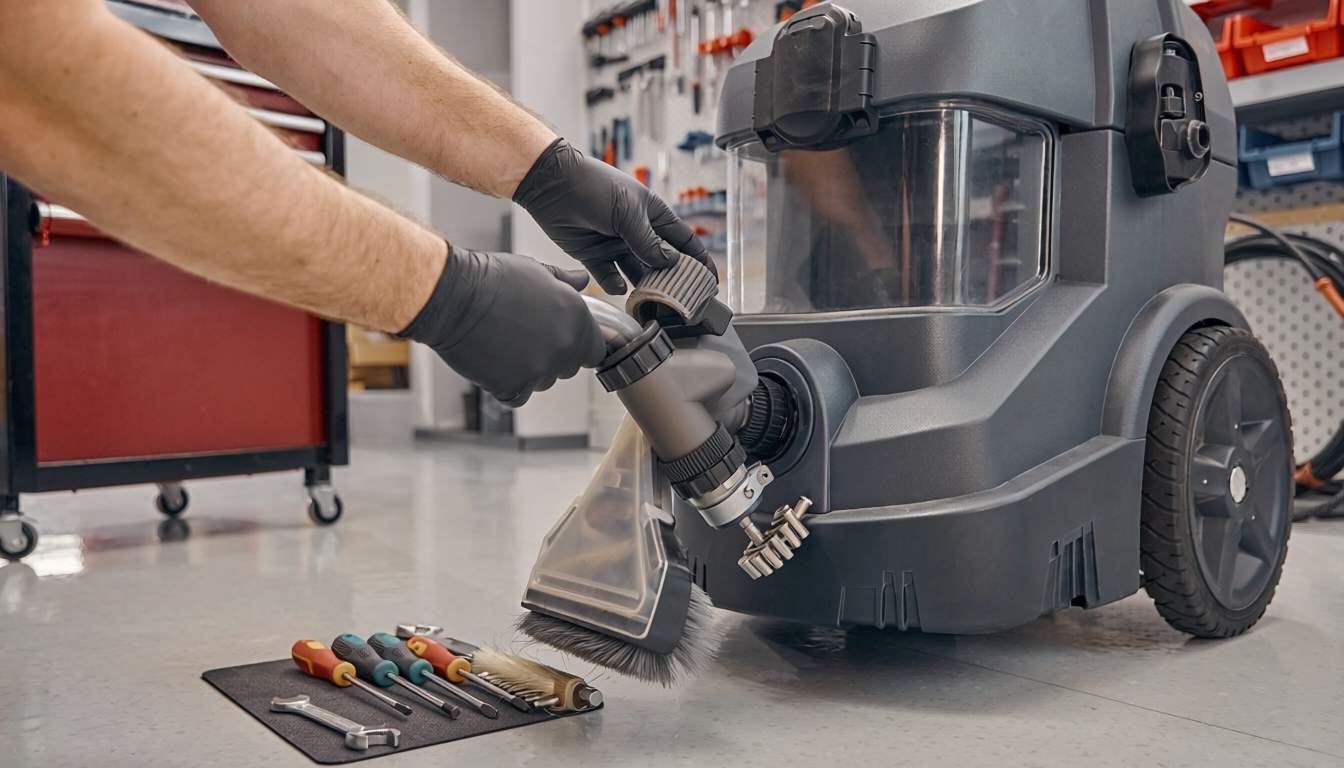
Carpet extractors are workhorses that demand consistent care. Most common issues with SteamVac carpet extractors stem from preventable problems: clogged spray jets, worn seals, or simple user error during setup. Understanding these failure points before they occur is what separates operators who enjoy reliable performance from those who face constant breakdowns.
Proper maintenance transforms a SteamVac carpet extractor from a temperamental piece of equipment into a reliable workhorse. Facilities managers who implement consistent maintenance routines regularly extend machine lifespans by 3-5 years. The difference between a machine that lasts two years and one that performs flawlessly for a decade often comes down to how it’s treated between jobs.
Why Regular Maintenance Matters More Than You Think
Think of a carpet extractor like a commercial vehicle. You wouldn’t run a delivery van for months without checking the oil or tyres, yet many operators treat their SteamVac carpet extractors with surprising neglect. The consequences compound quickly.
Residual detergent left in tanks crystallises overnight, forming deposits that restrict water flow and damage pump seals. A single forgotten rinse after a job can reduce spray pressure by 30% within weeks. Dirty recovery tanks breed bacteria and create odours that transfer to the next job site; hardly the professional impression you want to make.
The financial logic is clear. A replacement pump assembly costs $200-400 and requires downtime for installation. Five minutes of post-job cleaning prevents this entirely. Data from commercial cleaning operations consistently shows that operators who follow systematic cleaning protocols spend 60-70% less on repairs annually.
Daily Post-Job Cleaning Protocol
After every extraction job, your SteamVac needs attention before you pack it away. This isn’t optional maintenance; it’s fundamental to machine longevity.
Empty both tanks completely. Don’t just drain them; remove the recovery tank and physically rinse it with clean water. Carpet soils, hair, and detergent residue settle at the bottom, forming a sludge that’s far harder to remove once dried. For the solution tank, flush it twice with fresh water to eliminate any remaining detergent concentrate.
Flush the entire system. Fill the solution tank with clean water (no detergent), then run the machine for 30-45 seconds to push clean water through the pump, hoses, and spray jets. This single step prevents 80% of clogging issues. You’ll know it’s working when the water spraying onto your test surface runs completely clear.
Clean the recovery tank filter. This mesh filter catches debris before it reaches the vacuum motor; essentially the machine’s first line of defence. Hair, fibres, and particulates accumulate quickly. Remove it, rinse under running water, and check for tears or holes. A damaged filter lets debris through, which can destroy a vacuum motor in hours of operation.
Wipe down the tool head. The extraction wand and floor tool collect sticky residues that harden overnight. A damp microfibre cloth takes seconds to use but prevents build-up that affects glide and suction performance. Pay special attention to the vacuum slots where fibres tend to wrap around edges.
For operations running multiple jobs daily, consider keeping a cleaning hand caddy stocked with maintenance supplies: microfibre cloths, a small brush, and spare o-rings. It makes the post-job routine faster and more consistent across different operators.
Weekly Deep Maintenance Tasks
Beyond daily cleaning, weekly maintenance addresses components that degrade gradually. These tasks take 15-20 minutes but catch problems before they cause breakdowns.
Inspect all hoses and connections. Solution hoses develop pinhole leaks from chemical exposure and flexing. Recovery hoses crack at connection points. Run your hand along the entire length of each hose, feeling for moisture, soft spots, or visible cracks. Replace any questionable hoses immediately; a $25 hose replacement beats a flooded vehicle or job site.
Check spray jets for clogs. Even with regular flushing, spray jet mineral deposit blockage from hard water gradually restricts spray patterns. Remove the floor tool and activate the spray trigger, observing the pattern. You should see even, consistent spray across all jets. If some jets dribble or don’t spray at all, remove them (they typically unscrew) and soak in white vinegar for 30 minutes to dissolve the build-up.
Examine seals and gaskets. The pump assembly, tank lids, and tool connections all use rubber seals that wear over time. Look for flattening, cracking, or hardening. A failing seal might not leak obviously but will reduce pressure and suction efficiency. Keep spare seals on hand; they’re inexpensive insurance against mid-job failures.
Test vacuum performance. Place your hand over the vacuum inlet (with the machine running). You should feel strong, immediate suction. Weak suction despite a clean filter is an early indicator of carpet extractor vacuum motor wear or an air leak in the recovery system. Catching this early lets you schedule repairs during slow periods rather than discovering it mid-job.
Troubleshooting Common Performance Issues
When a SteamVac carpet extractor isn’t performing correctly, systematic diagnosis saves time and prevents unnecessary part replacements. Here’s how to approach the most frequent problems.
Weak or No Spray Pressure
This is the most reported issue, and it typically stems from one of three causes. First, check your solution tank level; obvious, but easy to overlook when you’re focused on the job. Second, verify the pump is actually running. You should hear it engage when you press the spray trigger. If it’s silent, check electrical connections and circuit breakers.
If the pump runs but pressure is weak, inspect the inline filter. Most SteamVac models have a small filter screen between the solution tank and pump. This catches debris but clogs easily if you’ve mixed detergent in dirty water or used low-quality chemicals. Remove and rinse it thoroughly.
Still weak? Examine spray jets for mineral deposit blockage as described in the weekly maintenance section. Finally, consider whether you’re using the correct detergent concentration. Overly thick solutions can’t atomise correctly and strain the pump. Always follow dilution ratios precisely.
Poor Water Recovery or Wet Carpets
When carpets stay soaking wet after multiple passes, the problem lies in the vacuum system. The recovery tank float valve function is the first thing to check; if the tank is full, the float valve automatically shuts off suction to prevent overflow. Empty it and resume.
Check for air leaks in the recovery system. The vacuum wand, hose connections, and tank lid seal must be airtight. Even small leaks reduce suction dramatically. Listen for hissing sounds whilst the vacuum runs, and apply soapy water to connections; bubbles indicate leaks.
The vacuum filter might be saturated or clogged. A wet filter (from foam-over or overfilling) restricts airflow severely. Remove it, wash thoroughly, and let it dry completely before reinstalling. Keep a spare filter so you can swap immediately when needed.
If you’ve eliminated these causes, carpet extractor vacuum motor wear may be the underlying issue. Motors gradually lose power over hundreds of hours of operation. This isn’t something you can fix on-site; it requires professional service or replacement. Proper maintenance extends motor life significantly, so this should be a rare occurrence.
Excessive Foam in Recovery Tank
Foam is the enemy of carpet extractors. It’s typically caused by using the wrong detergent type or over-diluting high-foam products. Carpet extraction detergent foam control is critical; extraction work requires low-foam or foam-free detergents specifically formulated for machine use. Regular carpet shampoos create excessive foam that triggers the recovery tank float valve function prematurely and can damage the vacuum motor if drawn through.
If you encounter foam problems, add a defoaming agent to the recovery tank. For immediate relief, add a tablespoon of fabric softener to the recovery tank; it breaks down foam quickly, though this is a temporary fix, not a long-term solution.
Prevention is simpler: use only recommended detergents at proper dilutions. When working on carpets previously cleaned with high-foam products, expect some residual foaming during your first extraction pass. Extra recovery tank emptying may be necessary until you’ve removed the old product.
Seasonal Maintenance and Storage
If your SteamVac sees irregular use or you’re storing it for extended periods, additional steps protect your investment.
Completely drain and dry all components. Any residual water can freeze in cold storage conditions, cracking pumps and hoses. Even in climate-controlled storage, standing water breeds bacteria and creates odours. Run the machine until the solution tank is empty, then continue running the pump briefly to clear the lines.
Flush with a cleaning solution. Mix white vinegar and water (1:1 ratio) and run it through the entire system. This dissolves mineral deposits, helping prevent spray jet mineral deposit blockage from building up during extended storage, and sanitises internal components. Follow with a clean water flush to remove the vinegar.
Lubricate moving parts. Check your owner’s manual for lubrication points; typically pump seals and wheel axles. A drop of appropriate lubricant prevents seals from drying out and cracking during storage.
Store in a dry, temperature-controlled environment. Extreme temperature swings degrade rubber components and can damage electronic controls. If you must store in a garage or shed, ensure the machine is completely dry and consider covering it to protect from dust and moisture.
Understanding When to Call for Professional Service
Not every issue is DIY-solvable, and knowing when to seek professional help prevents making problems worse. If you’ve worked through basic troubleshooting and the machine still underperforms, professional diagnosis is worthwhile.
Electrical issues beyond simple connection checks require qualified technicians. Attempting pump motor repairs without proper knowledge risks injury and may void warranties. Similarly, pump assembly problems, beyond seal replacement, involve specialised knowledge of pressure systems.
Persistent performance degradation despite maintenance suggests worn internal components. Pumps, motors, and pressure regulators all have service lives measured in operating hours. A professional can assess whether repair or replacement makes economic sense based on the machine’s age and overall condition.
It’s the same principle as taking your vehicle to a mechanic when the check engine light appears. You could guess and replace parts randomly, or you could get a definitive answer. A $150 professional diagnostic often saves money by identifying the actual problem immediately.
Extending Machine Lifespan Through Operator Training
The most overlooked maintenance factor isn’t mechanical; it’s human. Operators who understand how their equipment works treat it differently. They notice early warning signs and avoid practices that cause premature wear.
Proper technique matters. Operators who make slow, overlapping passes extract more water, reducing drying time and delivering better results. Those who rush make multiple passes over the same area, overworking the machine and leaving carpets wetter. The machine works the same amount either way, but proper technique achieves better outcomes with less wear.
Chemical knowledge prevents damage. Using acidic cleaners in machines designed for alkaline products can corrode seals and metal components. Similarly, mixing incompatible chemicals creates reactions that damage pumps and hoses. Operators should understand pH basics and follow product specifications exactly. Carpet extraction detergent foam control starts with this knowledge.
Load management extends motor life. Vacuum motors work hardest when recovery tanks are full or filters are clogged. Operators who monitor tank levels and empty proactively reduce motor strain, which in turn reduces carpet extractor vacuum motor wear over the long term. It’s a small habit that adds thousands of hours to motor lifespan.
Documenting maintenance procedures and training each operator on them ensures consistency regardless of who performed the last job. Operations with documented procedures experience 40% fewer equipment failures than those relying on informal knowledge transfer.
Choosing Quality Replacement Parts and Supplies
When components do need replacement, part quality matters enormously. Cheap aftermarket parts might save $20 initially but often fail quickly or don’t fit properly, causing secondary damage.
OEM parts (Original Equipment Manufacturer) are engineered specifically for your machine model. They fit correctly, use appropriate materials, and typically include warranties. Generic parts may technically fit but use inferior materials that degrade faster under the chemical and thermal stresses of carpet extraction.
Detergents and chemicals similarly vary in quality. Professional-grade extraction detergents are formulated to work with machine systems: proper foam control, appropriate pH, and effective soil suspension. Consumer-grade products lack these specifications and can damage equipment whilst delivering inferior cleaning results.
Weskleen Supplies stocks a comprehensive range of SteamVac-compatible parts, professional detergents, and maintenance accessories for Perth cleaning operations. Pairing quality extraction equipment like the Steamvac HP Auto 2 with quality dust control mops and squeegees ensures comprehensive floor care that protects your investment across every surface type.
The Economics of Proper Maintenance
Here’s what maintenance actually costs versus what it saves. A comprehensive weekly maintenance routine takes approximately 20 minutes. At $30/hour labour cost, that’s $10 per week or $520 annually.
Compare this to repair costs: a pump replacement runs $300-500 including labour, a vacuum motor replacement costs $400-600, and a full service addressing multiple worn components can exceed $800. Operators who skip maintenance typically face 2-3 major repairs within the first three years of ownership.
Over a five-year period, diligent maintenance costs roughly $2,600 in labour time but prevents an estimated $2,000-3,000 in repairs and extends machine life by 2-3 years. The machine that costs $2,500 new becomes either a $5,000+ investment (with poor maintenance) or a $3,500 investment (with proper care) when you factor in total cost of ownership.
For commercial operations running multiple machines, these numbers multiply. A three-machine operation that implements systematic maintenance protocols saves $6,000-9,000 over five years compared to reactive repair approaches. That’s not accounting for the revenue lost during equipment downtime.
Conclusion
SteamVac carpet extractors represent significant investments that deliver exceptional results when properly maintained. The difference between a machine that frustrates you for two years and one that performs reliably for a decade comes down to consistent, systematic care.
Daily post-job cleaning takes five minutes but prevents 80% of common failures. Weekly inspections catch developing problems before they cause breakdowns. Understanding troubleshooting fundamentals means you can resolve most issues immediately rather than losing hours to downtime. When you do need professional service, you’ll recognise it early enough to schedule repairs conveniently rather than urgently.
The principles aren’t complicated: clean thoroughly after every use, inspect regularly, use quality chemicals and parts, and train operators properly. These habits compound over time, transforming equipment maintenance from a reactive crisis into a predictable, manageable process.
Whether you’re running a commercial cleaning operation or managing facility maintenance, your carpet extraction equipment works as hard as you do. Weskleen Supplies provides professional-grade extraction equipment, replacement parts, and the chemicals formulated to work with your machines. Call 1800 728 926 for expert guidance tailored to your specific needs.