


Blog
How to Choose Cleaning Supplies for NDIS Accommodation in Perth

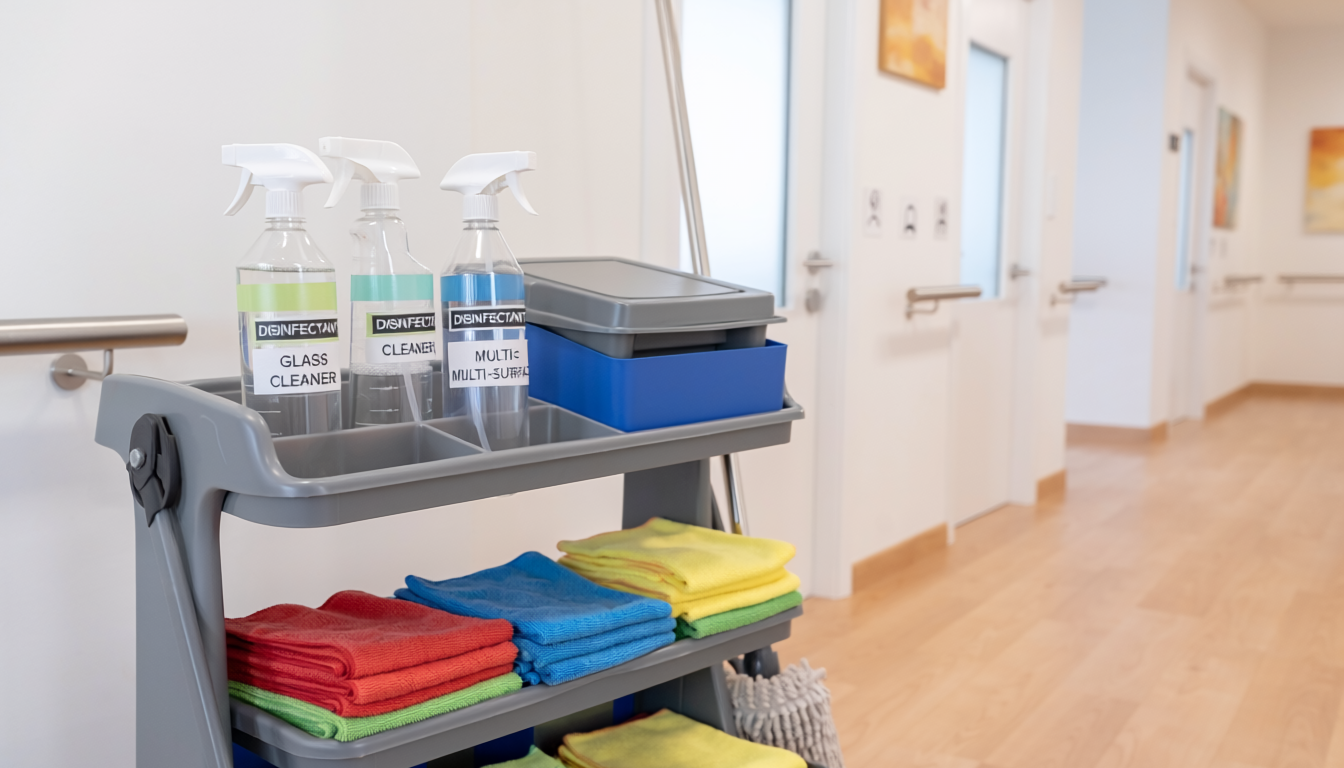
Maintaining high standards of hygiene in Supported Independent Living (SIL) and Specialist Disability Accommodation (SDA) is not just about keeping a property looking tidy. It is a critical component of participant safety, health, and regulatory compliance. NDIS providers in Perth face a unique challenge: meeting strict infection control standards while ensuring the residence feels like a home, not a clinical hospital ward.
For support coordinators and facility managers, the responsibility is immense. You are tasked with protecting vulnerable individuals from infection while respecting their right to a comfortable, non-institutional living space. This balancing act requires more than just a trip to the local supermarket. It demands a strategic approach to selecting cleaning chemicals, equipment, and consumables that are safe, effective, and compliant.
At Weskleen Supplies, we understand that the right cleaning supplies can make the difference between a successful audit and a compliance breach. This guide examines the essential factors you must consider when selecting cleaning solutions for NDIS environments, ensuring your facilities are safe, compliant, and welcoming.
Understanding NDIS Cleaning Standards
The National Disability Insurance Scheme (NDIS) Practice Standards require providers to ensure the risk of infection is minimised. This requirement goes far beyond a quick vacuum and mop. NDIS accommodation cleaning involves protocols closer to healthcare standards, particularly in high-risk areas like bathrooms, kitchens, and shared communal spaces.
When an NDIS Quality and Safeguards Commission auditor reviews your facility, they are looking for evidence of systemic hygiene management. They assess whether the environment is maintained to a standard that prevents the spread of infectious diseases. This means the products used must be proven to kill bacteria and viruses, not just wash them away visually.
However, the challenge lies in the application. Unlike a hospital, where strong bleach smells are expected, an SIL home must remain livable. The cleaning standards must be rigorous, but the execution must be subtle. Providers must demonstrate that they have selected products that are effective against pathogens like Influenza, Gastroenteritis, and COVID-19, while ensuring those same products do not degrade the homely atmosphere that is central to the NDIS ethos.
Prioritising Participant Safety and Sensitivity
Safety in an NDIS setting is multifaceted. It involves protecting participants from pathogens, but also from the risks associated with the cleaning products themselves. This includes chemical toxicity, skin irritation, and sensory impact.
Managing Sensory Sensitivities
Many NDIS participants, particularly those with autism spectrum disorder (ASD) or sensory processing disorders, can be overwhelmed by strong chemical smells. Olfactory sensitivity is a common but often overlooked factor in accommodation management. A cleaner with a heavy artificial lemon, pine, or chlorine scent might signal “clean” to a support worker, but it could cause significant distress, anxiety, or even physical nausea in a resident.
Take Mark, a facility manager in Fremantle, who couldn’t understand why a resident was becoming increasingly agitated every Tuesday morning. The resident would pace anxiously and refuse to enter the communal living area until after lunch. After observing the routine, Mark realised the strong ammonia smell of the floor cleaner used by the morning staff was the trigger. The sharp, acrid scent was physically painful for the resident. By switching to a pH-neutral, low-odour alternative, the resident’s distress ceased immediately. It was a simple product swap that improved the quality of life significantly.
When selecting chemicals, look for options that are effective without aggressive fragrances. Hypoallergenic formulations are often necessary for participants with sensitive skin or respiratory conditions like asthma. Products labelled as “low VOC” (Volatile Organic Compounds) are also preferable, as they release fewer fumes into the indoor air, maintaining better air quality for everyone in the home.
Chemical Storage and Security
Safe storage is a non-negotiable aspect of NDIS compliance. Cleaning chemicals must be kept secure, especially in homes where participants might be at risk of accidental ingestion, self-harm, or misuse due to cognitive impairments.
Leaving a bottle of disinfectant on a kitchen bench while attending to another task is a significant safety risk. Using a dedicated cleaning hand caddy allows support workers to carry necessary supplies with them rather than leaving bottles unattended. These caddies keep trigger sprays, cloths, and wipes organised and within arm’s reach.
When not in use, all hazardous substances should be locked away in a compliant chemical cabinet. This cabinet should be clearly labelled and located in a secure area, such as a locked laundry or staff-only cupboard. This simple step prevents accidents and demonstrates a commitment to safety during audits. Furthermore, consider installing wall-mounted dispensing systems for chemicals. These systems prevent staff from manually pouring concentrated chemicals, reducing the risk of spills and splashes that could harm workers or residents.
Infection Control and Cross-Contamination Prevention
Preventing the spread of illness between residents and staff is a primary duty of care. In a shared living environment, a single case of gastroenteritis can spread rapidly if not managed correctly. This requires a two-pronged approach: the right chemicals and the right application method.
The Two-Step Cleaning Process
It is vital to understand the difference between cleaning and disinfecting. Cleaning uses detergent and water to physically remove dirt, grease, and organic matter from a surface. Disinfecting uses chemicals to kill germs. You cannot effectively disinfect a dirty surface because the dirt protects the bacteria.
For NDIS accommodation, we recommend a “two-step clean” for high-touch areas, or the use of a high-quality “2-in-1” detergent/disinfectant that can lift soil and kill pathogens simultaneously. Staff must be trained to know which product performs which function.
Hospital-Grade Disinfectants and Sanitisers
Standard supermarket cleaners often lack the potency required to meet infection control standards. For high-touch surfaces like door handles, light switches, handrails, and benchtops, you need a commercial-grade solution.
A product like Comet Foaming Cleaner & Sanitiser is ideal for these environments. Its foaming action allows it to cling to vertical surfaces, ensuring the chemical has enough “dwell time” or “contact time” to effectively kill pathogens before being wiped away. Many disinfectants need to sit on a surface for 5 to 10 minutes to be fully effective; simply spraying and immediately wiping often renders the disinfection process useless. Using verified sanitisers ensures that you are actually disinfecting surfaces rather than just moving germs around.
Colour-Coded Cleaning Systems
One of the most effective ways to prevent cross-contamination is implementing a colour-coded cleaning system. This universal language of cleaning ensures that a cloth used in the toilet is never, ever used in the kitchen. Even if the cloth has been washed, the psychological and physical risk of cross-contamination remains.
We recommend the following industry-standard colour coding for all NDIS sites:
- Red: Toilets, urinals, and washroom floors. This is the highest risk area.
- Blue: General areas, low-risk cleaning, dusting, and polishing (e.g., lounge rooms, offices).
- Green: Kitchens and food preparation areas. This is critical for preventing foodborne illnesses.
- Yellow: Infectious areas or washbasin surfaces (often used for clinical cleans or isolation rooms).
Implementing colour-coded cleaning equipment, including mops, buckets, and microfiber cloths, is a visual, easy-to-follow system that staff can adhere to even during busy shifts. It significantly reduces the risk of transferring bacteria like E. coli or Salmonella from bathrooms to food preparation zones.
Essential Equipment for Supported Independent Living
Support workers often double as cleaners in SIL arrangements. They are caring for participants, cooking meals, and maintaining the home. Providing them with ergonomic, efficient equipment is vital for their workplace health and safety (WHS). A heavy, cumbersome vacuum can lead to back strain, while poor-quality mops make the job take twice as long, eating into time that could be spent with participants.
Think of your cleaning equipment like a tradesperson’s tools. You wouldn’t expect a carpenter to build a house with a toy hammer, so why expect support workers to maintain hygiene standards with flimsy domestic tools that break after a month of daily use?
High-Performance Filtration and Vacuums
Floor care is substantial in Perth homes, where sand and dust are prevalent. Domestic upright vacuums are often unsuitable for the high traffic of an NDIS group home. They clog easily, overheat, and often lose suction as the bag fills.
Commercial backpack vacuums, such as the Pacvac Superpro 700 Backpack Vacuum, are often superior in these settings. They allow for faster movement around furniture and obstacles, which is essential in cluttered or busy homes. The backpack design encourages good posture, reducing the strain on the operator’s lower back.
Crucially, commercial vacuums often feature HEPA (High-Efficiency Particulate Air) filtration. HEPA filters trap 99.97% of fine dust particles and allergens, preventing them from being recirculated into the air. For homes with residents who suffer from asthma or allergies, a HEPA-filter vacuum is not just a cleaning tool; it is a health device.
The Ergonomics of Mopping
Traditional cotton string mops are heavy when wet and often leave floors soaking, creating a slip hazard for residents with mobility issues. Modern flat-mop systems using microfiber technology are far superior. They require less water, dry faster (reducing slip risks), and the microfiber material physically traps bacteria rather than pushing it around.
The Role of Safety Data Sheets (SDS)
Compliance paperwork is the backbone of the NDIS audit process. Every chemical used on-site, from the dishwashing liquid to the heavy-duty descaler, must have a corresponding Safety Data Sheet (SDS).
An SDS provides critical information on:
- Identification: The product name and intended use.
- Hazard Identification: Warnings about flammability, corrosiveness, or toxicity.
- Composition: The chemical ingredients.
- First Aid Measures: What to do in case of ingestion, eye contact, or skin irritation.
- Handling and Storage: Requirements for safe temperature and ventilation.
Safety Data Sheet compliance is not optional. It is a legal requirement under Western Australian Work Health and Safety laws. If a staff member or participant has an adverse reaction to a cleaning product, emergency services will need the SDS to provide the correct treatment immediately.
Ensure these documents are current (issued within the last five years) and easily accessible to all staff members. We recommend keeping a physical “Red Folder” in the chemical storage area and a digital copy on the staff tablet or portal. During an audit, being able to instantly produce an up-to-date SDS for every chemical on-site demonstrates a high level of operational competence.
Staff Training and Product Usage
The best cleaning product in the world is useless, or even dangerous, if used incorrectly. A common issue in NDIS settings is the “glug-glug” method of dilution, where staff pour an unmeasured amount of chemical into a bucket.
Over-dilution (too much water) renders the disinfectant ineffective, failing to kill germs. Under-dilution (too much chemical) leaves a sticky residue on floors that attracts dirt, wastes money, and can cause chemical burns or respiratory irritation.
Providers must ensure that all support workers receive basic training on:
- Dilution Ratios: How to use dispensing pumps or measuring cups to get the exact ratio.
- Contact Time: Understanding that spray-and-wipe isn’t instant.
- Chemical Safety: Never mixing chemicals (e.g., mixing bleach and ammonia creates deadly chloramine gas).
- PPE: Wearing gloves and eye protection when refilling concentrated bottles.
Documenting this training is another tick for your NDIS audit, showing that you invest in the skills of your workforce to ensure high-quality supports.
Cost-Efficiency vs Quality in Consumables
Budget constraints are a reality for every NDIS provider. Funding packages must cover rent, utilities, staffing, and consumables. It is tempting to buy the cheapest cleaning products available to save money in the short term. However, buying cheap cleaning products is often a false economy.
Domestic products are heavily diluted with water, meaning you use significantly more product to achieve the same result. You might go through three bottles of a cheap supermarket cleaner in the time it takes to use one bottle of commercial concentrate.
Commercial cleaning chemicals are typically sold as concentrates. A 5-litre bottle of concentrate might seem expensive upfront, but it can produce hundreds of spray bottles of ready-to-use solution. When you do the maths, the cost per litre of usable product is often a fraction of the supermarket price.
Furthermore, high-quality consumables like durable mop heads and breakdown-resistant buckets last longer, reducing the frequency of replacement. Investing in professional supplies ensures that funds are spent efficiently while maintaining the high standards required by the NDIS.
Final Thoughts on NDIS Hygiene
Choosing the right supplies for NDIS accommodation cleaning is a balancing act. You must satisfy the rigorous demands of auditors, meet complex infection control protocols, and manage strict budgets, all while respecting the fact that you are working in someone’s home.
But how do you balance hospital-grade hygiene with a homely atmosphere? The answer lies in selecting professional, low-odour products and using discrete, efficient equipment. It lies in the training of your staff and the systems you put in place. By prioritising safety, documentation, and quality, providers can create a clean, healthy, and happy environment for all participants.At Weskleen Supplies, we specialise in helping Perth NDIS providers set up compliant, efficient cleaning systems. For specific advice on setting up your facility with compliant supplies, contact us to speak with our Perth-based team.