


Blog
Safe Cleaning Products for Disability Support Environments

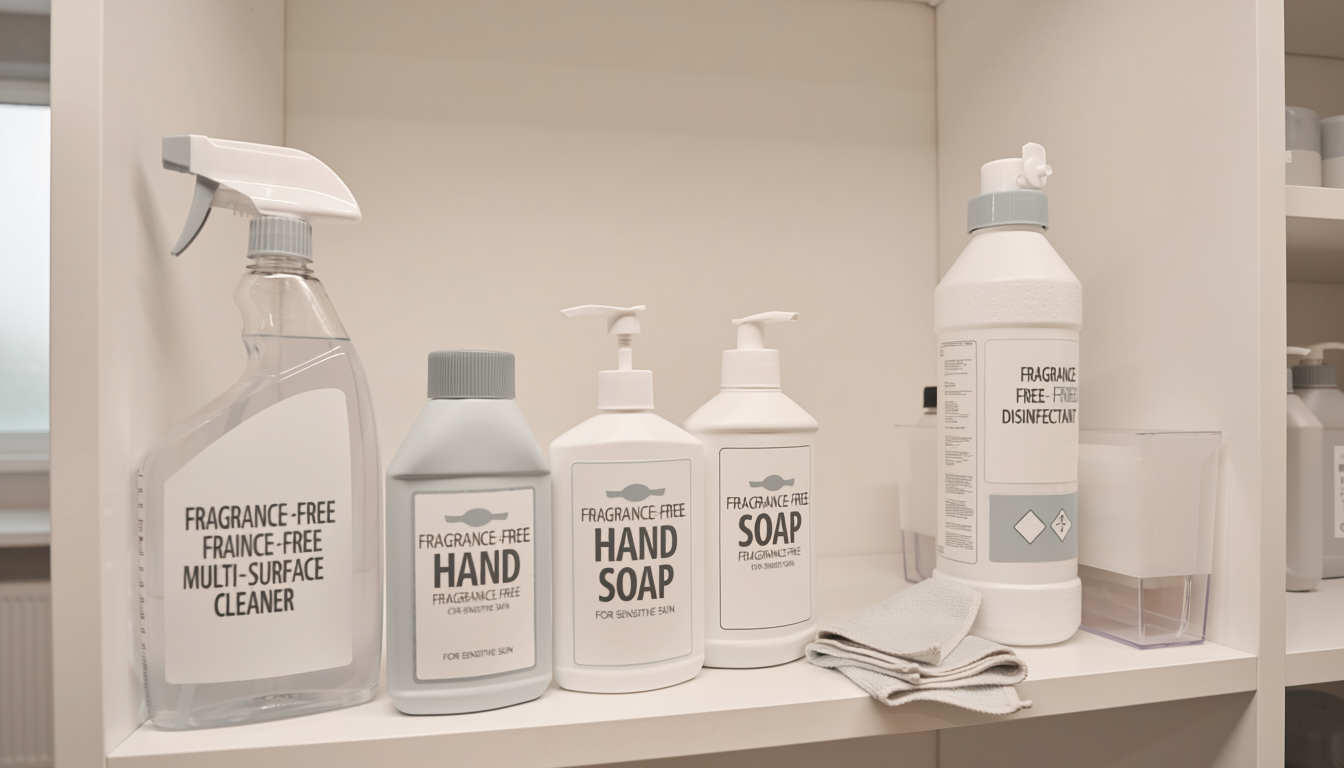
Managing hygiene in a disability support facility requires a sophisticated approach that goes beyond standard commercial cleaning. Facility managers and support workers face a dual challenge: maintaining hospital-grade infection control to protect vulnerable immune systems while ensuring the environment remains a comfortable, welcoming home. Weskleen Supplies recognises that industrial chemicals suitable for a shopping centre or office block are often inappropriate, and potentially dangerous, for residential care settings.
Support environments house individuals with diverse needs, ranging from respiratory vulnerabilities to heightened sensory processing sensitivity. A standard approach to disinfection using high-residue, high-fragrance chemicals can trigger physical health episodes or behavioural distress. Implementing a regime based on specific disability-safe cleaners is a fundamental aspect of resident care, ensuring that the act of cleaning does not inadvertently harm the people it is meant to protect.
The Hidden Impact of Chemical Selection
The primary difference between cleaning a corporate office and a disability support home is the occupants’ physiology and daily routine. Residents may spend significant time indoors, sometimes at floor level or in close contact with surfaces. This proximity increases their exposure to chemical residues and airborne particulates.
Sensory Processing and Olfactory Triggers
For neurodivergent residents, particularly those with Autism Spectrum Disorder (ASD), the environment is experienced with heightened intensity. Strong, artificial fragrances found in standard “lemon” or “pine” floor cleaners can be overwhelming. These scents are often masking agents designed to hide odours rather than remove the source.
In a support environment, a strong chemical smell is not the scent of clean; it is a sensory assault. It can cause headaches, nausea, or significant behavioural changes in residents who cannot easily articulate their discomfort. Switching to a hypoallergenic surface spray eliminates this olfactory footprint. These products are formulated to neutralise pathogens without leaving a lingering scent, respecting the sensory boundaries of the home.
Respiratory Health Vulnerabilities
Many residents in supported independent living (SIL) arrangements have co-occurring health conditions, including asthma, COPD, or compromised lung function. Volatile Organic Compounds (VOCs) are gases emitted from aggressive cleaning solvents. In poorly ventilated spaces, these compounds accumulate, contributing to poor indoor air quality.
When staff use high-VOC sprays, the chemical mist settles on wheelchair armrests, tray tables, and bedding. For a resident with limited mobility who cannot simply leave the room while it “airs out,” this exposure is constant. Disability-safe cleaners prioritise low-VOC formulations, utilising safer active ingredients like lactic acid or hydrogen peroxide blends that break down into harmless components like water and oxygen, rather than lingering as toxic vapour.
The Chemistry of Safe Cleaning
Effective cleaning is about chemistry, not just effort. There is a persistent myth in the industry that a product must smell strong or sting the eyes to be working. This is scientifically incorrect and operationally dangerous.
The Power of pH-Neutral Formulations
To understand safety, we must look at the pH scale. Highly acidic cleaners (like toilet descalers) and highly alkaline cleaners (like heavy-duty degreasers) are corrosive. Think of pH-neutral sanitiser like gentle soap for your skin. Just as harsh industrial soap strips away natural oils and causes dermatitis, aggressive alkaline cleaners strip the protective sealants off vinyl flooring and damage the finish on timber furniture.
A pH-neutral solution cleans effectively by lifting soil into suspension so it can be wiped away, without chemically attacking the surface material. We recommend products like the Comet Foaming Cleaner & Sanitiser, which offers excellent efficacy against bacteria while being safe for high-contact areas. Using a pH-neutral product means that if a resident touches a handrail or table five minutes after cleaning, they are not contacting a caustic residue.
Understanding Dilution and Residue
One of the most frequent issues we see in care facilities is chemical overdosing. Support staff, often pressed for time, may guess the dilution ratio, adding “a little extra for good luck.” This creates a dangerous layer of chemical residue on floors.
This residue is invisible, but it acts like a magnet for dirt. More critically, it changes the friction coefficient of the floor. When that residue gets wet, from a spill or humid weather, it becomes incredibly slippery. In an environment where residents may have mobility challenges or use gait aids, a slippery floor is a catastrophic risk. Using dispensing systems or pre-measured sachets ensures that the disability-safe cleaners are applied at the exact concentration required to clean without leaving a slick film.
Floor Safety and Fall Prevention
Falls are a leading cause of injury in support environments, often resulting in hospitalisations that could have been avoided. While wet floors are an obvious and visible hazard, the insidious danger often lies in long-term chemical build-up. Many “supermarket” or general commercial floor cleaners contain optical brighteners and cheap waxes designed to make floors look shiny and appealing. Over weeks and months, these waxes build up in layers, smoothing out the microscopic texture of the vinyl or tile that provides its natural grip.
For a resident using a walking frame, crutches, or a wheelchair, a floor with a compromised slip resistance rating (R-rating) is treacherous. The rubber tips of gait aids rely on friction to hold the user’s weight. If the floor is coated in a slick film of optical brighteners, that friction is lost.
Disability-safe cleaners are specifically engineered to be “residue-free.” They are designed to attack the soil and lift it away without leaving a shiny film behind. We also recommend that facilities implement a periodic “cut-back” cleaning schedule. This involves using a rotary scrubber with plain water or a specialized stripping agent to remove old chemical build-up, effectively “resetting” the floor’s surface to its original manufacturer-rated slip resistance. This simple maintenance step can drastically reduce fall incidents.
Essential Equipment for Safe Environments
Chemicals are only one component of the hygiene matrix. The physical tools used by support staff play a massive role in infection control and safety.
Colour-coded cleaning equipment is the global standard for preventing cross-contamination, yet it is often implemented loosely in smaller residential homes. The system is simple:
- Red: Toilets and washroom floors (high risk).
- Blue: General areas, lounges, and offices (low risk).
- Green: Kitchen and food preparation areas.
- Yellow: Clinical or infectious areas.
Strict adherence to this system ensures that a cloth used to wipe a toilet seat is never, under any circumstances, used to wipe a dining table.
Furthermore, the choice of mop matters. Old-fashioned cotton string mops tend to push dirt around and leave floors wet for 30 minutes or more. A high-quality microfibre mop head traps dust and bacteria mechanically. Microfibre is so effective at capturing microscopic particles that it reduces the volume of chemicals required to achieve a sanitary result. It also leaves floors virtually dry within minutes, significantly reducing the slip hazard window for residents.
Laundry Logistics for High-Care Settings
While floor and surface cleaning often take priority, laundry management is a critical vector for health in disability support settings. Bedding, towels, and personal clothing are in constant contact with residents’ skin, often for prolonged periods. The chemical composition of laundry detergents can have severe implications for skin integrity.
Standard commercial laundry powders are typically highly alkaline (high pH) to aggressively break down organic stains. If the washing machine’s rinse cycle is not perfectly calibrated, or if the machine is overloaded, these alkaline salts remain trapped in the fabric fibres. When a resident perspires in bed, the moisture re-activates these dried salts, creating a high-pH environment directly against the skin. This is a common but overlooked cause of contact dermatitis, unexplained rashes, and the aggravation of pressure sores.
For high-care settings, we strongly advise transitioning to liquid auto-dosing systems. These systems can be programmed to inject a pH-neutralising “sour” in the final rinse cycle, ensuring fabrics return to a skin-safe pH level before drying. Additionally, unlike powders which can leave undissolved clumps in low-temperature washes, liquids disperse completely.
Machine maintenance is equally vital. Support facility washing machines often run at lower temperatures to protect delicate clothing, but this can lead to biofilm buildup in the drum. A monthly maintenance wash using a descaler and sanitiser is essential to prevent the machine itself from becoming a reservoir for bacteria that transfers back onto “clean” linen.
Managing Outbreaks Safely
While daily cleaning should rely on gentle, pH-neutral options, facilities must be prepared for outbreaks of Gastroenteritis, Influenza, or COVID-19. During these periods, the protocol must shift temporarily from “maintenance” to “disinfection.”
This does not mean flooding the facility with bleach. Bleach is respiratory irritant and damages surfaces. Instead, facilities should stock a dedicated “outbreak kit” containing higher-level disinfectants that are still compatible with the facility’s surfaces.
When an outbreak occurs, the focus shifts to “high-touch point” disinfection: door handles, light switches, remote controls, and wheelchair push rims. It is vital that staff understand the “dwell time”, the amount of time a surface must remain wet for the chemical to kill the virus. Spraying and immediately wiping is often ineffective. Even during outbreaks, ventilation is key. Opening windows to cycle fresh air is as important as the chemical being used.
Operational Compliance and Training
In a disability support environment, compliance is not optional. Every chemical on-site must have a current chemical safety data sheet (SDS) readily accessible to all staff. This document provides critical information on first aid measures if a resident accidentally ingests or comes into contact with a product.
The Dangers of Decanting
A frequent compliance breach we observe involves “decanting”, the practice of pouring bulk chemicals into smaller, unlabelled spray bottles. This poses an astronomical risk in support environments. If a staff member fills a generic bottle with a heavy-duty degreaser but leaves the bottle unmarked (or worse, labelled “Water”), the potential for tragedy is high.
Should a resident ingest the fluid, or get it in their eyes, paramedics rely on the bottle’s label to determine the correct treatment. Without a label, they are flying blind. To ensure safety, all disability-safe cleaners must be used either in their original packaging or in colour-coded, pre-labelled bottles that explicitly match the bulk container’s chemical safety data sheet.
Storage and Access
Safety extends to storage. Chemicals must be locked away in a cupboard that residents cannot access. We have seen incidents where residents with cognitive impairments have mistaken bright blue cleaning liquids for beverages. Using clearly labelled, lockable dosing stations prevents this risk entirely.
Empowering Staff Through Knowledge
Take Mark, a facility manager for a supported independent living provider in Perth. He battled constant complaints about lingering chemical odours triggering headaches among residents and staff. He assumed he needed “stronger” chemicals to remove the smell. We audited his site and found the opposite: he was using heavy ammoniated floor strippers for daily mopping.
We switched Mark to a routine using a high-quality pH-neutral sanitiser and implemented a strict colour-coded cleaning equipment system. We trained his team not just on how to mop, but why the chemical change mattered for resident health. The headaches vanished, the “hospital smell” was replaced by fresh air, and his consumable costs actually dropped because staff stopped overdosing the buckets.
Moving Toward a Safer Standard
Transitioning to safer alternatives does not mean accepting a lower standard of cleanliness. It means choosing products that are chemically engineered to perform without aggression.
Review your current chemical register. If you see products with “Danger” or “Corrosive” symbols used for daily surface wiping, it is time to re-evaluate. Check the chemical safety data sheet for warnings regarding respiratory irritation. Ensure your team is equipped with a hypoallergenic surface spray for general use.If you need guidance on auditing your facility’s current supplies or selecting the right disability-safe cleaners, contact us today. Our team can help you build a supply list that prioritises the safety and dignity of your residents without sacrificing hygiene standards.