


Blog
How to Restore High Traffic Timber Floors Using Long Life 5L

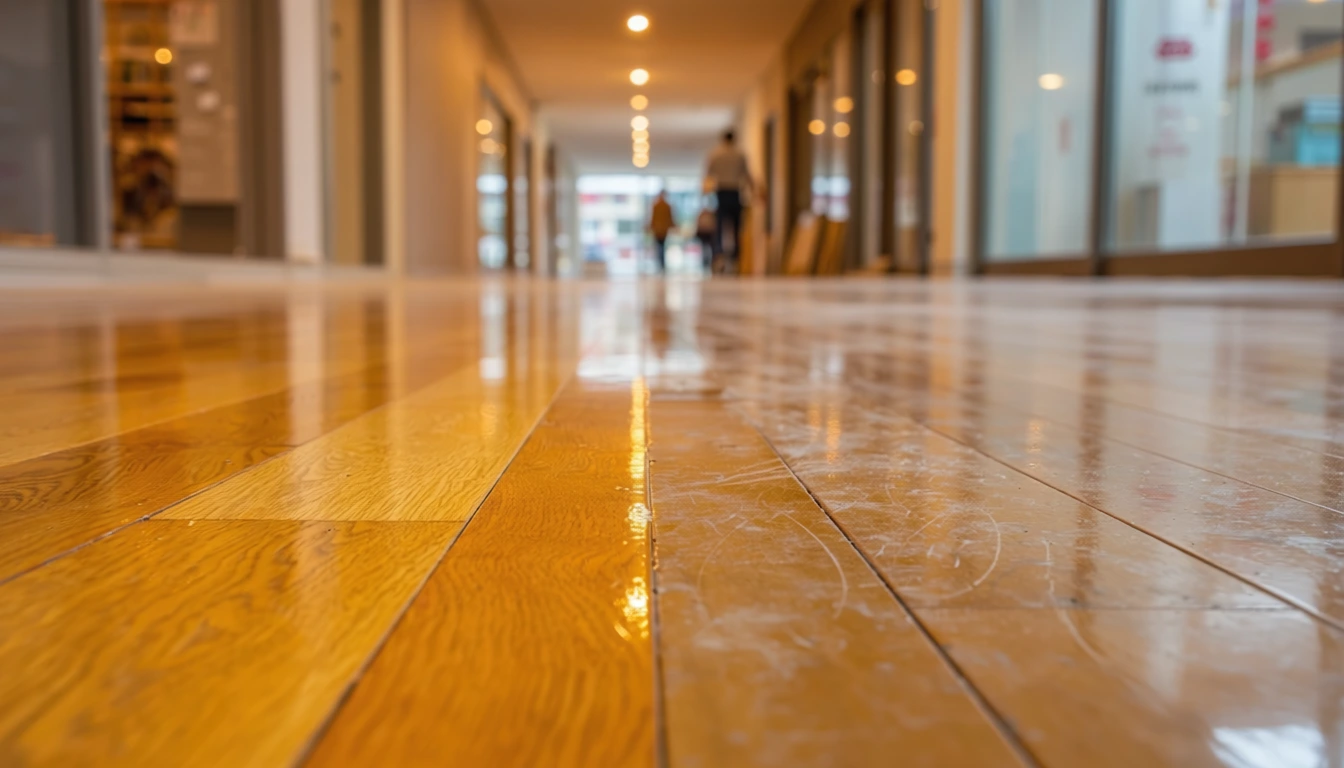
Timber floors in commercial spaces take a beating. Foot traffic, spills, cleaning chemicals, and UV exposure gradually strip away the protective finish, leaving surfaces dull, scratched, and vulnerable to moisture damage. What once gleamed now looks tired and neglected, no matter how often you mop.
Restoration doesn’t always require expensive sanding or refinishing. The right maintenance product can rebuild protection, restore depth, and extend the life of high-traffic timber by years. Long Life 5L floor cleaner does exactly that. It cleans and recoats in a single application, making professional-grade restoration accessible to facility managers, contract cleaners, and business owners who can’t afford downtime.
This isn’t about masking wear. It’s about chemically bonding a protective layer that withstands the punishment commercial environments dish out daily.
Why High Traffic Timber Floors Deteriorate Faster
Commercial timber floors face conditions residential surfaces never encounter. A retail store might see 500+ people walk through daily. An office corridor experiences constant wheeled traffic from chairs and carts. Cafes deal with spills, moisture, and acidic substances that eat through finishes.
Polyurethane coatings protect timber, but they’re not invincible. Each footstep creates microscopic abrasion. Over months, this wears through the top layer, exposing raw wood to moisture and dirt. Once that happens, deterioration accelerates – water penetrates grain, causing swelling and discolouration. Dirt embeds into unprotected fibres, creating permanent staining that no amount of mopping will remove.
Traditional cleaning compounds make this worse. Alkaline detergents strip remaining finish. Harsh degreasers dry out timber. Even water, when used excessively, causes warping and joint separation. You’re cleaning the floor to death, removing protection faster than the surface can recover.
What Makes Long Life 5L Different from Standard Floor Cleaners
Most floor cleaners remove dirt. Long Life 5L floor cleaner removes dirt and deposits a protective polymer coating in the same pass. Think of it as washing and waxing your car simultaneously – the cleaning action prepares the surface while the polymer formula bonds to existing finish, rebuilding the protective layer.
The chemistry matters here. The Long Life 5L floor cleaner uses a pH-neutral formula that won’t attack polyurethane or timber. It contains acrylic polymers that cross-link as they dry, forming a durable film. This timber floor polymer coating integrates with existing finishes, creating a reinforced protective system that resists scuffing and water penetration. Unlike traditional waxes that sit on top of the surface and get stripped away with each subsequent clean, these polymers bond at a molecular level.
This approach works particularly well on surfaces still suited to polyurethane finish restoration – where the timber looks dull but isn’t deeply scratched or water-damaged. A café owner in Perth had engineered timber throughout their space. After three years of heavy commercial use, it looked flat and lifeless. Two applications of Long Life 5L brought back the depth and sheen, extending the floor’s life by another two years before needing professional refinishing.
The Pre-Restoration Assessment: What You Need to Check First
So how do you know whether your floor is suitable for chemical restoration before investing time and product? Start by assessing its actual condition across four key criteria.
Check for deep damage. Run your hand across the surface. If you feel raised grain, deep gouges, or soft spots, the finish is gone and the timber itself is compromised. You’ll need full polyurethane finish restoration through sanding and refinishing at this stage.
Test for coating integrity. Sprinkle water on the floor in several high-traffic areas. If it beads up, you still have functional finish. If it soaks in immediately, the protective layer is gone and you’re applying product to bare wood, which won’t bond properly.
Identify contamination. Old wax buildup, silicone-based polishes, and certain oil-based cleaners create barriers that prevent new coatings from adhering. If your floor has been maintained with unknown products, you’ll need to strip it first using a neutral stripper before applying Long Life 5L floor cleaner.
Consider traffic patterns. Restoration works best when you can control access during application and drying. If you can’t close a space for 4-6 hours, you’ll struggle to achieve proper results. Plan restoration for after-hours or during low-traffic periods.
The Step-by-Step Restoration Process
Proper application makes the difference between a floor that looks good for months versus one that shows wear within weeks. The process requires attention to detail – proper assessment, thorough preparation, correct dilution, and adequate curing time – but it’s not complicated.
Surface Preparation
Start with a thorough dust mop or vacuum. Any grit left on the surface will get suspended in the coating and create a rough texture. Microfibre mop timber application for this first step is critical – use a dust control microfibre mop head designed to trap fine particles that regular brooms miss.
Next, clean with a neutral pH detergent to remove oils, residues, and contaminants. Long Life 5L bonds to clean surfaces, not dirty ones. Mix the detergent according to manufacturer specifications – too concentrated and you’ll leave residue, too dilute and you won’t cut through soils effectively.
Mop using the two-bucket method: one for cleaning solution, one for rinse water. Change water frequently. Dirty mop water just redistributes grime across the floor.
Allow the floor to dry completely. This typically takes 30-60 minutes depending on ventilation and humidity. Touch the surface – it should feel dry, not cool or damp.
Mixing and Application
Long Life 5L is a concentrated formula. For restoration work on worn surfaces, use a 1:4 dilution ratio – one part Long Life to four parts clean water. For routine maintenance on floors in good condition, you can dilute further to 1:10, but restoration requires the stronger concentration to build sufficient coating thickness.
Mix in a clean 16L mop bucket. Contaminated water or buckets with detergent residue will compromise the polymer’s ability to bond and cure properly.
Apply using a clean, damp microfibre mop head. Wring out excess solution – you want the floor damp, not wet. Excessive product doesn’t dry properly and creates a tacky surface that attracts dirt.
Work in 3-4 metre sections, maintaining a wet edge to avoid lap marks. Apply in smooth, overlapping passes following the timber grain direction. Don’t scrub – you’re depositing the timber floor polymer coating, not removing dirt. That happened in the preparation stage.
Monitor the floor restoration dwell time from the moment you complete each section – allow 30-60 minutes for the surface to dry completely before assessing coverage.
Drying and Curing
This is where most people rush and ruin their results. Floor restoration dwell time matters more than most people realise. The surface may feel dry to touch within 30 minutes, but the polymer continues cross-linking for several hours as the protective coat fully bonds.
Keep traffic off the floor for at least 4 hours. Longer is better. Premature traffic disrupts the curing process, creating scuff marks and preventing proper bonding.
Ensure adequate ventilation but avoid direct airflow from fans, which can cause uneven drying and streaking. Open windows work well. Air conditioning is fine if it’s not blowing directly on the wet surface.
Temperature matters. Long Life 5L cures best between 15-25°C. Below that, curing slows significantly. Above that, it may dry too quickly, preventing proper film formation.
Second Coat Application
For heavily worn floors, a second coat delivers substantially better protection. Wait at least 4 hours after the first coat before applying the second – overnight is ideal.
You don’t need to re-clean before the second coat. The first coat provides a clean, receptive surface. Simply dust mop to remove any settled particles, then apply the second coat using the same technique as the first.
Two thin coats always outperform one thick coat. Thick applications don’t cure properly and remain soft, attracting dirt and showing scuff marks quickly.
Maintenance Strategy After Restoration
You’ve invested time and effort into restoration. Proper maintenance protects that investment and extends the time between restorations.
Daily maintenance: microfibre mop timber application for dust removal is the single most important action you can take. Removing abrasive particles before they act like sandpaper under foot traffic prevents 80% of wear.
Weekly cleaning: damp mop with Mr. Bean 5L all-purpose cleaner at proper dilution. This won’t attack the timber floor polymer coating the way high-pH alkaline cleaners do. Avoid harsh detergents, which strip protection faster than you can rebuild it.
Monthly recoating: apply Long Life 5L floor cleaner at maintenance dilution (1:10) once monthly in high-traffic areas. This continuously rebuilds the protective layer, preventing wear from reaching the timber itself. Think of it as topping up protection rather than waiting until it’s completely worn away.
Spot treatment: address spills immediately. While Long Life 5L provides excellent moisture resistance, prolonged exposure to liquids – especially acidic substances like coffee or wine – can penetrate and stain timber. Blot spills rather than wiping, which spreads them.
Common Mistakes That Compromise Results
Even experienced cleaners make errors that reduce effectiveness. Here’s what to avoid.
Using dirty equipment. Mops contaminated with previous cleaning chemicals or dirty water prevent proper bonding. Dedicate specific equipment to Long Life 5L applications, or ensure everything is scrupulously clean before use.
Incorrect dilution. More concentrated doesn’t mean better. Excessive product creates thick coatings that don’t cure properly, remaining tacky and attracting dirt. Follow dilution ratios precisely.
Inadequate preparation. Applying Long Life 5L over dirty, contaminated, or wet surfaces wastes product and delivers poor results. The preparation phase matters more than the application phase.
Applying in unsuitable conditions. Cold temperatures, high humidity, and poor ventilation all interfere with floor restoration dwell time and polymer curing. Don’t attempt restoration when conditions aren’t right – you’ll just have to strip and redo the work.
Premature traffic. Allowing people to walk on incompletely cured coating creates permanent marks and prevents proper bonding. Enforce access restrictions strictly.
When Chemical Restoration Isn’t Enough
Long Life 5L floor cleaner performs impressively on moderately worn timber, but it’s not magic. Some situations require professional intervention.
If water testing shows immediate absorption, the finish is gone. Chemical restoration won’t work on bare timber – it needs existing finish to bond with. Complete polyurethane finish restoration through sanding and refinishing is required to restore proper protection.
Deep scratches that penetrate to raw wood won’t disappear under coating. Long Life 5L will protect them from further damage, but it won’t hide them. If appearance matters, you’ll need to address the scratches mechanically before coating.
Structural issues like cupping, warping, or loose boards indicate moisture problems or installation failures. These require professional assessment and repair – no coating will fix underlying structural problems.
For floors in this condition, Weskleen Supplies can connect you with professional refinishing services while providing the maintenance products you’ll need afterward.
Cost Analysis: Restoration Versus Replacement
Numbers matter to business owners. A 5L container covers approximately 250-300 square metres at restoration dilution, or 500-600 square metres at maintenance dilution. At current pricing, that’s roughly $0.15-$0.20 per square metre for restoration.
Professional polyurethane finish restoration costs $30-$60 per square metre depending on timber type and finish quality. Replacement costs $50-$150+ per square metre for materials alone, plus installation labour.
A 100-square-metre retail space would cost $20-$25 to restore with Long Life 5L floor cleaner, $3,000-$6,000 to refinish professionally, or $8,000-$20,000+ to replace. Even factoring in labour time for restoration, the cost difference is substantial.
The calculation changes if your floor is genuinely beyond chemical restoration. But for the majority of commercial timber floors showing wear from traffic rather than catastrophic damage, Long Life 5L delivers professional results at a fraction of traditional restoration costs.
Long-Term Performance Expectations
Restored floors won’t last forever, but proper maintenance extends their life significantly. In moderate traffic environments (office corridors, retail backrooms), expect 12-18 months before needing full restoration again. High-traffic areas (retail floors, hospitality venues) typically need restoration every 6-12 months.
Monthly maintenance applications extend these timeframes considerably. A floor maintained monthly might go 2-3 years before needing intensive restoration, compared to 6-12 months without maintenance.
Compare this to unprotected timber, which can show significant wear within 3-6 months in commercial settings. The difference between protected and unprotected surfaces isn’t subtle – it’s the difference between timber that lasts decades and timber that needs replacement within years.
Conclusion
High-traffic timber floors don’t need to look worn and tired. Long Life 5L floor cleaner provides a practical, cost-effective restoration method that rebuilds protection, restores appearance, and extends floor life without the expense and disruption of sanding or replacement.
The process requires attention to detail – proper assessment, thorough preparation, correct dilution, and adequate curing time – but it’s not complicated. Most facility managers and cleaning professionals can achieve professional results with basic equipment and careful technique.
The real value comes from understanding that floor maintenance is continuous, not episodic. Monthly applications prevent wear from accumulating. Proper daily cleaning removes abrasive particles. Together, these practices maintain the protection you’ve built, keeping timber looking good and performing well for years.
For commercial spaces where appearance matters and downtime costs money, chemical restoration makes sense. It’s not the solution for every floor, but for moderately worn timber that still has some finish remaining, it delivers results that rival professional refinishing at a fraction of the cost.
Weskleen Supplies provides product recommendations and technical support specific to your floor type and traffic conditions. 1800 728 926 to discuss whether chemical restoration is the right approach for your situation.