


Blog
Safe Cleaning Practices for Allergy-Sensitive Workplaces

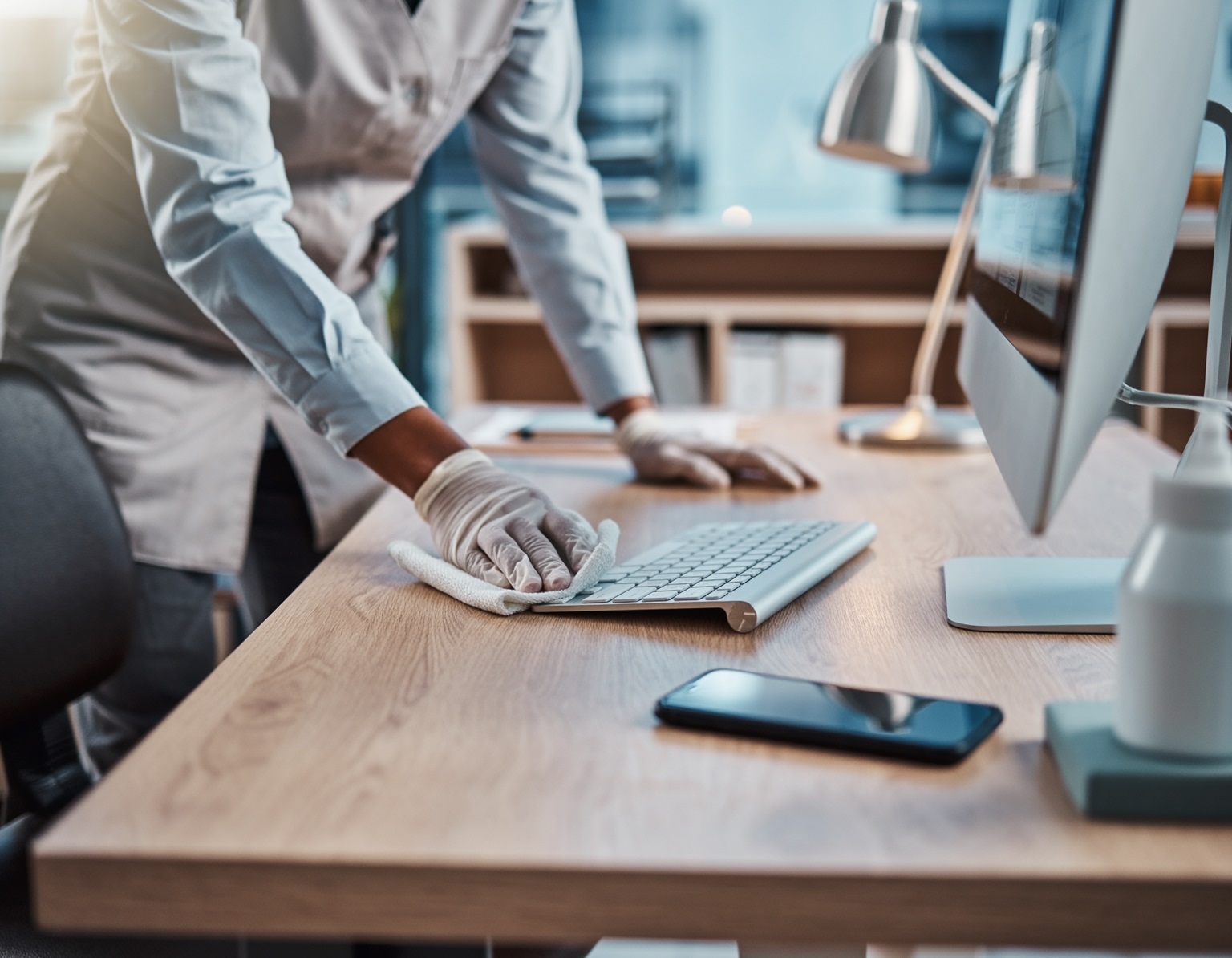
Around 20% of Australians live with allergic rhinitis – that’s one in five people walking into your workplace who could be triggered by airborne allergens, chemical irritants, or residues left behind by standard cleaning products. For facility managers and business owners, this statistic isn’t just a health concern; it’s a productivity issue, a duty-of-care responsibility, and increasingly, a workplace safety obligation. But what does genuinely protecting these individuals actually look like in practice?
At Weskleen Supplies, we’ve spent years helping commercial operations transition to allergy-safe cleaning practices that protect sensitive individuals without compromising on hygiene standards. The challenge isn’t simply swapping out a few products – it’s understanding what triggers allergic responses, how cleaning methods contribute to the problem, and which professional-grade solutions actually deliver results.
The difference between consumer-grade “green” cleaners and proper allergy-safe protocols comes down to chemistry, technique, and equipment choices. A workplace that smells like synthetic lavender might seem clean, but those fragrance molecules are often the exact compounds causing respiratory distress in your staff. Real allergy-safe cleaning removes irritants rather than masking them.
Understanding Workplace Allergens and Cleaning’s Role
Dust mites, pollen, mould spores, pet dander, and chemical residues form the core allergen profile in most commercial spaces. Standard cleaning practices often redistribute these particles rather than capturing them, sending fine particulates airborne where they remain suspended for hours.
Consider a typical scenario: a contract cleaner uses a feather duster on open shelving in an office. The action dislodges settled dust, which then disperses into the breathing zone. Within minutes, staff with dust allergies experience symptoms. The space looks cleaner, but the air quality has actually degraded.
The second issue involves volatile organic compounds (VOCs) from traditional cleaning chemicals. These off-gas during application and for hours afterward, triggering reactions in chemically sensitive individuals. Symptoms range from mild irritation to severe respiratory distress, headaches, and skin reactions.
Effective allergy-safe cleaning addresses both particulate matter and chemical triggers through three core principles:
- Containment: Capturing allergens rather than dispersing them
- Removal: Physically extracting contaminants from the environment
- Prevention: Using products that don’t introduce new irritants
Equipment Selection for Allergen Control
The equipment you choose determines whether you’re genuinely removing allergens or simply moving them around. Standard vacuum cleaners without proper filtration systems capture large debris but exhaust fine particles back into the air – exactly what you’re trying to eliminate.
HEPA Filtration: The Non-Negotiable Standard
High-Efficiency Particulate Air (HEPA) filters trap 99.97% of particles as small as 0.3 microns. This includes dust mite waste, pollen fragments, and mould spores. Any vacuum used in an allergy-sensitive environment must feature true HEPA filtration, not “HEPA-type” or “HEPA-like” marketing language.
The Pacvac Superpro 700 backpack vacuum uses sealed HEPA filtration systems that prevent allergen escape during operation. The backpack design offers another advantage: improved manoeuvrability means cleaners spend more time actually vacuuming and less time repositioning equipment, resulting in more thorough allergen removal.
For operations requiring cordless flexibility – particularly in spaces with limited power access or high foot traffic during cleaning hours – the Pacvac Superpro 700 battery kit provides four batteries and a charger. This eliminates extension cords that create trip hazards and allows uninterrupted cleaning patterns.
Microfibre Technology for Surface Cleaning
Microfibre materials fundamentally changed professional cleaning by introducing a mechanical cleaning method that doesn’t rely on chemical action. The split fibres create millions of tiny hooks that physically capture particles, including those too small for the human eye to see.
A quality microfibre mop head like the Enduro microfibre mop head removes up to 99% of bacteria and allergens using only water. Compare this to traditional cotton mops, which primarily push contaminated water across surfaces and require chemical cleaners to achieve any sanitising effect.
The key is proper technique: use damp microfibre, not soaking wet. Excess water creates moisture problems that encourage mould growth – another major allergen source. Wring the mop head until it’s just damp enough to attract particles without leaving puddles.
Floor Scrubbing Without Chemical Overload
Hard floor surfaces in commercial environments accumulate ground-in dirt, skin cells, and other organic matter that becomes allergen fuel. Traditional mopping with bucket systems often spreads dirty water rather than removing contaminants.
The Polystar Orbital Floor Scrubber uses multi-directional scrubbing action to lift embedded dirt from tile, concrete, and other hard surfaces. It works with minimal chemical input – often just water with a pH-neutral cleaner – and immediately extracts the soiled solution. Nothing gets left behind to dry into an irritating residue.
This approach matters because residue from harsh cleaners doesn’t simply disappear when floors dry. Microscopic particles remain on the surface, becoming airborne with foot traffic. Staff walk through the space, and with each step, they’re creating a small dust cloud of dried chemical compounds mixed with dirt.
Chemical Selection and Dilution Protocols
The cleaning chemical industry has responded to allergy concerns with numerous “green,” “natural,” and “eco-friendly” products. Not all deliver on their promises. Some replace synthetic fragrances with essential oils – which still trigger allergic reactions in sensitive individuals. Others use plant-based surfactants that work poorly, leading cleaners to apply excess product or scrub harder, both of which create problems.
pH-Neutral Cleaners for General Use
pH-neutral cleaners (pH 6-8) provide effective cleaning without the harshness of acidic or alkaline formulations. They’re gentle on surfaces and less likely to cause skin irritation or respiratory issues. Think of pH like temperature: extreme heat and extreme cold both cause damage, while moderate temperatures are safe for extended exposure.
Mr. Bean 5L all-purpose cleaner offers a pH-neutral formula with a coffee scent derived from natural sources rather than synthetic fragrance compounds. It handles daily cleaning tasks across multiple surface types without requiring separate products for each application. The concentrated formula means proper dilution is essential – more product doesn’t mean better cleaning, just more residue.
Sanitising Without Harsh Fumes
High-hygiene areas like kitchens, bathrooms, and healthcare settings require sanitisation beyond what pH-neutral cleaners provide. The challenge is achieving proper disinfection without introducing respiratory irritants.
Comet foaming cleaner and sanitiser uses a foaming action that clings to vertical surfaces, providing the contact time necessary for effective sanitisation. The foam also means you’re applying less liquid, which reduces airborne misting during application – a common trigger for sensitive individuals.
Application technique matters as much as product selection. Spray toward the surface, not into the air. Allow proper dwell time for the sanitiser to work (typically 60 seconds), then wipe with a clean microfibre cloth. This removes both the sanitiser and the contaminants it’s broken down.
Specialty Cleaners for Specific Challenges
Some cleaning challenges require targeted solutions. Adhesive residue from tape, labels, or stickers can’t be removed with general cleaners without excessive scrubbing that damages surfaces.
Goof Off adhesive remover handles these situations efficiently. The aerosol format provides precise application – you’re treating only the affected area rather than exposing the entire space to solvent fumes. Use in well-ventilated areas, apply sparingly, and wipe away promptly. The goal is targeted problem-solving, not broad application.
For timber floors in offices, retail spaces, or hospitality venues, Long Life timber floor polish creates a protective barrier that makes regular cleaning more effective. The sealed surface prevents dirt and allergens from embedding in the wood grain, allowing them to be removed during routine maintenance rather than accumulating over time.
High-Access Cleaning and Allergen Hotspots
Allergens accumulate in overlooked areas – ceiling corners, light fixtures, high shelving, window frames, and ventilation grilles. These zones rarely get cleaned in standard protocols because they’re difficult to reach, yet they harbour significant allergen loads that eventually disperse into occupied spaces.
A facilities manager at a Perth accounting firm once described their situation: staff complained of worsening allergies during autumn, despite regular cleaning. An inspection revealed thick dust accumulation on ceiling-mounted air conditioning vents. Every time the system cycled on, it blasted allergen-laden dust across the office. The cleaning contractor had been following their standard protocol, which didn’t include high-access areas.
Extension Poles for Safe, Effective Reach
Ladders create safety risks and slow down cleaning operations. Extension poles allow cleaners to reach high areas while maintaining stable footing, improving both safety and efficiency.
The Ettore 5.5m extension pole reaches ceiling heights in most commercial buildings. Attach microfibre cloths or dusting heads to capture allergens rather than dispersing them. The key is working systematically from top to bottom – always clean high areas before lower surfaces so dislodged particles are captured during subsequent floor cleaning.
For standard ceiling heights and window cleaning, the Ettore 3.6m extension pole provides sufficient reach without the unwieldiness of longer poles in tight spaces. The telescoping design means you’re using only the length needed for each task, improving control and reducing fatigue.
Systematic Dusting Protocols
Effective dusting in allergy-sensitive environments requires a methodical approach. Random spot-cleaning misses accumulated allergens and wastes effort on areas that don’t need attention.
Start with high surfaces and work downward:
- Ceiling fixtures and vents: Use extension poles with microfibre attachments
- Wall-mounted items: Frames, clocks, signage, and shelving
- Furniture surfaces: Desks, tables, and equipment
- Baseboards and floor edges: Where wall dust settles
- Floor cleaning: Vacuum or mop to capture everything dislodged from above
This sequence ensures you’re not re-contaminating cleaned areas. A common mistake is vacuuming floors first, then dusting furniture – the floor now needs cleaning again.
Carpet and Upholstery Management
Carpeted areas and upholstered furniture act as allergen reservoirs. The fibres trap dust mites, skin cells, pollen, and other particles. Regular vacuuming removes surface debris, but deep cleaning is necessary to extract embedded contaminants.
Regular Maintenance Vacuuming
Daily or every-other-day vacuuming with HEPA-filtered equipment prevents allergen accumulation. The frequency depends on foot traffic and occupancy. A reception area with 200 daily visitors needs more attention than a back office with three staff members.
Vacuum slowly – about 30 centimetres per second. Rapid passes don’t give the vacuum time to extract embedded particles. Overlap each stroke by 50% to ensure complete coverage. These details seem minor but make the difference between surface cleaning and genuine allergen removal.
For large carpeted areas, the Medusa battery-powered sweeper provides an efficient solution for quick daily maintenance. While it doesn’t replace deep vacuuming, it captures surface debris and prevents it from being ground into carpet fibres, making subsequent thorough cleaning more effective.
Deep Cleaning Protocols
Every 6-12 months, carpets require deep cleaning to remove accumulated allergens that regular vacuuming can’t reach. Hot water extraction (steam cleaning) is the most effective method for allergy-sensitive environments because it physically flushes contaminants from carpet fibres.
The Steamvac HP Auto 2 carpet steamer uses heated water and powerful extraction to remove deep-down dirt and allergens. The heat also kills dust mites, which survive regular vacuuming. The key is thorough extraction – carpets must dry completely within 12-24 hours to prevent mould growth.
Schedule deep cleaning during low-occupancy periods. Friday evenings work well for offices, allowing the weekend for complete drying before Monday morning. Increase ventilation during drying by opening windows or running HVAC systems in fan mode.
Bathroom and Kitchen Hygiene Without Irritants
High-moisture areas require frequent cleaning to prevent mould growth, yet these same spaces often trigger the strongest allergic reactions due to cleaning chemical concentration. The small, enclosed nature of bathrooms and kitchens means chemical fumes don’t disperse quickly.
Toilet Cleaning Best Practices
Standard toilet brushes trap bacteria and moisture, creating hygiene problems. They’re also typically too short, requiring cleaners to get uncomfortably close to the bowl during use.
The Oates Ergo extra-long toilet brush addresses both issues with an extended handle and improved bristle design. The extra length means better reach under the rim and into the trap without excessive bending or proximity.
For allergy-safe toilet cleaning:
- Apply cleaner and allow dwell time before scrubbing
- Use minimal product – excess creates unnecessary fumes
- Ventilate the space during and after cleaning
- Rinse the brush thoroughly after use and allow it to dry completely
The goal is hygiene without chemical overload. A properly cleaned toilet doesn’t need to smell like chemicals to be sanitary.
Organised Cleaning Reduces Chemical Exposure
Carrying cleaning supplies efficiently reduces the time spent in chemical proximity. A cleaning hand caddy keeps essential products organised and accessible, allowing cleaners to work quickly without searching for supplies. Faster cleaning means less exposure time to chemical products.
This organisational detail matters more than it might seem. A cleaner who spends 15 minutes searching for supplies in a poorly organised storage closet is experiencing unnecessary chemical exposure from stored products. Proper organisation protects both cleaning staff and building occupants.
Mop Bucket Systems and Cross-Contamination Prevention
Traditional single-bucket mopping systems create a fundamental hygiene problem: after the first few passes, you’re cleaning with progressively dirtier water. By the time you reach the last area, you’re essentially spreading contaminated water across the floor.
A proper 16L mop bucket with a wringer attachment provides better control over water quantity and reduces the physical strain of manual wringing. But the real improvement comes from implementing a two-bucket system: one for cleaning solution, one for rinse water.
The process works like this:
- Dip the mop in cleaning solution
- Wring to damp (not dripping)
- Clean a section of floor
- Rinse the mop in the rinse bucket
- Wring thoroughly
- Return to step 1
This prevents cross-contamination and ensures you’re always cleaning with relatively fresh solution. Change both buckets when the rinse water becomes visibly dirty – this indicates the cleaning solution is also contaminated.
Staff Training and Protocol Documentation
Equipment and products only work when used correctly. We’ve seen facilities invest in proper allergy-safe cleaning practices equipment, then achieve poor results because staff weren’t trained on proper techniques.
Creating Clear Standard Operating Procedures
Document specific protocols for each area and task. Vague instructions like “clean the office” lead to inconsistent results. Detailed procedures ensure every cleaner follows the same allergy-safe methods regardless of who’s on shift.
A proper SOP includes:
- Equipment required: Specific tools and products
- Preparation steps: Dilution ratios, safety equipment
- Cleaning sequence: Top-to-bottom, left-to-right patterns
- Quality checkpoints: How to verify the work meets standards
- Safety requirements: Ventilation, PPE, chemical handling
For example, an SOP for vacuuming carpeted offices might specify: “Use Pacvac Superpro 700 with HEPA filter. Vacuum at 30cm per second with 50% overlap. Empty the canister when it reaches the fill line. Check and clean filters weekly.”
Chemical Dilution Training
Concentrated cleaning products require precise dilution. Too little cleaner means poor results and wasted effort. Too much creates residue problems and increases chemical exposure.
Provide measuring tools – marked bottles, measuring cups, or automatic dilution systems. Never allow staff to estimate dilution by eye. A cleaner who thinks “more is better” and doubles the recommended concentration isn’t improving cleaning performance; they’re creating an allergen problem from chemical residue.
Ventilation and Air Quality Management
Cleaning activities temporarily degrade indoor air quality, even with proper allergy-safe products and methods. Particles become airborne during dusting and vacuuming. Chemical products off-gas during application. The solution is strategic ventilation that removes airborne contaminants before they settle back onto surfaces.
Timing Cleaning Activities
Schedule intensive cleaning during unoccupied hours when possible. For offices, this typically means evening or early morning shifts. For retail spaces, it might mean post-closing deep cleaning with lighter maintenance during operating hours.
This timing serves two purposes: it reduces occupant exposure to temporarily elevated airborne particle levels, and it allows thorough work without interruption. A cleaner working around occupied desks can’t move items to clean properly, leading to incomplete allergen removal.
Active Ventilation During Cleaning
Open windows and doors during cleaning when weather permits. Run HVAC systems in ventilation mode to increase air changes per hour. Position fans to create airflow from clean areas toward contaminated areas, then out of the building.
After deep cleaning carpets or applying floor treatments, maintain enhanced ventilation for several hours. This accelerates off-gassing and moisture removal, reducing the time before the space is fully suitable for occupation by sensitive individuals.
Monitoring and Continuous Improvement
Allergy-safe cleaning isn’t a one-time implementation – it’s an ongoing process that requires monitoring and adjustment. Occupant feedback provides the most valuable data on whether protocols are working.
Establishing Feedback Systems
Create simple mechanisms for staff to report cleaning concerns or allergy symptoms. This might be as basic as a dedicated email address or a brief monthly survey. The key is making it easy to provide feedback and demonstrating that reports lead to action.
When multiple people report symptoms in a specific area, investigate immediately. Common causes include:
- Inadequate ventilation: Sealed buildings with poor air circulation
- Water intrusion: Hidden moisture creating mould growth
- Overlooked allergen sources: Fabric partitions, stored materials, or neglected areas
- Product reactions: Even approved cleaners can cause issues in some individuals
Product and Protocol Testing
When introducing new cleaning products or methods, test them in a limited area first. Choose a space with both sensitive and non-sensitive occupants to gather diverse feedback. Run the test for at least two weeks – immediate reactions are obvious, but some sensitivities develop with repeated exposure.
Document baseline conditions before changes: current cleaning protocols, reported symptoms, and any air quality measurements available. After implementation, compare results. Did symptoms decrease? Did cleaning efficiency improve? Are staff satisfied with the changes?
Building Long-Term Allergy-Safe Practices
Creating an allergy-sensitive workplace goes beyond cleaning – it requires examining all potential allergen sources. Cleaning removes contaminants, but prevention reduces the cleaning burden and improves outcomes.
Source Control Strategies
Implement policies that reduce allergen introduction:
- Entry matting systems: Capture outdoor pollen and dirt before it enters
- Shoe removal or covering: Particularly effective in high-sensitivity environments
- Controlled humidity: Maintain 30-50% relative humidity to discourage dust mites and mould
- Plant selection: If indoor plants are present, choose low-allergen species and prevent overwatering
- Material choices: Select furniture and finishes that don’t trap allergens
A commercial kitchen that switched from fabric chair upholstery to wipeable vinyl eliminated a major allergen reservoir. The chairs were easier to clean, dried quickly after sanitising, and didn’t harbour food particles or moisture. This single change reduced the cleaning time required and improved hygiene outcomes.
Seasonal Adjustments
Allergen loads vary by season. Spring brings pollen. Autumn introduces mould spores from decaying vegetation. Winter means closed buildings with reduced ventilation. Adjust cleaning frequencies and methods to match seasonal challenges.
During high pollen seasons, increase the frequency of entrance area cleaning. These spaces accumulate outdoor allergens brought in on clothing and shoes. More frequent attention prevents distribution throughout the building.
Selecting Professional-Grade Solutions
Consumer cleaning products marketed for allergy sufferers often fall short in commercial applications. They’re formulated for light residential use, not the demands of high-traffic commercial spaces. Professional-grade solutions provide the durability, effectiveness, and safety required for genuine allergy-safe cleaning practices.
The distinction matters because commercial cleaning operates under different constraints than home cleaning. A residential cleaner might spend 30 minutes thoroughly dusting a single room. A commercial cleaner needs to maintain an entire office floor in that time. Professional equipment and products make this possible without compromising on allergen removal.
When evaluating cleaning supplies and equipment, consider:
- Filtration standards: HEPA certification, not “HEPA-type”
- Chemical formulation: pH-neutral, low-VOC, fragrance-free options
- Durability: Equipment that withstands daily commercial use
- Maintenance requirements: Realistic servicing schedules for your operation
- Staff ergonomics: Tools that reduce fatigue and injury risk
We’ve built our product range around these criteria because we’ve seen what works in real commercial environments. A facility manager can’t afford equipment that breaks down after three months or products that cause occupant complaints. Professional-grade solutions prevent these problems.
Taking Action on Allergy-Safe Cleaning
Implementing comprehensive allergy-safe cleaning practices requires investment in proper equipment, products, and training. The return comes in reduced sick leave, improved productivity, better occupant satisfaction, and reduced liability from workplace health issues.
Start with an assessment of current practices. What equipment are you using? Do vacuums have genuine HEPA filtration? Are cleaning chemicals properly diluted? Do staff follow consistent protocols? Identify gaps between current state and allergy-safe standards.
Prioritise changes based on impact and feasibility. Switching to microfibre cloths and proper mop heads provides immediate improvement at modest cost. Upgrading vacuum systems represents a larger investment but delivers substantial allergen removal. Develop a phased implementation plan that builds toward comprehensive allergy-safe cleaning practices.
For guidance on selecting the right equipment and products for your specific environment, contact us to discuss your requirements. We can help you build an allergy-safe cleaning program that protects sensitive individuals while maintaining the hygiene standards your facility requires.