


Blog
Reducing Microplastic Pollution Through Smarter Product Choices

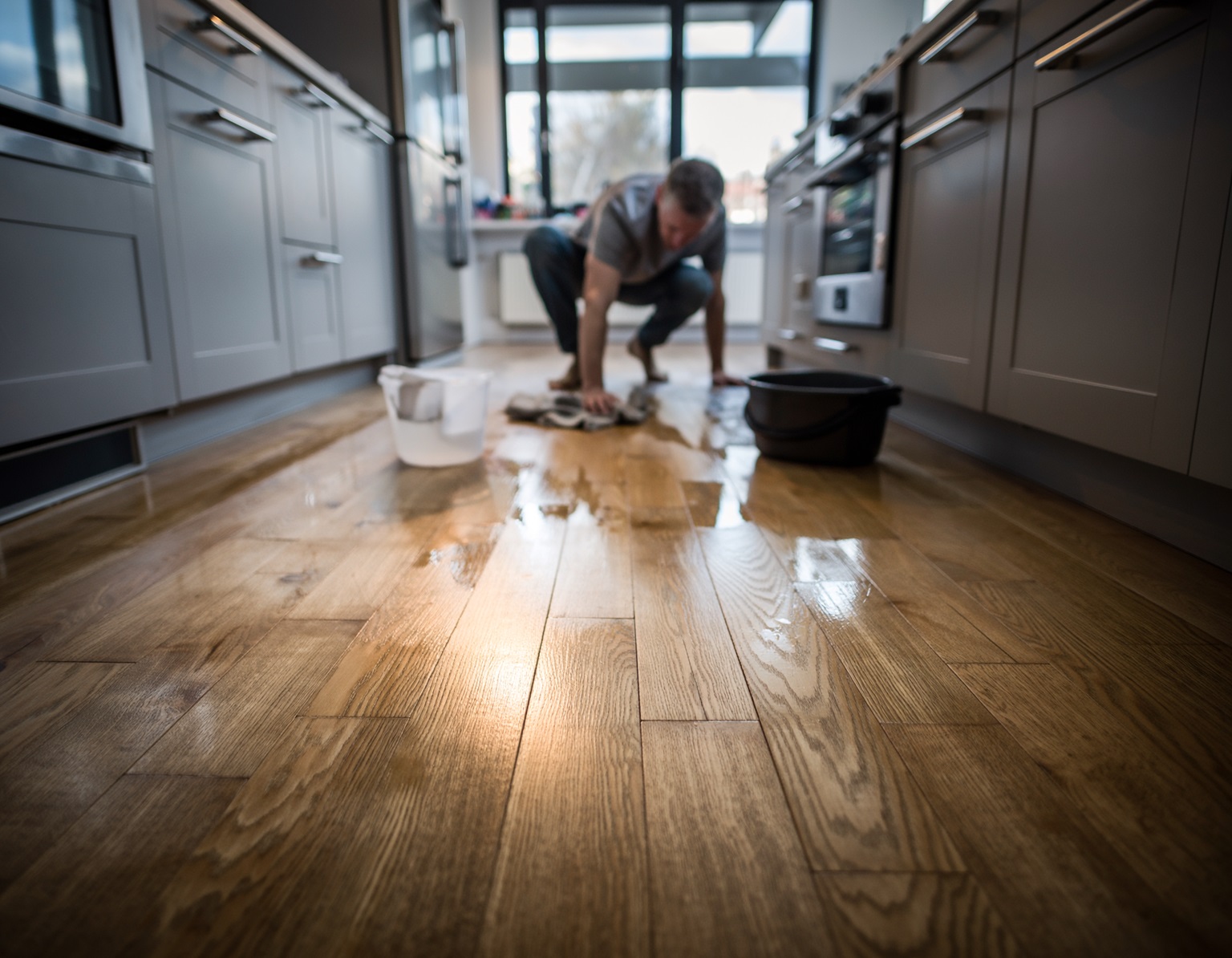
Every time a synthetic mop head hits a floor or a polyester cloth wipes down a surface, it sheds microscopic plastic fibres. These fragments – smaller than 5mm and often invisible to the naked eye – wash down drains, bypass filtration systems, and accumulate in waterways. Microplastic pollution cleaning isn’t just an environmental talking point. It’s a daily reality for anyone running a commercial cleaning operation or maintaining a home with standard synthetic supplies.
Weskleen Supplies has tracked this issue across thousands of client sites. The evidence is clear: conventional cleaning products contribute significantly to microplastic pollution, but the solutions don’t require abandoning efficiency or professional results.
What Makes Cleaning Equipment a Microplastic Source
Synthetic fibres dominate the cleaning industry. Polyester mop heads, nylon brushes, and polypropylene cloths are cheap, durable, and effective. They’re also plastic. Each use generates friction, and friction breaks down fibres into smaller particles.
A 2019 study published in Environmental Science & Technology found that a single polyester garment can release over 700,000 microfibres per wash. Cleaning equipment undergoes far more aggressive mechanical stress. Mop heads scrubbing tile grout or brushes working into carpet pile shed at even higher rates.
Here’s what happens during a typical commercial cleaning shift:
- Mop heads drag across rough surfaces for hours
- Vacuum brushes rotate at high speeds against abrasive flooring
- Scrubbing pads compress and flex repeatedly under mechanical pressure
- All these actions break polymer chains, releasing fragments into wash water
The particles are too small for standard wastewater treatment. They pass through municipal systems and enter rivers, oceans, and eventually the food chain. Marine biologists have found microplastics in fish tissue, seabirds, and even human blood samples.
The Real Cost of Synthetic Cleaning Materials
A facility manager at a Perth shopping centre once asked us why their floor polishing pads wore out so quickly. The pads were budget polyester blends, replaced every three weeks. We calculated the waste: 52 pads per year, each contributing thousands of microfibres to the drainage system.
That’s one site. Scale it across an entire city’s worth of offices, schools, hospitals, and retail spaces. The volume becomes staggering.
But microplastic pollution cleaning isn’t just about environmental impact. There’s a financial angle. Cheap synthetic materials wear faster, require frequent replacement, and often deliver inconsistent results. A polyester mop head might cost $8, but if you’re replacing it monthly instead of quarterly, you’re spending more and generating more waste.
Quality matters. Natural fibre alternatives and durable synthetic blends designed for longevity reduce both pollution and operating costs.
Natural Fibre Alternatives That Actually Work
Cotton mop heads have been around for decades. They’re biodegradable, effective on most surfaces, and don’t shed plastic particles. So why doesn’t everyone use them?
The perception is that natural fibres can’t match synthetic performance. That’s partly true for cheap cotton products, which lose absorbency after a few washes and leave lint behind. But professional-grade cotton and microfibre blends are a different story.
We supply dust control mops with cotton fringe that outperform polyester equivalents in dust capture. The fibres create static naturally, attracting particles without chemical treatments. They’re washable up to 100 times when properly maintained.
Here’s what works in real-world applications:
- Cotton loop mops for general floor cleaning in low-traffic areas
- Bamboo fibre cloths for streak-free glass and surface wiping
- Hemp-blend scrubbing pads for tough stains without scratching
Natural fibres do require different care. They need thorough drying to prevent mildew, and hot water washing to maintain hygiene standards. But the trade-off is worth it: zero microplastic contribution and genuine biodegradability.
A cafe owner in Fremantle switched to cotton mop heads after noticing synthetic fibres clogging their grease trap. Six months later, maintenance costs dropped and the mops were still performing. That’s the kind of practical outcome that drives adoption.
Microfibre: The Complicated Middle Ground
Microfibre cloths revolutionised cleaning. Their split polyester and polyamide fibres create microscopic hooks that trap dirt, grease, and bacteria without chemicals. They’re the industry standard for hospitals, food service, and anywhere hygiene matters.
They’re also a major source of microplastic pollution.
A single microfibre cloth can release 1,900 fibres per wash, according to research from Plymouth University. Multiply that across a commercial cleaning company washing hundreds of cloths daily, and the numbers become uncomfortable.
But here’s the nuance: not all microfibre is created equal. Cheap products shed more. Poorly constructed cloths with loose fibres break down faster and release more particles. High-quality microfibre, properly maintained, lasts longer and sheds less.
We’ve tested this with our own inventory. The Enduro microfibre mop head uses tightly woven polyester with reinforced edges. After 50 wash cycles, it shows minimal fibre loss compared to budget alternatives. It costs more upfront, but durability reduces both replacement frequency and environmental impact.
If you’re committed to microfibre for its cleaning performance, focus on these factors:
- Tight weave density (measured in GSM – look for 300+ grams per square metre)
- Reinforced stitching at edges and attachment points
- Proper washing protocols (cold water, no fabric softener, air dry when possible)
Some operations are installing filtration systems on washing machines to capture microplastic fibres before they enter wastewater. The Guppyfriend Washing Bag is one example – a mesh bag that traps fibres during the wash cycle. It’s not a perfect solution, but it reduces discharge by up to 86%.
Equipment Design That Minimises Pollution
The Polystar Orbital Floor Scrubber uses multi-directional force to clean without aggressive abrasion. Less friction means less fibre breakdown. It’s designed for longevity – commercial-grade motors, replaceable parts, and a build quality that lasts a decade with proper maintenance.
Compare that to disposable cleaning tools. Single-use mop pads, throwaway dusters, and cheap vacuum attachments might seem convenient, but they’re environmental disasters and false economies.
Here’s what to look for in equipment that reduces microplastic pollution:
Durable Construction
Machines built with metal housings and replaceable components last longer. A floor scrubber in Perth that runs for 15 years generates far less waste than three machines replaced every five years.
Replaceable Parts
The Pacvac Superpro 700 Backpack Vacuum allows you to replace filters, brushes, and belts individually. When a component fails, you swap it out instead of discarding the entire unit. This modular approach extends equipment life and reduces plastic waste.
Low-Friction Design
Brushes and pads that clean effectively without excessive abrasion shed fewer particles. Soft polymer blends and natural bristle options exist for most applications. They cost more initially but prove cheaper over time.
Cordless Battery Systems
The Pacvac Superpro 700 Battery Kit eliminates disposable batteries. Four rechargeable lithium cells last thousands of cycles. That’s thousands of alkaline batteries kept out of landfills, along with their plastic casings.
Chemical Choices That Complement Low-Plastic Strategies
Concentrated cleaners reduce packaging waste. A 5-litre container of Mr. Bean All-Purpose Cleaner replaces dozens of single-use spray bottles. Mix it at the correct dilution ratio, and one bottle handles months of cleaning across multiple sites.
But concentration isn’t the only factor. Biodegradable formulations break down naturally without leaving persistent chemical residues. They’re safer for waterways and won’t contribute to the chemical cocktail that often accompanies microplastic pollution.
The Comet Foaming Cleaner & Sanitiser uses a phosphate-free formula that meets environmental standards without sacrificing disinfection power. It’s designed for high-hygiene areas – kitchens, bathrooms, healthcare facilities – where sanitation can’t be compromised.
Pairing effective chemicals with low-shedding tools creates a system. Use a durable microfibre cloth with a concentrated, biodegradable cleaner, and you’ve minimised both plastic pollution and chemical impact.
Practical Maintenance That Extends Equipment Life
A school custodian once complained that their mop heads were falling apart after two weeks. We asked about their washing routine. They were using hot water with bleach, then machine drying on high heat. The aggressive treatment was destroying fibres prematurely.
Proper maintenance isn’t complicated, but it requires consistency:
- Rinse tools immediately after use to prevent dirt from setting into fibres
- Wash in cold or warm water (hot water degrades synthetic and natural fibres faster)
- Skip fabric softener – it coats fibres and reduces absorbency
- Air dry when possible, or use low heat in a dryer
- Hang mop heads to dry completely between uses
- Store brushes bristle-up to maintain shape
- Keep equipment in ventilated areas to prevent mildew
- Check for loose fibres, frayed edges, or worn patches
- Replace components before they fail completely
- Track replacement intervals to identify patterns and improve purchasing decisions
The 16L Mop Bucket with a wringer attachment extends mop life by removing excess water before storage. It’s a small detail that prevents mildew and fibre degradation.
Rethinking Disposable Cleaning Products
Single-use wipes dominate convenience cleaning. They’re fast, require no equipment, and eliminate cross-contamination concerns. They’re also plastic-laden waste generators.
Most disposable wipes contain polyester or polypropylene fibres bonded with plastic resins. They don’t biodegrade. Even “flushable” wipes cause sewage system blockages and contribute to microplastic pollution when they eventually break down.
A hospital cleaning manager in Perth calculated that their facility used 12,000 disposable wipes monthly. That’s 144,000 wipes per year, each containing plastic fibres and headed for landfill or incineration. We helped them transition to reusable microfibre cloths with a colour-coded system for different areas. First-year savings: $8,400. Waste reduction: 98%.
The Cleaning Hand Caddy organises reusable tools for quick access. It holds spray bottles, cloths, and brushes in a portable carrier that moves from room to room. Efficiency doesn’t require disposability.
High-Reach Cleaning Without Plastic Waste
Extension poles seem like a minor detail until you calculate how many disposable dusters and single-use pads attach to them. The Ettore 5.5m Extension Pole pairs with reusable attachments – squeegees, scrubbers, and washable microfibre sleeves.
A window cleaning contractor switched from disposable pole pads to washable sleeves. Over one year, they eliminated 2,000 disposable pads from their waste stream. The sleeves cost more initially but paid for themselves in four months.
The Ettore 3.6m Extension Pole offers similar benefits for lower ceilings and tighter spaces. Both poles use anodised aluminium construction – durable, lightweight, and fully recyclable at end of life.
Specialised Equipment That Reduces Chemical and Plastic Use
Steam cleaning eliminates chemical dependency entirely. The Steamvac HP Auto 2 Carpet Steamer uses superheated water vapour to break down dirt, kill bacteria, and lift stains. No detergents, no residues, and when paired with durable microfibre bonnets, minimal microplastic shedding.
A childcare centre replaced their chemical carpet cleaning routine with steam. Parents noticed the difference immediately – no lingering chemical smell, no sticky residues on children’s hands. The centre also reduced their plastic bottle waste by 60%.
The Medusa Battery-Powered Sweeper handles both carpets and hard floors without disposable bags. Its reusable dust container empties quickly and washes clean. Over its lifespan, it prevents hundreds of vacuum bags from entering landfills.
Adhesive Removal Without Excessive Scrubbing
Stubborn adhesive residue tempts people to scrub aggressively, which accelerates tool wear and microplastic shedding. The Goof Off Adhesive Remover dissolves glue, stickers, and tape residue chemically, allowing gentle removal with minimal friction.
A retail store manager used it to remove promotional decals from glass doors. Instead of scrubbing with abrasive pads (which would shed particles and scratch glass), they applied the remover, waited 60 seconds, and wiped clean with a reusable cloth. Zero scratches, zero microplastic contribution, and the cloth was washed and reused.
Floor Care That Protects and Preserves
The Long Life Timber Floor Polish creates a protective barrier that reduces cleaning frequency. Fewer cleaning cycles mean less tool wear, less water use, and less microplastic generation.
A heritage building manager applied it to original jarrah floors. The polish lasted six months before requiring reapplication, compared to monthly maintenance with inferior products. Reduced cleaning frequency cut microplastic pollution by 80% on that site.
Protection products aren’t just for aesthetics. They’re pollution prevention tools.
Hygiene Standards Without Compromise
Some argue that reducing plastic use compromises hygiene. That’s false. Natural fibres and durable synthetics meet the same sanitation standards as disposable alternatives when properly maintained.
The Oates Ergo Extra-Long Toilet Brush uses replaceable brush heads that last months. The extended handle reaches difficult areas without requiring harsh scrubbing. It’s more hygienic than cheap brushes that harbour bacteria in worn bristles.
Healthcare facilities use reusable microfibre systems extensively. Colour-coded cloths prevent cross-contamination, and industrial laundering at 60°C+ kills pathogens. The system works because quality tools and proper protocols deliver results.
Calculating Your Operation’s Microplastic Footprint
Most cleaning operations have no idea how much plastic they’re shedding. Here’s a rough calculation method:
- Count synthetic tools: Mop heads, cloths, brushes, pads
- Estimate replacement frequency: How often do you replace each item?
- Calculate annual volume: Tools × replacement frequency = yearly consumption
- Assess shedding potential: Each synthetic item sheds thousands of fibres per use
Example calculation:
- 12 mop heads (replaced quarterly) = 48 per year
- 200 microfibre cloths (replaced annually) = 200 per year
- 24 scrubbing pads (replaced monthly) = 288 per year
That’s 536 synthetic items annually, each shedding microplastics with every use. If each item sheds conservatively 1,000 fibres per use, and each item is used 50 times before replacement, that’s 26.8 million microplastic fibres entering wastewater from one building.
Now multiply that across every office, school, hospital, and retail space in a city. The scale becomes clear.
Building a Low-Pollution Cleaning System
Transitioning to lower-impact cleaning doesn’t happen overnight. Start with high-impact changes:
Phase 1: Replace Disposables
Swap single-use wipes and pads for reusable alternatives. This delivers immediate waste reduction and cost savings.
Phase 2: Upgrade High-Use Items
Replace cheap mop heads and cloths with durable, low-shedding alternatives. Focus on items used daily.
Phase 3: Invest in Quality Equipment
When machines need replacement, choose durable, repairable options. The upfront cost is higher, but lifecycle costs and environmental impact are lower.
Phase 4: Implement Maintenance Protocols
Train staff on proper cleaning and storage. Extend tool life and reduce premature replacement.
Phase 5: Measure and Adjust
Track replacement frequencies, costs, and waste volumes. Identify patterns and refine your approach.
A commercial cleaning company in Perth implemented this phased approach. Year one focused on eliminating disposable wipes. Year two upgraded mop heads and cloths. By year three, they’d reduced plastic consumption by 70% and operating costs by 15%. Environmental goals and business goals aligned.
Why This Matters Beyond Environmental Concerns
Microplastic pollution cleaning isn’t just about saving marine life (though that matters). It’s about building systems that work better and cost less over time.
Cheap synthetic tools break down quickly, perform inconsistently, and create hidden costs – frequent replacements, increased waste disposal, and potential reputational damage as clients become more environmentally conscious.
Benefits of quality, low-shedding alternatives:
- Longer service life (lower replacement costs)
- Consistent performance (better cleaning outcomes)
- Reduced waste (lower disposal costs)
- Environmental credentials (competitive advantage in tender processes)
Government contracts increasingly include environmental criteria. Schools, hospitals, and public facilities are prioritising suppliers with demonstrated sustainability practices. Reducing microplastic pollution isn’t just ethical – it’s becoming commercially necessary.
Practical Steps You Can Take Today
You don’t need to overhaul your entire operation immediately. Start with these actions:
- Audit your current tool inventory and identify the highest-volume synthetic items
- Research natural fibre alternatives or low-shedding alternatives for those specific items
- Test new products on a small scale before committing to bulk purchases
- Train staff on proper maintenance to extend tool life
- Track replacement frequencies and costs to measure improvement
If you’re unsure where to start, contact us for a site assessment. We’ll identify your highest-impact opportunities for reducing microplastic pollution without compromising cleaning performance.
The Long View on Cleaning and Pollution
A facilities manager once asked if switching to natural fibre mops would really make a difference. One building, one city – does it matter in the face of global plastic pollution?
It does. Not because one building will save the ocean, but because systems change through accumulated individual decisions. Every operation that reduces microplastic shedding influences suppliers, competitors, and clients. Standards shift. Expectations evolve. Markets respond.
The cleaning industry has changed dramatically in the past decade. HEPA filtration, green chemistry, and ergonomic design were once niche concerns. Now they’re standard expectations. Microplastic reduction is following the same trajectory.
Early adopters gain competitive advantages. They build expertise, refine processes, and establish reputations before the market demands it. When environmental standards tighten (and they will), they’re already compliant.
Quality as Pollution Prevention
The connection between quality and environmental impact isn’t obvious until you examine product lifecycles. Think of it like buying shoes: a cheap pair costs $50 but falls apart in six months, while quality boots cost $200 but last five years. The expensive option costs less per year and generates far less landfill waste.
This pattern repeats across cleaning equipment. A cheap mop head costs $8 and lasts six weeks. A quality alternative costs $24 and lasts six months. The expensive option costs less per use and generates 75% less waste.
The Polystar Orbital Floor Scrubber costs more than budget alternatives, but it’s built to last 15+ years. Cheaper machines fail in 3-5 years, requiring replacement and generating waste.
Quality isn’t a luxury. It’s a strategy for reducing costs and environmental impact simultaneously.
Moving Forward
Microplastic pollution from cleaning operations is significant, measurable, and reducible. The solutions don’t require sacrificing performance or accepting higher costs. They require rethinking purchasing decisions, valuing durability over disposability, and implementing maintenance practices that extend tool life.
Natural fibres, quality synthetics, durable equipment, and proper protocols form a system that works. It’s not theoretical. We’ve seen it implemented across hundreds of sites with consistent results: lower costs, better performance, and dramatically reduced plastic pollution.
The choice isn’t between environmental responsibility and operational efficiency. It’s between short-term convenience and long-term value. The operations that recognise this distinction are building better systems – for their businesses, their clients, and the environment.