


Blog
Sensory-Friendly Cleaning Products for NDIS Facilities

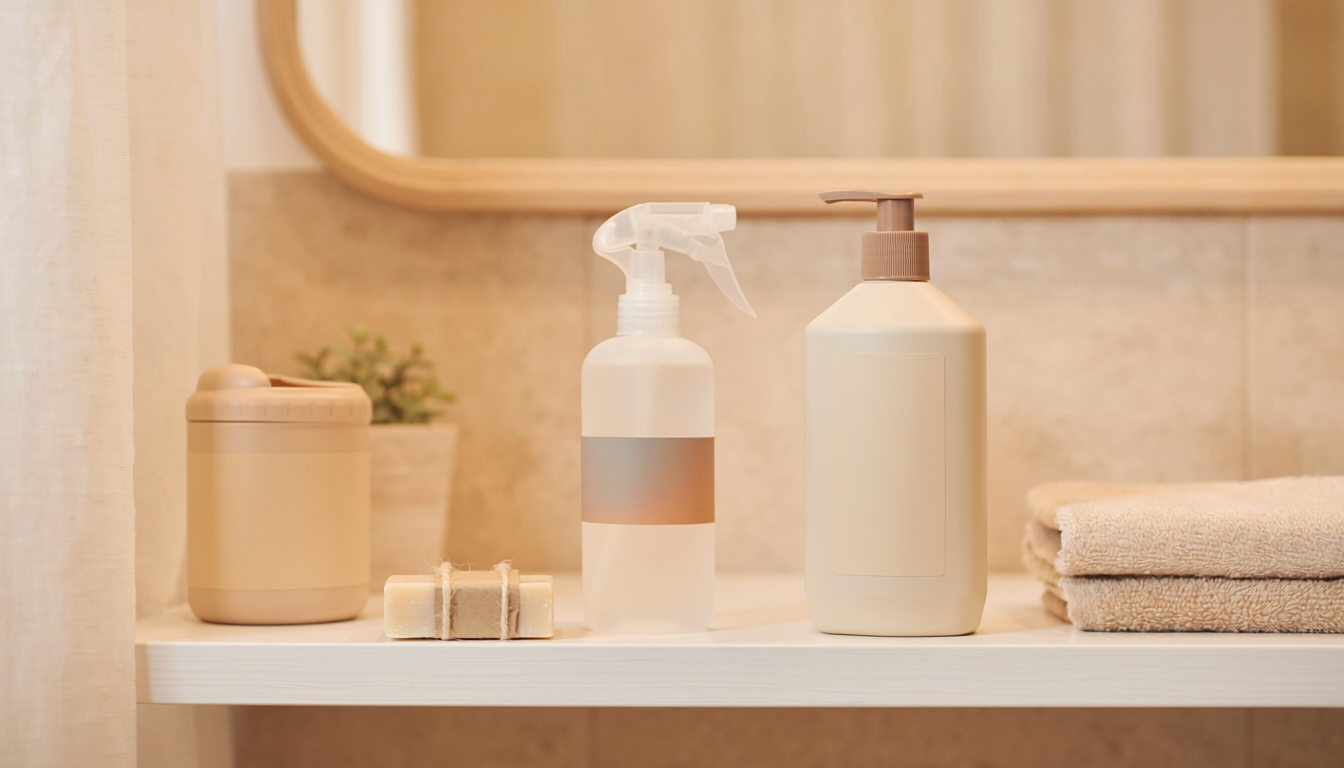
Creating a safe, comfortable environment in NDIS facilities isn’t just about cleanliness; it’s about deeply understanding how cleaning products affect people with sensory sensitivities. Strong chemical odours, harsh residues, and overpowering fragrances can trigger distress, anxiety, and physical discomfort for participants with autism, sensory processing disorders, or other disabilities. But how do you maintain hospital-grade hygiene without creating a sensory minefield?
Sensory-friendly cleaners have become essential tools for disability support providers who recognise that traditional cleaning products often create invisible barriers to comfort and wellbeing. The difference between a standard commercial cleaner and a sensory-appropriate one can mean the difference between a participant feeling safe in their space or experiencing genuine distress.
At Weskleen Supplies, we work with NDIS providers across Perth who have transformed their cleaning protocols to prioritise sensory comfort without compromising hygiene standards. The shift requires knowledge, but it’s simpler than most facility managers expect.
Understanding Sensory Sensitivities in NDIS Settings
People with sensory processing differences often experience the world more intensely than neurotypical individuals. What seems like a mild lemon scent to one person might feel overwhelming, even painful, to someone with heightened olfactory sensitivity. These reactions are often caused by chemical sensitivity triggers present in standard industrial products.
In NDIS facilities, participants usually cannot simply leave when they feel uncomfortable. This makes the choice of cleaning products a genuine welfare issue, not just a preference.
Common chemical sensitivity triggers from traditional cleaners include:
- Strong synthetic fragrances that linger for hours after cleaning.
- Harsh chemical odours like ammonia, bleach, or solvents.
- Sticky or tacky residues on surfaces that distress tactile-sensitive individuals.
- Products that leave visible streaks or films, creating visual noise.
- Aerosol sprays that create mist or airborne particles, affecting air quality.
Consider this: if you have ever walked past someone wearing overpowering perfume in a lift and felt trapped, you have experienced a fraction of what sensory-sensitive individuals face when harsh cleaners are used in their living spaces. Except they are dealing with it for hours, not seconds.
What Makes a Cleaner Truly Sensory-Friendly
Not every product labelled “gentle” or “natural” qualifies as sensory-appropriate. We have seen facilities switch to products marketed as eco-friendly only to discover they still trigger reactions due to essential oil fragrances or botanical extracts.
Genuine sensory-friendly cleaners share these specific characteristics:
- Fragrance-free formulation: Not just “unscented” with masking agents, but truly no added scent.
- Low-residue chemistry: Products that rinse clean without leaving tacky films.
- Minimal Volatile Organic Compounds (VOCs): Reduced airborne chemicals that affect air quality.
- pH-neutral or near-neutral: Gentler on skin contact and less likely to cause irritation.
- Clear, predictable application: No unexpected foaming, colour changes, or textures.
The chemistry matters here. A pH-neutral cleaner works similarly to how your skin’s natural pH protects it; it is effective without being aggressive. Harsh alkaline or acidic cleaners might cut through grime faster, but they also create stronger odours and require significantly more ventilation.
Selecting Products for Different Facility Areas
NDIS facilities have diverse cleaning needs across various spaces. A one-size-fits-all approach rarely works when you are balancing sensory comfort with strict hygiene requirements.
Common Areas and Living Spaces
These areas demand frequent cleaning but are also where participants spend most of their time. Surprisingly, complete silence in scent isn’t always the only answer. Mr. Bean 5L All-Purpose Cleaner offers a unique solution; its mild coffee scent is naturally derived and generally well-tolerated because it is familiar and food-based rather than chemically synthetic.
One NDIS group home manager in Joondalup told us about a participant who had previously shown significant distress during cleaning times. After switching to Mr. Bean, the participant began associating cleaning with the comforting smell of morning coffee rather than harsh chemicals. That is the kind of practical difference product selection makes.
For completely fragrance-free needs, dilutable neutral cleaners work best. They are cost-effective and allow staff to control concentration levels based on the soil load, minimising potential chemical sensitivity triggers.
High-Touch Surfaces and Disinfection
Door handles, light switches, and railings need regular sanitising, especially in shared facilities. This creates a challenge: effective sanitisers often have strong chemical odours.
Comet Foaming Cleaner & Sanitiser provides hospital-grade disinfection with a foaming action that allows precise application. The foam stays where you spray it rather than creating airborne mist, reducing inhalation risks. This is a prime example of low-odour disinfection that works effectively without dominating the room.
The key is application timing. Perform low-odour disinfection on high-touch areas during low-traffic periods, early morning or when participants are engaged in activities elsewhere. This allows surfaces to dry and any residual odour to dissipate before heavy use.
Bathroom and Hygiene Areas
Bathrooms require robust cleaning but also trigger the most sensory concerns. Traditional toilet cleaners often contain harsh acids with overwhelming fumes.
Mechanical action, the actual scrubbing, removes more soil than chemicals alone. This principle allows you to use gentler products when you have the right tools. Using ergonomic brushes paired with a gentle, fragrance-free toilet cleaner allows thorough mechanical cleaning without relying solely on harsh chemicals.
Floor Maintenance Protocols
Floors present a particular challenge because cleaning solutions can linger in the air as they dry, and residues affect how surfaces feel underfoot.
Microfibre dust control should be your first line of defence. Regular dry mopping with high-quality fringe mops removes the majority of dust and debris without introducing any chemicals whatsoever.
When wet mopping is necessary, use minimal solution. An Enduro Microfibre Mop Head requires far less cleaning solution than traditional cotton mops because the microfibre structure does more of the cleaning work mechanically.
For facilities with vinyl or sealed concrete floors, periodic deep cleaning with equipment like the Polystar Orbital Floor Scrubber removes ground-in dirt that daily mopping misses. The orbital action provides thorough cleaning with less chemical dependency, and the machine’s extraction system removes the solution rather than leaving it to air-dry.
The Role of Equipment in Reducing Chemical Dependency
Professional-grade equipment often allows you to reduce cleaning chemical usage significantly. This benefits everyone, but it is particularly valuable in sensory-sensitive environments.
Using quiet cleaning equipment is vital for auditory sensitivity. The Pacvac Superpro 700 Backpack Vacuum removes dust and allergens with HEPA filtration, reducing the need for chemical dust control products. Its backpack design allows efficient cleaning without the dragging noise of canister vacuums.
For facilities prioritising cordless operation to reduce trip hazards and increase manoeuvrability, battery kits provide the same performance without cords. The included batteries ensure you can clean an entire facility without interruption.
Carpet cleaning machines that use hot water extraction deep-clean carpets with minimal chemical additives. The heat and mechanical action do most of the work, and the extraction system removes both soil and cleaning solution. This matters because carpets can trap odours from cleaning products for days. A thorough extraction process prevents this accumulation.
Building a Sensory-Friendly Cleaning Protocol
Product selection is only half the equation. How and when you clean matters just as much as what you clean with.
Timing and Communication
Never surprise participants with unexpected cleaning. Establish predictable schedules so individuals can anticipate when cleaning will occur. Visual schedules work particularly well, simple picture charts showing which areas will be cleaned at which times.
Some facilities use a “cleaning in progress” sign system that participants learn to recognise. It is not about restricting access, but about providing advance notice that the sensory environment in that space might temporarily change.
Application Techniques
Spray bottles can be problematic; the mist travels, creating airborne chemical sensitivity triggers and unpredictable sensory input. Instead, spray products onto cleaning cloths away from participants, then wipe surfaces.
A caddy keeps all supplies organised and contained. This prevents the visual clutter of multiple bottles and reduces the likelihood of spills or accidents that create strong odours.
Addressing Specific Cleaning Challenges
Some cleaning situations seem to demand harsh chemicals, but alternatives usually exist.
Adhesive and Sticker Residue
Removing tape residue, sticker backing, or adhesive marks typically involves strong solvents. The key is spot application in well-ventilated areas, away from participants. Apply to a cloth in an outdoor area or utility room, then bring the treated cloth to the affected surface. This contains the strong solvent odour to a small area rather than spraying it throughout living spaces.
Hard Floor Debris and Dust
Between scheduled cleaning sessions, small debris and dust accumulate. Using quiet cleaning equipment like battery-powered sweepers provides quick spot-cleaning without introducing any chemicals whatsoever.
Its lightweight design means support workers can quickly address spills or tracked-in dirt without waiting for scheduled cleaning times. This prevents the build-up that would otherwise require stronger chemicals to address, maintaining effective microfibre dust control standards.
Balancing Infection Control with Sensory Comfort
NDIS facilities must meet infection control standards, particularly in the current health landscape. This does not have to conflict with sensory-friendly practices.
The Australian Guidelines for the Prevention and Control of Infection in Healthcare specify that cleaning must be “fit for purpose”, meaning appropriate to the level of risk. Not every surface requires hospital-grade disinfection.
Risk-based cleaning protocols work like this:
- Low-risk areas (participant bedrooms, lounges): Regular cleaning with pH-neutral, sensory-friendly cleaners.
- Medium-risk areas (shared bathrooms, kitchens): Regular cleaning plus periodic sanitising with low-odour disinfection products.
- High-risk situations (bodily fluid spills, illness outbreaks): Targeted use of stronger disinfectants with proper isolation and ventilation.
Prioritising Participant Comfort
Sensory-friendly cleaning in NDIS facilities is not about perfection; it is about respect. It recognises that participants deserve environments where they feel comfortable and safe, not constantly on edge from overwhelming sensory input.
The products you choose, the equipment you invest in, and the protocols you implement all communicate your facility’s values. When you prioritise sensory comfort alongside cleanliness, you acknowledge that hygiene is not just about eliminating germs, it is about creating spaces where people can thrive.
Starting with sensory-friendly cleaners and proper application techniques creates immediate improvements. Adding professional equipment that reduces chemical dependency takes your approach further. If you are unsure where to start or need guidance on product selection for your specific facility, contact us to discuss your requirements. We have helped dozens of NDIS providers transition to sensory-friendly cleaning without compromising hygiene standards or exceeding budgets.