


Blog
The Next Generation of Disinfectants: Beyond Bleach and Alcohol

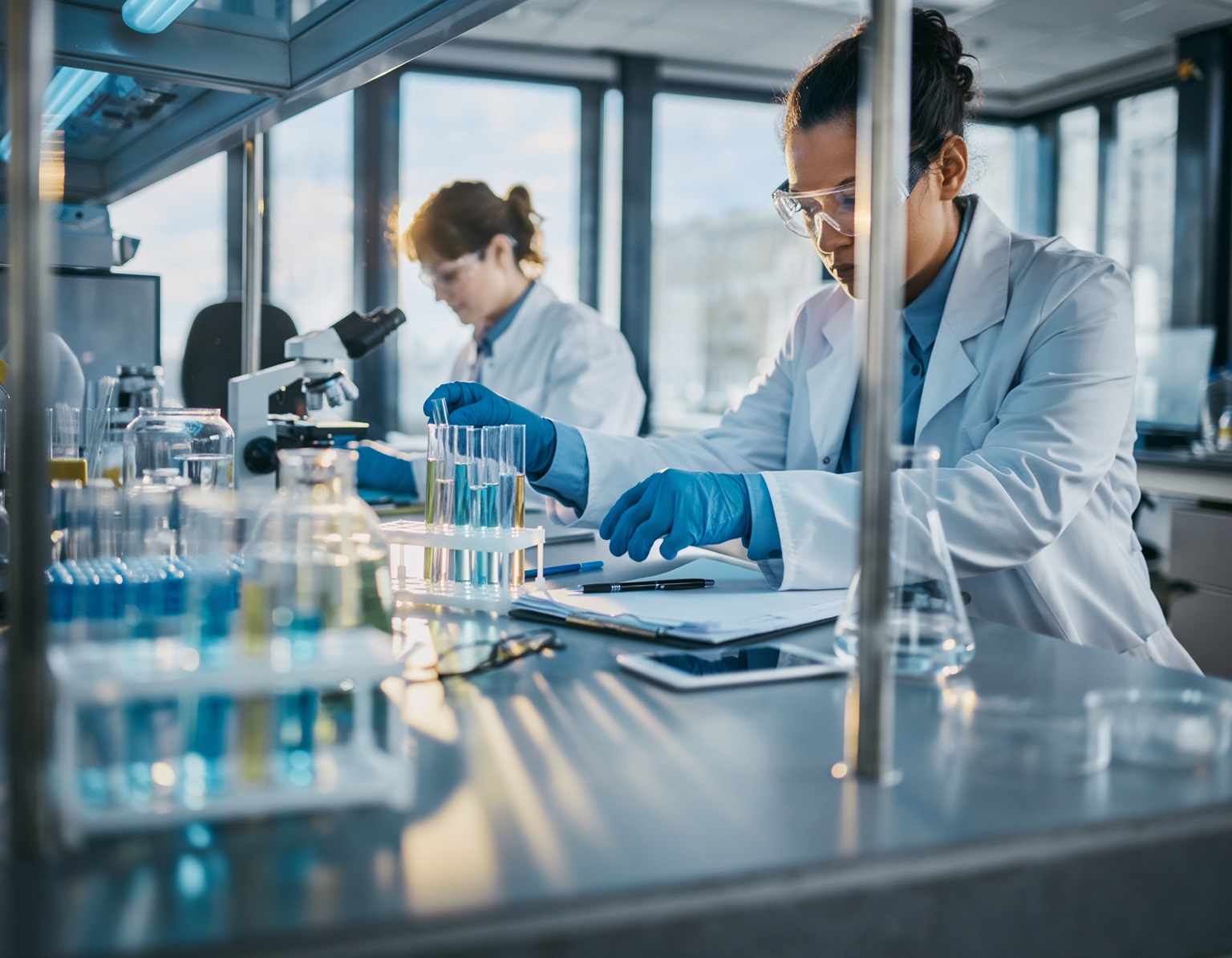
For decades, bleach and alcohol have dominated the disinfection conversation. They’re familiar, they’re accessible, and they’ve built a reputation for killing germs quickly. But professional cleaning operations and discerning homeowners are increasingly looking beyond these traditional options, not because bleach and alcohol don’t work, but because they come with limitations that newer chemistries can address more effectively.
Advanced disinfectants cleaning solutions represent a significant shift in how we approach surface sanitisation. These newer formulations balance efficacy with safety, material compatibility, and ease of use in ways that traditional products struggle to match. We’ve seen this evolution firsthand through the products that commercial clients now specify for their facilities – products that wouldn’t have existed in mainstream cleaning protocols even a decade ago.
The conversation isn’t about replacing every bottle of bleach in your supply cupboard. It’s about understanding when alternative chemistries deliver better outcomes for specific applications, and why an expanding toolkit makes sense for anyone serious about maintaining hygienic environments.
Why Traditional Disinfectants Show Their Age
Bleach solutions excel at killing a broad spectrum of pathogens, but they also corrode metal fixtures, degrade fabrics, and release chlorine vapours that irritate respiratory systems. In a hospital ward or aged care facility where surfaces need repeated daily disinfection, these drawbacks accumulate quickly. Staff develop skin sensitivities. Stainless steel equipment pits and discolours.
The distinctive smell lingers in enclosed spaces long after application.
Alcohol-based disinfectants evaporate rapidly, which sounds convenient until you realise that rapid evaporation reduces contact time. Many pathogens require sustained contact with a disinfectant to be effectively neutralised. Alcohol also dries out skin with repeated use and poses fire hazards when stored in quantity – a genuine concern for commercial operations managing bulk supplies.
These aren’t theoretical problems. A facilities manager at a Perth childcare centre once described how daily bleach mopping left their vinyl flooring visibly degraded within eighteen months. The floor hadn’t worn out from foot traffic; it had been chemically compromised by the very product meant to keep it sanitary.
That’s the sort of false economy that drives the search for better alternatives.
Material Compatibility Matters
Material compatibility matters as much as microbial efficacy when you’re maintaining surfaces worth thousands of dollars. The best disinfectant is useless if it destroys what it’s meant to protect. This realisation has driven commercial facilities toward advanced disinfectants cleaning approaches that preserve asset value while maintaining hygiene standards.
Consider the cumulative effect of harsh chemicals on expensive gym equipment, medical devices, or commercial kitchen surfaces. Each application might cause minimal damage, but over hundreds or thousands of cleaning cycles, that damage becomes visible, measurable, and costly. Surface finishes dull. Protective coatings break down. Equipment fails prematurely.
The initial savings from using cheap, harsh disinfectants evaporate when you’re replacing damaged equipment years ahead of its expected lifespan. Forward-thinking facility managers calculate the total cost of their disinfection program, not just the per-litre price of the chemicals they buy.
The Chemistry Behind Modern Alternatives
Quaternary ammonium compounds (quats) represent one of the most widely adopted alternatives to traditional disinfectants. These positively charged molecules disrupt the negatively charged cell membranes of bacteria and enveloped viruses, causing the cellular contents to leak out. It’s a mechanical kill rather than a chemical burn, which makes quats significantly gentler on surfaces while maintaining strong antimicrobial properties.
Quats don’t corrode metal, they’re largely odourless, and they leave a residual antimicrobial layer on surfaces that continues working after application. This residual effect means surfaces stay protected between cleaning cycles – something bleach and alcohol simply can’t offer because they evaporate or break down too quickly.
However, quats aren’t perfect for every situation. They’re less effective against non-enveloped viruses and can leave a slight film on surfaces if over-applied. Understanding these nuances helps you deploy them where they excel: high-touch surfaces in offices, schools, and retail environments where residual protection adds genuine value.
Hydrogen Peroxide Formulations
Hydrogen peroxide-based disinfectants have gained traction as another alternative, particularly in healthcare settings. Unlike bleach, hydrogen peroxide breaks down into water and oxygen, leaving no harmful residues. It’s effective against a broad spectrum of pathogens, including bacterial spores, which many other disinfectants struggle to address.
The accelerated hydrogen peroxide formulations now available work faster than older versions, reducing the contact time needed for effective disinfection. We’ve seen these products specified increasingly in food preparation areas where residue concerns make bleach inappropriate and where the material safety of stainless steel equipment matters.
Think of hydrogen peroxide like a controlled demolition versus bleach’s sledgehammer approach. Both can bring down the target, but one does it with precision while minimising collateral damage to everything around it. That precision matters when you’re disinfecting surfaces multiple times daily over years of operation.
Stabilised hydrogen peroxide formulations have addressed the historical challenges of using peroxide-based products. Earlier versions broke down quickly during storage, losing effectiveness before you could use them. Modern stabilisers extend shelf life dramatically while maintaining the environmental advantages that make hydrogen peroxide attractive in the first place.
What Makes a Disinfectant “Advanced”
The term gets thrown around loosely, but genuinely advanced disinfectants share specific characteristics that separate them from conventional options. They deliver proven antimicrobial efficacy while minimising the trade-offs that come with older chemistries. But what defines “professional-grade” in this context?
Targeted pathogen control stands out as a defining feature. Rather than relying on brute-force oxidation like bleach, modern formulations use mechanisms designed to disrupt specific microbial structures. This precision allows for lower concentrations of active ingredients while maintaining effectiveness – a meaningful advantage when you’re concerned about environmental impact or occupational exposure.
Surface compatibility represents another crucial advancement. Products like Comet Foaming Cleaner & Sanitiser demonstrate how modern formulations can disinfect without the corrosive effects of traditional options.
This matters enormously in settings with expensive equipment or delicate finishes that can’t tolerate harsh chemicals.
Real-World Performance Differences
Consider the difference between disinfecting a commercial kitchen’s stainless steel prep tables with bleach versus a pH-neutral quaternary ammonium product. The bleach might kill pathogens marginally faster, but over hundreds of applications, it will dull the finish and compromise the metal’s protective oxide layer. The quat-based product maintains the surface integrity while delivering reliable disinfection – a better long-term outcome by any practical measure.
Reduced occupational hazards distinguish advanced formulations from their predecessors. Products that don’t release harsh vapours, don’t require extensive PPE for safe handling, and don’t cause skin irritation with repeated exposure make life easier for the people doing the actual cleaning work.
This isn’t just about comfort; it’s about compliance with workplace safety regulations and reducing the hidden costs of staff turnover in cleaning operations.
Environmental profile has become a key differentiator as sustainability moves from optional to expected. Advanced disinfectants cleaning products that biodegrade readily, don’t accumulate in waterways, and reduce packaging waste through concentrated formulations align with both regulatory requirements and client expectations. Weskleen Supplies has seen this shift firsthand as commercial tender documents increasingly require environmental credentials alongside antimicrobial performance data.
Matching Disinfectants to Applications
The right disinfectant choice depends entirely on what you’re trying to accomplish and where you’re working. A hospital operating theatre has different requirements than a restaurant dining room, which differs again from an office reception area. Understanding these distinctions prevents both over-specification (using hospital-grade products where they’re unnecessary) and under-specification (choosing products that can’t handle the microbial load).
High-risk healthcare environments demand disinfectants with proven efficacy against the most resistant pathogens, including bacterial spores and non-enveloped viruses. Hydrogen peroxide-based products or peracetic acid formulations typically meet these requirements.
The Australian Register of Therapeutic Goods (TGA) maintains standards for disinfectants used in medical settings, and compliance with these standards isn’t optional – it’s a fundamental requirement.
Food Service Requirements
Food service and preparation areas require disinfectants that won’t leave toxic residues on surfaces that contact food. Many modern formulations specifically address this need with food-safe certifications. These products must balance antimicrobial effectiveness with the reality that residues might end up in someone’s meal, which rules out many traditional options.
A café owner in Subiaco switched from bleach to a food-safe quaternary ammonium sanitiser after realising that the bleach smell was transferring to pastries stored near the prep area. The quat-based product delivered equivalent pathogen control without the odour transfer, solving both a hygiene concern and a product quality issue simultaneously. She hadn’t realised how much the chemical smell was affecting her baked goods until customers started commenting on the improvement.
General commercial and residential cleaning offers the most flexibility in product choice. For these applications, factors like ease of use, material compatibility, and cost often weigh as heavily as pure antimicrobial power. This is where products like Mr. Bean 5L All-Purpose Cleaner find their place – versatile formulations that handle everyday cleaning while providing adequate disinfection for normal pathogen loads.
Educational facilities present unique challenges that fall somewhere between healthcare and general commercial settings. Schools and childcare centres need products effective enough to control the pathogens that spread rapidly among children, but safe enough that incidental exposure won’t cause harm. Advanced disinfectants cleaning formulations designed specifically for educational settings balance these requirements better than repurposed hospital or industrial products.
Contact Time and Concentration Matter
Even the best disinfectant fails if used incorrectly, and the two most common errors involve contact time and concentration. Contact time refers to how long the disinfectant must remain wet on the surface to achieve its claimed kill rate. This isn’t negotiable – cutting contact time cuts effectiveness proportionally or worse.
Different pathogens require different contact times. Bacteria might die within 30 seconds, but viruses could need several minutes, and bacterial spores might require ten minutes or more. Product labels specify these times based on rigorous testing, and ignoring them means you’re not actually disinfecting, just wetting surfaces with expensive chemistry.
The temptation to rush is understandable. Commercial cleaners work on tight schedules, and waiting for proper contact time feels inefficient. But spraying and immediately wiping creates theatre hygiene, not actual hygiene. Surfaces look clean without being properly disinfected – the worst outcome because it creates false confidence.
Dilution and Concentration
Concentration follows similar logic. More isn’t better, and neither is less. Manufacturers test their products at specific dilution ratios and demonstrate effectiveness at those concentrations. Deviating from specified dilutions – whether making solutions stronger or weaker – compromises performance in ways that aren’t immediately obvious but become apparent when infection rates don’t improve as expected.
Concentrated products require accurate dilution systems. Eyeballing measurements might seem adequate, but the variation between operators and over time creates inconsistent results. Commercial operations increasingly use automated dilution systems that ensure every bottle mixed matches the specified concentration exactly. The investment pays for itself through reduced product waste and consistent performance.
Pre-diluted ready-to-use products eliminate dilution errors but cost more per application. The choice between concentrated and ready-to-use formats depends on operation size, staff training levels, and how much control you need over costs versus convenience. Large facilities with trained staff generally favour concentrates; smaller operations or those with high staff turnover often find ready-to-use products more reliable.
Environmental and Safety Considerations
We’ve noticed a marked shift in what commercial clients specify for their operations. Five years ago, environmental considerations were an afterthought. Now they’re often the deciding factor between products with comparable antimicrobial performance. This isn’t just corporate virtue signalling – it reflects genuine regulatory pressure and the reputational risks of being associated with environmentally harmful practices.
Biodegradability has become a standard requirement in many tender specifications. Products that break down into harmless components after use reduce the environmental burden of cleaning operations without compromising hygiene. Advanced disinfectants cleaning formulations increasingly incorporate biodegradable surfactants and active ingredients that don’t persist in waterways or accumulate in ecosystems.
Aquatic toxicity matters more than many people realise. Disinfectants that enter waterways through facility drains can harm aquatic life even at low concentrations. Products designed with low aquatic toxicity reduce this impact while maintaining the surface-level effectiveness needed for proper sanitisation.
Occupational Safety Evolution
Occupational safety considerations have similarly evolved. Products that don’t require respirators, don’t cause skin burns, and don’t release irritating vapours reduce the barriers to proper use. When a disinfectant requires extensive PPE, workers often cut corners to avoid the inconvenience – which defeats the purpose entirely.
A slightly less aggressive product that actually gets used correctly delivers better outcomes than a powerful one that’s misapplied or avoided.
The Weskleen Supplies range increasingly reflects this balance between effectiveness and usability. Products that deliver professional-grade results without requiring professional-grade safety precautions make sense for both commercial operations and residential users who want hospital-quality hygiene without hospital-level hazards.
Volatile organic compound (VOC) content affects both environmental impact and indoor air quality. Traditional disinfectants often contain high levels of VOCs that contribute to air pollution and can cause respiratory irritation in enclosed spaces. Low-VOC formulations reduce these issues while maintaining antimicrobial effectiveness, making them particularly suitable for schools, hospitals, and residential settings where air quality matters.
Application Methods That Maximise Effectiveness
Even the most advanced disinfectant fails if applied incorrectly. The method of application affects coverage, contact time, and ultimately the product’s real-world effectiveness. Understanding these practical considerations matters as much as choosing the right chemistry.
Spray-and-wipe remains the most common application method, but it’s also the most frequently misapplied. The tendency is to spray lightly and wipe immediately, which provides neither adequate product coverage nor sufficient contact time. Proper technique requires saturating the surface, allowing the full contact time to elapse, and only then wiping away excess product.
For large floor areas, mopping with properly diluted disinfectant solutions offers better coverage than spray methods. However, the mop itself becomes a vector for spreading pathogens if not properly maintained.
Using clean mop heads and changing solutions regularly prevents the common problem of redistributing contamination rather than removing it.
Innovative Application Technologies
Foaming disinfectants represent an interesting innovation that addresses the contact time problem directly. The foam clings to vertical surfaces and remains visible while wet, making it easy to verify that adequate contact time has been achieved. We’ve seen these products gain popularity in food service environments where visual confirmation of proper disinfection matters for both hygiene and compliance purposes.
Electrostatic sprayers have emerged as a high-tech application method that uses electrical charges to make disinfectant droplets wrap around and coat surfaces evenly. This technology delivers superior coverage with less product waste, though the equipment cost makes it more appropriate for large commercial operations than residential use. The charged droplets actually seek out surfaces rather than just landing where they’re sprayed – it’s almost science fiction made practical.
The simplest application improvement most people can make is just slowing down. Effective disinfection isn’t about speed – it’s about thoroughness and proper technique. Rushing through the process with an advanced disinfectant delivers worse results than taking your time with a basic one. This realisation often comes as a revelation to commercial cleaners accustomed to working against the clock.
Pre-moistened disinfectant wipes offer convenience for small areas and high-touch surfaces, but they come with limitations. Each wipe has a finite amount of disinfectant, which means it can only effectively disinfect a limited surface area before it’s essentially just spreading moisture. Overextending wipes reduces their effectiveness dramatically – a common mistake in both commercial and residential settings.
The Economics of Switching Products
Cost comparisons between traditional and advanced disinfectants often focus narrowly on per-litre pricing, which misses the broader economic picture. A more expensive product that requires less frequent application, causes less surface damage, and reduces occupational health issues can easily prove more economical over time.
Consider the true cost of using bleach in a commercial facility. The product itself is cheap, but you’re also paying for accelerated replacement of damaged fixtures and surfaces, higher ventilation costs to manage chlorine vapours, increased PPE requirements for safe handling, potential occupational health claims from staff exposure, and the labour cost of more frequent reapplication due to poor residual activity.
When you account for these hidden costs, a quaternary ammonium or hydrogen peroxide product that costs three times as much per litre might actually reduce total cleaning costs by 20% or more. We’ve seen this pattern repeatedly with commercial clients who initially resist switching due to sticker shock but become advocates once they experience the full operational impact.
Calculating True Cost
Dilution ratios significantly affect the practical cost of concentrated products. A 5-litre concentrate that dilutes at 1:100 yields 500 litres of working solution – suddenly the per-use cost looks very different from the purchase price. Products like the Mr. Bean 5L All-Purpose Cleaner demonstrate how concentrated formulations deliver professional results at reasonable costs when properly diluted.
The economics shift further when you consider labour efficiency. Products with shorter contact times or that don’t require multiple rinse steps reduce the time needed per surface, which translates directly to labour cost savings in commercial operations. A product that costs 30% more but reduces cleaning time by 20% delivers net savings in any operation where labour represents the dominant cost – which is virtually every cleaning operation in Australia’s current wage environment.
Material lifespan extension represents another often-overlooked economic factor. Surfaces and equipment that last years longer because they weren’t degraded by harsh chemicals represent substantial value that doesn’t appear in quarterly cleaning budgets but shows up dramatically in capital replacement schedules. A stainless steel sink that lasts 15 years instead of 10 because it wasn’t corroded by bleach saves far more than the incremental cost of gentler disinfectants.
Regulatory Compliance and Standards
In Australia, disinfectants used in healthcare and food service settings must meet specific regulatory standards. The Therapeutic Goods Administration (TGA) regulates disinfectants marketed for therapeutic use, while Food Standards Australia New Zealand (FSANZ) governs products used in food preparation areas. Understanding these regulatory frameworks prevents costly compliance failures that can shut down operations or trigger significant penalties.
Hospital-grade disinfectants must be listed on the Australian Register of Therapeutic Goods (ARTG) and demonstrate efficacy against specific test organisms under standardised conditions. This certification process ensures that products claiming hospital-grade performance actually deliver it – a crucial distinction when lives depend on effective infection control.
The TGA publishes detailed guidance on disinfectant testing and registration requirements, and these documents reveal just how rigorous the standards are. Products must demonstrate effectiveness against representative pathogens, maintain stability over their claimed shelf life, and prove safe for their intended use.
This regulatory oversight provides confidence that certified products will perform as advertised.
Food Safety Standards
Food-safe disinfectants face different but equally stringent requirements. These products must either break down into non-toxic components or be used in ways that prevent food contact with residues. FSANZ standards specify acceptable active ingredients and maximum residue levels, ensuring that disinfection practices don’t introduce chemical hazards while eliminating biological ones.
The complexity of navigating these regulatory requirements represents a genuine barrier for smaller operators who lack dedicated compliance staff. This is where working with knowledgeable suppliers becomes valuable – we frequently field questions about which products meet specific regulatory requirements for particular applications. Having that expertise readily available saves operators from costly specification mistakes.
Workplace health and safety regulations add another compliance layer. WorkSafe regulations in Western Australia specify requirements for chemical handling, storage, and use that affect disinfectant selection and procedures. Products that reduce the regulatory burden through lower toxicity or simpler handling requirements offer compliance advantages beyond their antimicrobial performance.
Staff Training and Proper Use
The best disinfectant in the world delivers poor results if staff don’t understand how to use it properly. Training requirements have evolved alongside product sophistication, and operators who invest in proper staff education see measurably better hygiene outcomes than those who assume cleaning skills are innate or that products work regardless of technique.
Understanding contact time requirements represents the single most important training element. Staff need to know that the specified contact time isn’t a suggestion – it’s the minimum time required for the product to work as claimed. This means applying enough product to keep surfaces visibly wet for the entire duration, which often requires more product than untrained staff would naturally use.
Dilution training prevents the common errors that compromise effectiveness. Some staff assume that stronger solutions work better and over-concentrate products, wasting chemical and potentially damaging surfaces. Others under-dilute to stretch supplies, creating solutions too weak to disinfect properly.
Proper training with measuring tools or automated dilution systems eliminates both problems.
Building Competency
Surface preparation matters more than many people realise. Disinfectants work on clean surfaces – organic matter like grease, food residue, or bodily fluids can shield pathogens from disinfectant contact. The proper sequence is clean first, then disinfect. Trying to combine cleaning and disinfection in one step with a single product often means neither function works optimally.
Application technique training should include proper coverage patterns, appropriate tool selection for different surface types, and recognition of when equipment needs replacement. A worn-out spray nozzle that produces uneven mist patterns or a degraded mop head that doesn’t hold solution properly compromises disinfection effectiveness regardless of the chemistry you’re using.
Documentation and record-keeping have become increasingly important for compliance purposes. Staff need training not just in using products correctly but in recording that they’ve done so. Many facilities now require cleaners to log cleaning times, products used, and any issues encountered. This documentation serves multiple purposes: compliance verification, quality control, and problem identification when infection control issues arise.
Product Selection Criteria
Choosing the right advanced disinfectant requires balancing multiple factors that vary in importance depending on your specific situation. There’s no universal “best” product – only products that match particular needs better than alternatives.
Pathogen spectrum represents the starting point. If you’re dealing with specific pathogens of concern – perhaps norovirus in a school or MRSA in healthcare settings – you need products with demonstrated efficacy against those organisms. Label claims matter, but so does third-party testing data that confirms performance under realistic conditions.
Surface compatibility testing should happen before full-scale adoption. Test any new disinfectant on a small, inconspicuous area of each surface type you’ll be treating. Some products that work beautifully on hard surfaces can damage fabrics, while others that are safe for electronics might not provide adequate disinfection for high-touch surfaces.
Practical Considerations
Ease of use affects compliance rates dramatically. Products that require complex mixing, multiple steps, or inconvenient PPE are less likely to be used correctly and consistently. Sometimes a slightly less effective product that staff will actually use properly outperforms a more powerful alternative that gets misapplied or skipped.
Odour characteristics matter more than you might expect. Strong chemical smells can trigger complaints from occupants, particularly in healthcare or education settings where people spend extended periods indoors. Low-odour or pleasantly scented formulations reduce resistance to frequent disinfection while maintaining antimicrobial effectiveness.
Shelf life and storage requirements affect practical usability, especially for smaller operations or those with limited storage capacity. Products that remain stable for years in normal storage conditions offer more flexibility than those requiring refrigeration or that degrade rapidly after opening. Ready-to-use formulations generally have longer stable shelf lives than concentrates once opened.
Cost-effectiveness calculations should include all the factors discussed earlier: purchase price, dilution ratio, application efficiency, surface compatibility, safety profile, and regulatory compliance. The cheapest option rarely proves most economical when you account for the full operational impact.
Integration with Cleaning Systems
Advanced disinfectants cleaning strategies work best when integrated into comprehensive cleaning systems rather than used as standalone solutions. The interaction between cleaning tools, techniques, and chemical products affects overall hygiene outcomes more than any single element.
Microfibre technology has revolutionised how we approach both cleaning and disinfection. Microfibre cloths and mops physically remove pathogens through mechanical action, reducing the microbial load before disinfectants are applied. This pre-reduction means disinfectants work more effectively because they’re dealing with fewer organisms and less organic matter that could shield pathogens.
Squeegees and mops designed for use with disinfectants need proper maintenance protocols. Even the best advanced disinfectant becomes a contamination vector if applied with dirty tools. Regular cleaning or replacement of mop heads, proper storage to prevent microbial growth, and systematic rotation of cleaning tools prevents cross-contamination between areas.
Equipment and Chemical Compatibility
Equipment compatibility with disinfectants requires verification. Some floor scrubbers or carpet cleaning machines specify which chemicals can be safely used with them. Using incompatible disinfectants can void warranties, damage equipment, or reduce cleaning effectiveness. This matters particularly for expensive machinery like carpet cleaning machines where repair costs significantly exceed chemical savings.
Colour-coding systems help prevent cross-contamination between areas with different hygiene requirements. Using distinct colours for equipment and products designated for bathrooms, kitchens, and general areas reduces the risk of transferring pathogens between spaces. Advanced facilities extend colour-coding to specific tasks within areas, creating hierarchies of hygiene that match risk levels to contamination control measures.
Quality control procedures should include regular verification that disinfection protocols are working as intended. This might involve ATP monitoring to measure organic contamination levels, periodic microbiological testing of surfaces, or systematic inspection protocols that verify proper technique. These quality measures identify problems before they become outbreaks or compliance failures.
Emerging Technologies and Future Directions
The field of disinfection continues to evolve, with new technologies and formulations emerging that promise to address limitations of current approaches. While some innovations prove more marketing than substance, others represent genuine advances that’ll shape future cleaning practices.
Light-activated disinfectants use photocatalytic reactions to generate antimicrobial compounds when exposed to specific light wavelengths. These products remain inactive until triggered, reducing occupational exposure risks while providing powerful disinfection when activated. Early applications focus on high-touch surfaces and medical equipment where targeted disinfection offers advantages over area-wide chemical application.
Probiotic cleaning approaches introduce beneficial microorganisms that compete with pathogens for resources and space. Rather than trying to create sterile environments, these systems establish stable, benign microbial populations that resist colonisation by harmful organisms. The approach shows promise for reducing antibiotic-resistant bacteria in healthcare settings where traditional disinfection may select for resistance.
Long-Term Surface Protection
Self-disinfecting surfaces incorporating antimicrobial coatings represent another frontier. Copper alloys, silver-ion impregnated materials, and photocatalytic titanium dioxide coatings provide continuous antimicrobial activity between cleaning cycles. While these technologies can’t replace cleaning and disinfection entirely, they extend the effective protection period and reduce microbial rebound between applications.
Nanotechnology applications in disinfection remain mostly experimental but show intriguing potential. Nanoparticles with antimicrobial properties could deliver more targeted pathogen control with lower chemical exposure. However, concerns about the environmental fate and health effects of engineered nanoparticles require resolution before widespread adoption becomes appropriate.
The trend toward data-driven disinfection protocols continues accelerating. Sensors that monitor contamination levels in real-time, combined with automated systems that adjust cleaning frequency and product selection based on actual conditions rather than fixed schedules, promise more efficient resource use without compromising hygiene. These smart cleaning systems represent the intersection of advanced chemistry and information technology.
Making the Transition
Switching from traditional to advanced disinfectants cleaning approaches requires planning to avoid disruption while achieving better outcomes. A staged transition works better than attempting to change everything simultaneously, allowing staff to adapt and problems to be identified before they affect entire operations.
Start with pilot areas where the benefits of advanced products are most obvious – perhaps locations with expensive equipment being damaged by harsh chemicals or areas where occupational exposure concerns are greatest. Success in pilot areas builds organisational confidence and provides concrete data to justify broader adoption.
Staff engagement from the beginning reduces resistance and improves implementation. Explain why changes are happening, what benefits to expect, and how proper use differs from previous practices. When staff understand the reasoning and receive proper training, they become advocates rather than obstacles.
Implementation Strategies
Product selection should involve input from the people who’ll actually use them. Sometimes the technically superior product proves impractical in real-world use due to factors that aren’t obvious in specifications: awkward packaging, nozzles that clog frequently, or solutions that feel too slippery on hands. Front-line input identifies these issues before you’ve committed to large purchases.
Monitoring and adjustment should continue after initial implementation. Track product consumption, surface condition, staff feedback, and any hygiene issues that arise. This data reveals whether the new products and procedures are working as intended or need refinement. Be prepared to adjust – what works perfectly in one facility might need modification for another due to differences in surfaces, contamination levels, or usage patterns.
The support you need goes beyond just buying products. If you’d like guidance on selecting appropriate advanced disinfectants for specific applications, or if you need technical information about proper use and safety, contact us – we work with operations ranging from small businesses to large facilities and can help identify solutions that match your particular requirements.
The Bottom Line on Advanced Disinfectants
The evolution from traditional disinfectants to advanced formulations represents genuine progress, not just marketing differentiation. These newer products deliver measurable advantages in surface compatibility, safety profile, environmental impact, and often antimicrobial performance – but only when selected appropriately for specific applications and used correctly.
The key isn’t abandoning traditional disinfectants entirely. Bleach still has legitimate uses where its powerful oxidising action is needed and its drawbacks are manageable. Alcohol remains valuable for rapid disinfection of small areas and equipment where evaporation is an advantage rather than a limitation.
What’s changed is that you now have options where you previously didn’t. Advanced disinfectants cleaning products expand your toolkit, allowing you to match chemistry to application more precisely than the one-size-fits-all approach that dominated for decades. This precision delivers better outcomes: surfaces that stay intact, staff who don’t develop sensitivities, environments that are properly disinfected without being chemically hostile, and operations that meet modern safety and environmental standards.
The transition requires investment – in products, in training, in developing new procedures. But the return on that investment comes through reduced surface damage, lower occupational health costs, improved regulatory compliance, and most fundamentally, better hygiene outcomes achieved more sustainably. That’s not a theoretical benefit; it’s a practical advantage that affects your operation every day.
The cleaning industry continues to evolve, and the operators who stay current with effective, science-based approaches rather than clinging to “that’s how we’ve always done it” are the ones positioning themselves for long-term success. Advanced disinfectants are part of that evolution, offering tools that previous generations of cleaning professionals would have valued enormously if they’d been available.