


Blog
Top-Rated Carpet Steam Cleaners for Perth Hospitality Venues: The SteamVac Advantage

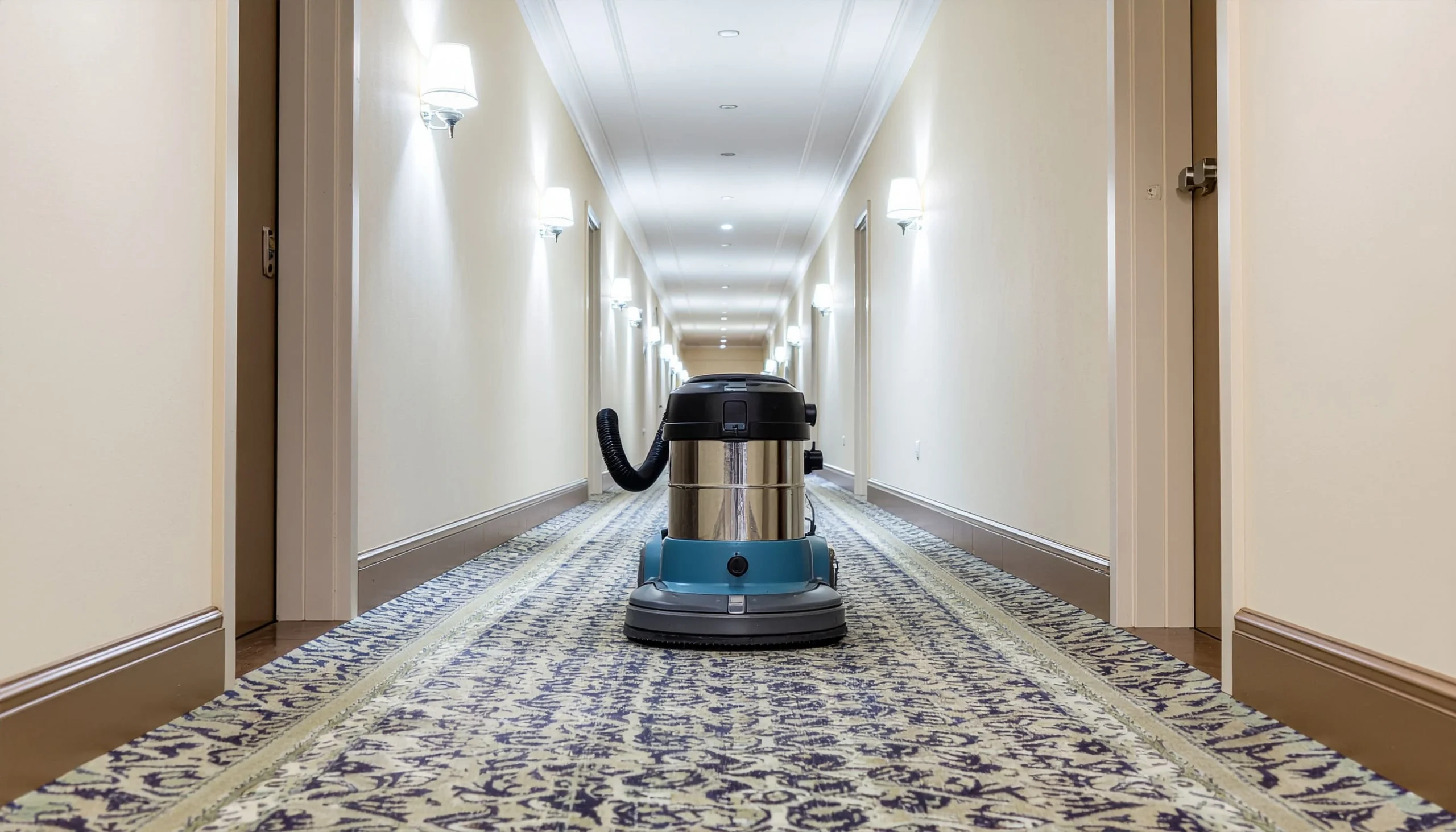
Perth’s hospitality sector doesn’t sleep, and neither should your carpet maintenance strategy. Between breakfast service and late-night cocktails, your floors endure more foot traffic in a week than most homes see in a year. The difference between a venue that looks tired by Thursday and one that maintains that “just opened” freshness often comes down to proper equipment and method: commercial-grade carpet steam cleaning that actually works.
The reality for many hospitality venues becomes clear when cafes, restaurants, and hotels try to stretch residential machines beyond their limits. The motors burn out. The extraction fails. The carpets stay damp for hours, forcing you to close sections during peak service. That’s not just inconvenient, it’s revenue walking out the door.
Professional-grade equipment suppliers like Weskleen Supplies have spent over a decade working with Perth venues to solve these exact challenges through reliable, high-performance carpet steam cleaning solutions.
Why Perth Hospitality Venues Need Commercial-Grade Steam Cleaning
The Swan Valley vineyard that serves 300 guests every weekend can’t afford to hire external cleaners three times a week. The Northbridge restaurant with cream carpets in the dining area can’t wait 12 hours for floors to dry between lunch and dinner service. These aren’t hypothetical scenarios, they’re the reality for venues facing the same equipment challenges after multiple failed attempts with consumer-grade machines.
Commercial carpet cleaners differ from domestic models in three critical ways: extraction power, tank capacity, and duty cycle. A residential machine might pull 60% of applied moisture back out. Commercial-grade steam extraction equipment can extract up to 85%, which means carpets dry in 2-3 hours instead of overnight. That’s the difference between cleaning after close and reopening on schedule versus losing your breakfast service because the floor’s still wet.
Tank capacity matters more than most venue managers realise. A 2-litre domestic machine requires constant refilling and emptying when you’re covering 200 square metres of dining space. You’ll spend more time at the tap than actually cleaning. Commercial units start at 10 litres, with some models reaching 20 litres for solution and recovery. You fill once, clean the entire front-of-house, and empty once. The time saving alone pays for the equipment within six months.
The SteamVac HP Auto 2: Built For High-Traffic Hospitality Environments
High-performance commercial-grade steam extraction equipment built for hospitality demands handles the punishment that nightly service dishes out. A 1200-watt motor doesn’t struggle with embedded dirt the way underpowered units do. The dual-tank system keeps clean solution separate from extracted waste, so you’re never redistributing dirty water across clean sections.
Here’s what that means in practice. A Fremantle cafe with 80 covers per service was previously hiring external cleaners twice weekly at $180 per visit. That’s $18,720 annually. They purchased professional extraction equipment and trained their closing staff to run it three times per week. The carpets actually look better, because you’re cleaning more frequently with proper equipment, and they’ve redirected that $18,000 into kitchen equipment upgrades.
The heated cleaning function isn’t marketing fluff. Hot water extraction works because heat breaks down oils and proteins that cold water can’t touch. Think about washing dishes with cold water versus hot, same principle. Perth’s hospitality venues deal with spilled wine, dropped food, tracked-in oils from the car park. Room-temperature cleaning leaves residue that attracts more dirt. Professional equipment heats water to optimal cleaning temperature, lifting stains that would otherwise become permanent.
Extraction Power: Why Drying Time Determines Your Operating Schedule
The single biggest complaint from venue operators about carpet cleaning is inadequate drying time extraction performance. You can’t seat customers on damp carpet. It looks unprofessional, feels unpleasant, and creates slip hazards. Worse, carpets that stay wet for extended periods develop that musty smell that no amount of air freshener can mask.
Professional extraction makes all the difference. The vacuum system pulls moisture deep from carpet backing, not just the surface fibres. With proper extraction technique, a 50-square-metre section dries enough to walk on within 90 minutes. Open the windows, run your existing aircon, and you’re ready for service.
Compare weak drying time extraction systems to professional-grade equipment, and you’ll understand why Perth restaurants that clean their own carpets do it on Sunday nights or Monday mornings when they’re closed. But what if you could clean Tuesday night after service and open Wednesday morning without restriction? That flexibility changes your entire maintenance approach.
Real-World Application: A Margaret River Venue’s Experience
A Margaret River winery restaurant faced their third vacuum-only approach failing to address visible traffic patterns in their tasting room. They’d been vacuuming daily but only deep-cleaning quarterly through external contractors. The carpets looked progressively worse between professional cleans, and they were considering full replacement at $15,000.
After implementing professional-grade extraction equipment and training their facilities manager on proper technique, the venue now deep-cleans high-traffic areas weekly and the entire space fortnightly. The carpets they were ready to replace are now in their third year of extended service. The equipment paid for itself in the first avoided replacement cycle, and they’ve since added a second unit for their accommodation wing.
The key wasn’t just the equipment, it was the shift from reactive to preventive maintenance focused on high-traffic carpet preservation. When you own a commercial carpet cleaner that’s genuinely efficient to operate, you clean before stains set rather than after they’ve bonded to fibres. That’s the difference between maintenance and damage control.
Chemical Compatibility and Solution Efficiency
Professional carpet stain removal techniques depend on selecting appropriate chemical solutions. Commercial equipment works with a range of cleaning solutions, which matters more than it might seem. Different stains require different treatment. Red wine needs different treatment than coffee, which needs different treatment than the oil tracked in from the car park. Having equipment that accommodates various solutions means you’re not locked into one-size-fits-all approaches that work poorly on everything.
Effective carpet stain removal techniques require understanding solution chemistry and application timing. pH-neutral cleaning solutions won’t damage carpet fibres or backing with repeated use, which extends carpet life significantly. Think of it like washing your hands, you use gentle soap daily and stronger solutions only when actually needed. Same principle applies to carpet maintenance.
The solution metering on commercial units also prevents waste. Domestic machines often over-apply, which means longer drying times and chemical residue that actually attracts dirt. Professional-grade controlled application uses exactly what’s needed for effective cleaning, no more. Over a year, that efficiency saves hundreds of dollars in cleaning solution costs.
Maintenance Requirements: What Actually Keeps These Machines Running
Professional equipment requires professional maintenance habits, but don’t let that intimidate you. These machines need three things: clean water in, dirty water out, and regular filter checks. That’s it for daily operation.
After each use, empty and rinse both tanks. Flush the system with clean water to prevent solution buildup in the lines. Check and clean the intake filter. These three steps take five minutes and prevent 90% of service calls. Professional-grade equipment maintained this way reliably operates for five years or more with annual professional servicing.
The annual service involves checking seals, testing the heating element, and inspecting the vacuum motor. Professional servicing at rates suitable for commercial operators costs far less than emergency repairs or premature replacement from neglect.
Comparing Commercial Steam Extraction To Alternative Systems
Perth venues sometimes ask why they shouldn’t just buy the cheapest commercial unit available. The answer comes down to total cost of ownership, not purchase price. A $1,200 machine that lasts three years costs more than a $2,400 machine that lasts eight years. Add in the productivity difference, how much area you can clean per hour, and the calculation becomes even clearer.
Commercial-grade equipment sits in the mid-range for professional carpet cleaning options. It’s not the cheapest option, but it’s also not the $8,000 truck-mount systems that only make sense for dedicated cleaning contractors. It’s purpose-built for venue operators who need professional results without professional cleaning company pricing.
Comparative analysis of extraction rates, drying times, and solution efficiency across competing models in the same price range shows consistent superior performance on the metrics that matter for hospitality: speed, thoroughness, and reliability. Those aren’t subjective assessments, they’re measurable differences that affect your daily operations.
Integration With Your Existing Cleaning Protocols
Effective hospitality venue carpet maintenance doesn’t replace your existing vacuum program; it enhances it. You’ll still vacuum daily to remove loose dirt and debris using quality microfibre mop heads for streak-free results. The steam cleaning addresses what vacuuming can’t: embedded soils, stains, and the gradual dulling that comes from thousands of footsteps grinding microscopic particles into carpet fibres.
Most Perth hospitality venues operating effective hospitality venue carpet maintenance establish a rhythm that prioritizes high-traffic carpet preservation: vacuum daily, spot-treat spills immediately, and deep-clean high-traffic areas weekly with full-venue coverage fortnightly. This approach maintains consistent appearance and extends carpet life significantly. Professional carpet cleaning equipment options are available, though commercial-grade steam extraction remains the primary recommendation for venues under 500 square metres.
For larger venues or those with multiple floors, consider two units or step up to higher-capacity models. Professional assessment of specific needs ensures equipment selection matches operational requirements rather than exceeding them.
Training Your Staff For Effective Operation
The best equipment fails if your team doesn’t use it correctly. Venues often achieve inconsistent results with commercial steam extraction equipment not because the machine underperformed, but because different staff members used different techniques. Proper training eliminates that variability.
The core technique is simple: slow, overlapping passes with proper extraction. Move too quickly and you don’t give the solution time to work. Skip the overlap and you leave uncleaned strips. Rush the extraction pass and you leave excess moisture. But master the rhythm, apply, agitate, extract, and you’ll achieve professional results every time.
Professional hands-on training with equipment purchases covers proper dilution ratios, optimal cleaning patterns, and troubleshooting common issues. The investment of 90 minutes of training time prevents years of suboptimal results. Your staff will understand not just how to run the machine, but why certain techniques work better than others.
The Economics of Ownership For Perth Hospitality Venues
Let’s address the financial question directly. Professional commercial extraction equipment represents a significant upfront investment compared to consumer alternatives. But hospitality operates on thin margins, so that investment needs to justify itself quickly.
A typical Perth restaurant spending $160-200 per professional cleaning visit, done fortnightly, spends $4,160-5,200 annually. Equipment investment pays for itself in the first year while giving you the flexibility to clean as needed rather than on a contractor’s schedule. That’s the baseline calculation.
The deeper value comes from extended carpet life. Commercial carpeting costs $40-80 per square metre installed. A 150-square-metre dining area represents $6,000-12,000 in flooring investment. Proper maintenance can double the service life from 4-5 years to 8-10 years. That’s thousands in deferred capital expenditure.
Conclusion: Making the Right Equipment Choice For Your Venue
Perth’s hospitality sector demands equipment that works as hard as you do. Commercial-grade steam extraction equipment delivers professional-grade performance without the complexity or cost of industrial systems designed for full-time cleaning contractors. It’s built for venue operators who understand that floor appearance directly impacts customer perception and that maintenance costs money whether you hire it out or bring it in-house.
Venues that invest in proper equipment and train their teams to use it effectively maintain better appearance standards at lower total cost than those relying solely on external services. The carpets last longer, the venue looks fresher, and you control the schedule rather than waiting for your contractor’s availability.
The right commercial carpet cleaner isn’t just about removing stains, it’s about maintaining the professional appearance that keeps customers coming back. If your current approach leaves you closing sections for extended drying times, scheduling around contractor availability, or watching your carpets deteriorate between quarterly deep cleans, it’s time to reassess your equipment strategy. Professional-grade equipment represents that middle ground between inadequate consumer gear and oversized industrial systems. Contact Weskleen Supplies or call 1800 728 926 to discuss equipment options suited to your specific needs.