


Blog
Improving Turnaround Times in WA Aged Care Facilities with High-Pressure Extraction

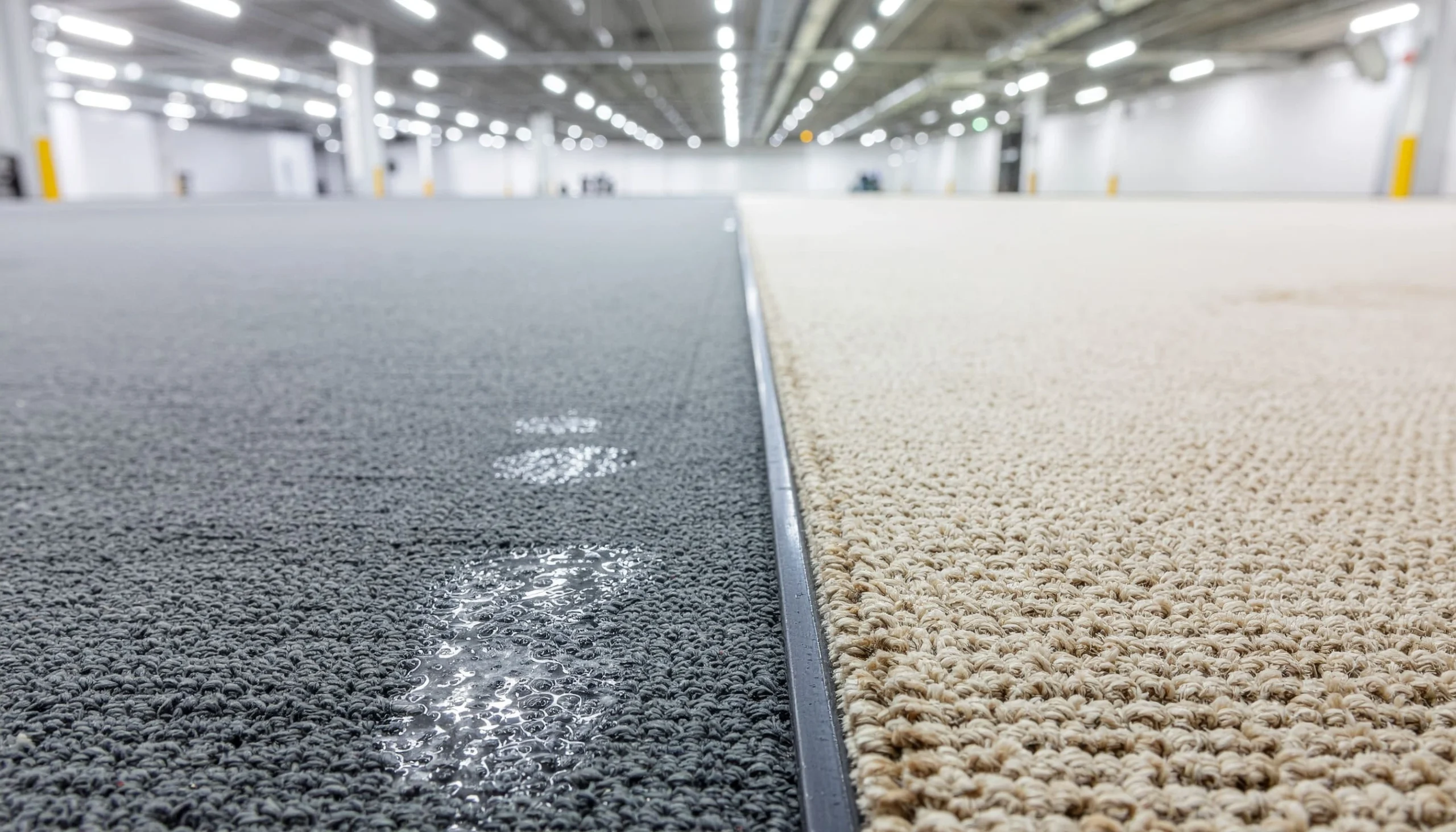
Aged care facilities in Western Australia face a unique operational challenge that doesn’t exist in most commercial settings: the need to clean and prepare rooms with extraordinary speed whilst maintaining the highest standards of hygiene. When a resident is temporarily hospitalised or permanently transitions, facilities often have just 24 to 48 hours to deep-clean and prepare that room for the next occupant. Traditional cleaning methods can’t meet this timeline without compromising quality.
High-pressure extraction technology has fundamentally changed this equation. Unlike conventional mopping or even standard carpet cleaning, high-pressure extraction systems inject heated cleaning solution deep into carpet fibres and upholstery, then immediately extract it along with embedded soil, bacteria, and odours. The result isn’t just faster cleaning—it’s more thorough sanitisation with dramatically reduced drying times.
The Real Cost of Slow Turnaround in Aged Care
Every day a room sits vacant represents lost revenue for aged care providers, but the financial impact extends far beyond empty beds. WA’s aged care sector operates under intense occupancy pressure, with many facilities maintaining waiting lists of families desperate for placement.
Professional suppliers like Weskleen Supplies specialise in high-pressure extraction solutions designed for aged care facility requirements. A room that takes three days to clean and dry instead of one doesn’t just cost money—it delays care for vulnerable people.
Traditional cleaning approaches create bottlenecks. Steam-only methods leave carpets saturated for 12 to 24 hours. Standard mopping requires multiple passes and extended drying periods. Meanwhile, the room remains unusable, staff schedules get disrupted, and the next family waits.
Consider a typical scenario: an 80-bed facility with 15% annual turnover processes roughly 12 room transitions yearly. If each transition takes three days instead of one using conventional methods, that’s 24 lost bed-days annually. At average daily rates, this represents tens of thousands in foregone revenue—not counting the human cost of delayed admissions.
How High-Pressure Extraction Cuts Cleaning Time By Half
High-pressure extraction systems operate on a fundamentally different principle than traditional equipment. These machines combine three actions simultaneously: they inject heated cleaning solution at controlled pressure, agitate fibres mechanically, and extract moisture in a single pass.
The extraction component is what changes everything. Conventional carpet cleaners leave significant moisture behind, requiring extended drying times. High-pressure extraction removes approximately 95% of applied moisture immediately, reducing drying time from 12-24 hours to just 2-4 hours with proper ventilation.
Here’s what that means practically: a room cleaned at 8 AM can be fully dry and ready for furniture placement by early afternoon. The same room cleaned with traditional methods wouldn’t be ready until the following day at earliest.
The speed advantage compounds when you’re cleaning multiple surfaces. These systems handle carpets, upholstered furniture, mattresses, and even curtains—all the textile surfaces that harbour bacteria and odours in aged care environments. One machine, one operator, comprehensive sanitisation.
The Hygiene Standards That Actually Matter in Aged Care
Speed means nothing if cleanliness suffers, and aged care facilities face hygiene requirements that exceed most commercial environments. Residents with compromised immune systems can’t tolerate the bacterial loads acceptable in other settings. The Aged Care Quality Standards explicitly require providers to maintain environments that minimise infection risk.
High-pressure extraction addresses this through heat and mechanical action. Water heated to 70-80°C kills most common pathogens on contact. The mechanical agitation lifts embedded soil that surface cleaning misses. The immediate extraction removes both the contaminants and the moisture that bacteria need to multiply.
This matters particularly for soft surfaces. Carpets and upholstery in aged care rooms accumulate not just visible soil but bodily fluids, medication residues, and organic matter that creates odours and harbours pathogens. Surface treatments can’t reach these deep deposits. High-pressure extraction can.
Facilities report transformation of rooms that smelled musty and looked dingy despite regular vacuuming. The difference isn’t just cosmetic—it’s measurable in bacterial counts and, more importantly, noticeable to families touring the facility.
Practical Implementation For WA Facilities
Implementing high-pressure extraction effectively requires more than just purchasing equipment. It demands a systematic approach to room transitions that coordinates cleaning with other preparation tasks. Equipment like the Steamvac HP Auto 2 Carpet Steamer provides the rapid drying and extraction capability that aged care turnovers demand.
The Optimal Sequence:
Immediate strip-down—Remove all furniture, bedding, and personal items within hours of room vacancy. Pre-treatment—Apply appropriate cleaning solutions to heavily soiled areas 15-20 minutes before extraction. High-pressure extraction—Work systematically from farthest corner to exit, overlapping passes slightly. Ventilation setup—Position fans to accelerate drying immediately after extraction. Hard surface cleaning—Clean walls, windows, and hard floors whilst carpets dry. Final inspection—Check for remaining stains or odours before furniture replacement.
This sequence allows a single operator to complete a full room in 3-4 hours of active work, with drying happening concurrently with other tasks. Compare this to traditional methods requiring multiple days of sequential steps.
The key is having the right equipment ready. Facilities that maintain their own extraction systems rather than relying on external contractors control their timelines. When a room becomes available unexpectedly, they can act immediately rather than waiting for contractor availability.
Equipment Selection For Australian Conditions
Not all high-pressure extraction systems perform equally in WA’s climate and conditions. The combination of hard water, fine red dust, and temperature variations demands robust equipment designed for commercial intensity.
Look for systems with stainless steel construction rather than plastic components that crack under UV exposure and heat stress. The extraction motor needs sufficient power—minimum 1200W—to pull moisture from dense commercial-grade carpeting common in aged care facilities.
Tank capacity matters more than most operators realise. A system with 10-12 litre capacity allows you to clean an average room without stopping to empty and refill. Smaller tanks create interruptions that destroy your time advantage.
Heated cleaning capability isn’t optional—it’s essential for effective sanitisation. Systems that heat water to 75°C or higher kill pathogens that room-temperature cleaning leaves behind. This is particularly critical in aged care where infection control isn’t just best practice—it’s mandatory.
Professional-grade equipment built for Australian commercial use typically includes these features as standard. Consumer-grade equipment marketed for home use simply won’t withstand daily commercial operation or deliver the sanitisation standards aged care demands.
Chemical Selection and Safety Protocols
High-pressure extraction’s effectiveness depends heavily on the cleaning solutions used. Aged care environments require products that balance sanitising power with resident safety, particularly for those with respiratory sensitivities or skin conditions.
pH-neutral formulations work best for routine room turnovers. They clean effectively without leaving alkaline residues that attract soil or acidic residues that damage carpet fibres. More importantly, they don’t create the harsh chemical odours that concern families and upset residents in adjacent rooms.
For rooms requiring enhanced sanitisation—those vacated due to infectious illness, for instance—quaternary ammonium compounds provide hospital-grade disinfection whilst remaining compatible with extraction equipment. Products like Comet Foaming Cleaner & Sanitiser kill a broad spectrum of pathogens without the bleach odours that many aged care residents find distressing.
Always verify that cleaning products are TGA-listed for healthcare use. This isn’t just regulatory compliance—it’s assurance that the product has been tested for the specific pathogens common in aged care environments.
Proper dilution is critical. Operators sometimes assume “stronger is better” and over-concentrate solutions. This wastes product, leaves sticky residues that attract soil, and can actually reduce cleaning effectiveness. Follow manufacturer specifications exactly.
Training Staff For Consistent Results
Equipment and chemicals mean nothing without operators who understand proper technique. High-pressure extraction looks simple but requires specific skills to achieve professional results consistently.
The most common operator mistakes: Moving too quickly, not allowing solution dwell time. Overlapping passes excessively, over-wetting carpets. Failing to pre-treat heavily soiled areas. Neglecting to empty recovery tanks before they’re completely full. Skipping regular equipment maintenance.
A trained operator works methodically, not frantically. They understand that proper technique—slow, overlapping passes with the wand held at the correct angle—extracts more soil and moisture than rushing through the job.
Training should include hands-on practice in actual rooms, not just demonstration. Operators need to feel the difference between a properly executed pass and a rushed one. They need to see how pre-treatment changes results on stubborn stains.
Documentation helps maintain standards. Simple checklists for room preparation, cleaning sequence, and equipment maintenance ensure consistency regardless of which staff member handles a particular turnover.
Maintenance That Prevents Downtime
High-pressure extraction equipment works hard in aged care environments, often cleaning multiple rooms weekly. Regular maintenance isn’t optional—it’s what separates reliable equipment from expensive breakdowns during critical turnovers.
Daily maintenance takes five minutes: Empty and rinse recovery tank thoroughly. Flush clean water through solution lines. Inspect wand and hoses for clogs or damage. Wipe down exterior surfaces.
Weekly maintenance requires slightly more attention: Deep-clean recovery tank with descaling solution. Inspect and clean intake filters. Check spray jets for mineral buildup. Test heating element function.
Monthly professional inspection should include: Pump pressure verification. Seal and gasket inspection. Motor function testing. Hose integrity check.
Perth’s hard water creates mineral buildup faster than in many regions. Using descaling solutions monthly prevents the calcium deposits that reduce heating efficiency and clog spray jets. This simple step extends equipment life by years.
Keep basic spare parts on hand—replacement spray tips, extra hoses, backup filters. When you’re on a tight turnaround deadline, having a spare spray tip available means five minutes of downtime instead of two days waiting for parts delivery.
Measuring Success Beyond Speed
Faster turnaround times represent the obvious benefit of high-pressure extraction, but the less visible improvements often matter more to aged care quality outcomes.
Odour elimination dramatically improves family impressions during facility tours. Rooms that smell fresh rather than institutional or medicinal create positive first impressions that influence placement decisions. High-pressure extraction removes the organic matter that creates persistent odours rather than just masking them with fragrances.
Extended carpet life reduces capital replacement costs. Carpets that receive regular high-pressure extraction last 40-50% longer than those cleaned only with surface methods. The deep cleaning removes the abrasive soil particles that cut carpet fibres and cause premature wear.
Reduced infection transmission protects vulnerable residents. Whilst difficult to measure directly, facilities that implement thorough sanitisation protocols including high-pressure extraction typically report fewer room-to-room infection spread incidents.
Staff satisfaction improves when cleaning teams have tools that make their jobs easier and more effective. Operators take pride in transforming rooms quickly and thoroughly. This reduces turnover in an industry that struggles with staffing consistency.
Integration With Broader Facility Management
High-pressure extraction works best as part of a comprehensive facility management approach, not as an isolated cleaning tactic. The most successful WA aged care facilities integrate this technology into broader operational systems.
Scheduled preventive cleaning extends the benefits beyond just turnovers. Regular extraction of high-traffic common areas—lounges, dining rooms, activity spaces—maintains consistent appearance and hygiene throughout the facility. This prevents the “clean rooms, dingy common areas” contrast that families notice.
Coordination with maintenance schedules maximises efficiency. When rooms require painting or minor repairs during turnover, scheduling these tasks during carpet drying time eliminates delays. The room is out of service anyway—use that time strategically.
Data tracking reveals patterns that improve operations. Recording turnover times, cleaning challenges, and equipment performance helps identify bottlenecks and training needs. Facilities that track this data consistently reduce average turnover time by 20-30% over their first year of systematic measurement.
Professional suppliers work with aged care facilities throughout Perth to develop these integrated approaches. It’s not just about selling equipment—it’s about understanding the operational realities of aged care and providing solutions that address real workflow challenges.
The Competitive Advantage of Operational Excellence
WA’s aged care sector faces increasing competition as new facilities open and families become more selective about placement. Operational excellence in areas like room turnaround creates competitive advantages that marketing can’t replicate.
Facilities known for rapid, thorough room preparation can accommodate emergency placements that competitors must refuse. This builds relationships with hospital discharge planners and community care coordinators who control referral flow.
Faster turnaround directly improves occupancy rates. Reduce average turnover time from 72 hours to 24 hours, and you gain two bed-days per transition. Across a year, this compounds into significant additional occupied days.
But perhaps more importantly, families notice operational competence. A facility that can show a spotless, fresh-smelling room within 24 hours of vacancy demonstrates systems and standards that reassure families their loved one will receive attentive care.
High-pressure extraction technology isn’t glamorous, but it’s one of those operational capabilities that separates well-run facilities from those that merely meet minimum standards. In an industry where trust and reputation determine success, these operational details matter enormously.
Conclusion
The pressure on WA aged care facilities to balance speed with quality in room turnovers won’t decrease—demographic trends guarantee increasing demand for limited beds. High-pressure extraction technology offers a proven solution that doesn’t force operators to choose between fast and thorough.
By removing 95% of applied moisture immediately whilst delivering deep sanitisation, these systems cut typical turnaround times in half without compromising the hygiene standards that protect vulnerable residents. The investment pays for itself through improved occupancy rates, extended carpet life, and enhanced facility reputation.
Success requires more than just purchasing equipment, though. It demands proper operator training, systematic maintenance, appropriate chemical selection, and integration with broader facility management processes. Facilities that approach high-pressure extraction as an operational system rather than just a cleaning tool achieve the most dramatic improvements.
For aged care providers serious about operational excellence, the question isn’t whether to implement high-pressure extraction—it’s how quickly you can integrate this capability into your existing workflows. Every day of delayed implementation represents lost revenue and delayed care for families waiting for placement.
Contact Weskleen Supplies or call 1800 728 926 to discuss equipment selection and implementation strategies specific to your operational requirements.