


Blog
Future Proofing Your Facility with Sustainable Cleaning Logistics in Western Australia

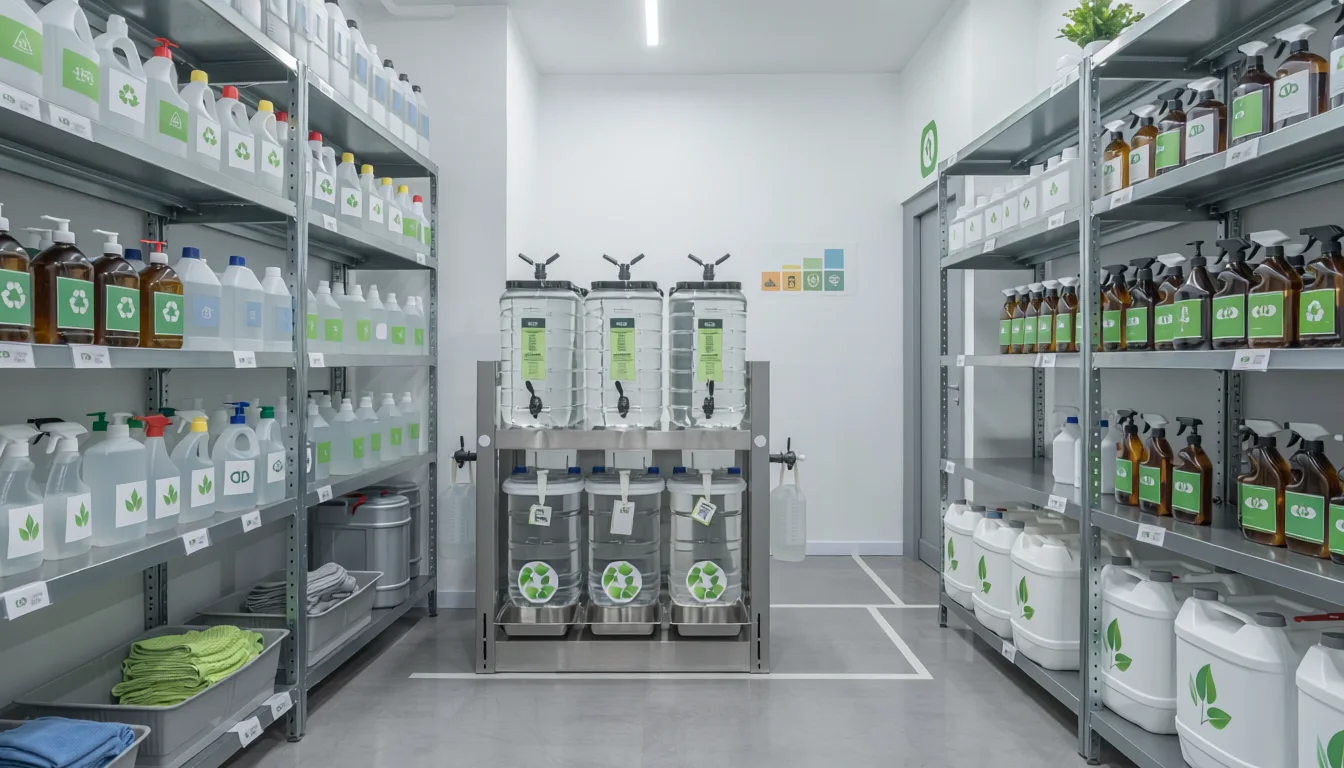
Western Australia’s facilities face a unique challenge: maintaining world-class hygiene standards while managing costs, environmental impact, and the logistical realities of one of the world’s most geographically isolated regions. The traditional approach – buying cheap, buying often, and dealing with supply disruptions – doesn’t cut it any more. Future facility supply solutions demand a different mindset, one that treats cleaning logistics as a strategic asset rather than a recurring expense.
The shift isn’t about chasing trends. It’s about recognising that sustainable cleaning logistics directly impact your bottom line, regulatory compliance, and operational resilience. The conversation always starts with the same question: what happens when your supplier can’t deliver, or your equipment fails mid-shift? The answer reveals whether a facility is truly prepared for the next decade or simply reacting to today’s problems.
What Future Facility Supply Solutions Actually Mean
Future facility supply solutions aren’t a product category – they’re a framework for making smarter decisions about cleaning logistics. Three core principles define this approach.
Durability over disposability. Professional-grade equipment that lasts 10 years costs less per clean than consumer models replaced every 18 months. A Polystar Orbital Floor Scrubber might represent a significant upfront investment, but its multi-surface capability and serviceable design eliminate the need for multiple single-purpose machines.
Concentrated cleaning formula over volume. A 5L concentrate that produces 500L of working solution beats buying 500L of ready-to-use product in every metric – cost, carbon footprint, and shelf space. A concentrated cleaning formula also reduces freight costs and storage requirements considerably.
Supply chain resilience over lowest price. Local suppliers with established Perth warehousing respond faster to urgent needs than offshore vendors shipping in bulk. When a mining camp 800 km north of Perth runs out of sanitiser, delivery time matters more than saving $2 per bottle.
The Hidden Costs of Traditional Cleaning Supply Models
Most facility managers inherit procurement systems designed for a different era. The “order when we’re almost out” approach creates three invisible drains on resources.
Emergency pricing penalties. Rush orders and express freight can double the cost of routine supplies. A café owner in Fremantle once paid $180 for overnight delivery of a $40 Enduro Microfibre Mop Head because their standard supplier was out of stock. Proper inventory planning would have saved that entire cost.
Equipment downtime multipliers. When a vacuum fails mid-shift, the cost isn’t just the repair – it’s the labour hours lost, the incomplete cleaning, and the potential compliance issues. A facility using a Pacvac Superpro 700 Backpack Vacuum with a spare battery kit on hand never loses productivity to power issues.
Training fragmentation. Constantly switching products because of price or availability means retraining staff on new dilution ratios, safety protocols, and application methods. Consistency reduces errors and improves results.
Building a Sustainable Cleaning Logistics Framework
Think of sustainable cleaning logistics like building a house. You need a solid foundation (reliable suppliers), quality materials (professional-grade products), and a maintenance plan (scheduled servicing and inventory management). Here’s how that translates to practical operations.
Establish Predictable Supply Partnerships
Work with suppliers who maintain local stock and understand WA’s unique geography. Weskleen Supplies maps consumption patterns against delivery schedules to eliminate both shortages and overstock situations during facility audits.
A Perth-based aged care facility reduced their annual cleaning supply costs by 23% simply by switching from ad-hoc ordering to a scheduled delivery system. They didn’t change products – they changed logistics. Predictable ordering means better pricing, less waste, and zero emergency runs to retail stores paying consumer prices for commercial needs.
Invest in Equipment That Pays You Back
Professional equipment isn’t expensive – it’s an investment with measurable returns. A Steamvac HP Auto 2 Carpet Steamer costs more upfront than hiring a contractor three times per year, but after 18 months, you’re cleaning for free. After three years, you’ve saved enough to replace the machine entirely.
The calculation changes when you factor in durability. Consumer-grade machines fail under commercial use patterns. Professional equipment handles daily operation, accepts spare parts, and often includes serviceable components rather than disposable assemblies. That Medusa Battery-Powered Sweeper you buy today should still be running in 2030.
Standardise Chemical Systems
Facilities using 15 different cleaning products are managing 15 different safety data sheets, 15 different dilution ratios, and 15 different inventory lines. Streamlining to 5-7 versatile products reduces complexity, training time, and storage requirements.
Mr. Bean 5L All-Purpose Cleaner handles 80% of daily cleaning tasks in most facilities. Specialised products like Comet Foaming Cleaner & Sanitiser address high-hygiene areas. This two-product approach covers the majority of cleaning needs without sacrificing effectiveness.
Western Australia’s Unique Logistical Challenges
Distance defines everything in WA. A facility in Kalgoorlie can’t wait three days for a replacement mop bucket. Regional operations need local solutions or robust backup systems. Here’s how smart facilities adapt.
Maintain strategic inventory. Critical items like squeegees and mops should always have backup stock on-site. Non-critical consumables can operate on just-in-time delivery, but anything that stops operations needs redundancy.
Use multi-purpose equipment. A floor scrubber in Perth that handles tile, concrete, and vinyl eliminates the need for three separate machines. This matters even more in regional locations where equipment servicing requires travel.
Plan for seasonal variations. Summer brings different cleaning challenges than winter. Dust control becomes critical during dry months, while wet weather demands different entrance matting strategies. Annual planning accounts for these shifts, including adjusting concentrated cleaning formula dilution ratios and product types.
Measuring the ROI of Sustainable Cleaning Logistics
Numbers don’t lie. Track these metrics to prove the value of upgrading your facility supply approach.
Cost per square metre cleaned accounts for chemical costs, equipment depreciation, and labour time. Professional systems consistently outperform budget approaches when measured per unit of work completed. This is the most reliable indicator of facility cleaning supply ROI.
Supply chain disruption frequency counts how many times per year you face stockouts, emergency orders, or substitute products. Each incident carries hidden costs in staff time and operational disruption.
Equipment utilisation rates track whether professional machines are running 5-plus years with basic maintenance. If you’re replacing equipment annually, you’re buying the wrong grade or skipping maintenance protocols.
A commercial property manager in Perth tracked these metrics across 12 buildings and discovered their “budget-conscious” approach was costing 31% more per clean than a professional-grade system. The switch paid for itself in 14 months, demonstrating that sustainable cleaning logistics WA delivers measurable facility cleaning supply ROI within a reasonable timeframe.
Practical Steps to Transition Your Facility
Change doesn’t require wholesale replacement of your current system. Start with these targeted improvements.
Audit your current consumption. Track what you’re actually using versus what you’re buying. Many facilities discover 20-30% of purchased supplies expire unused or get wasted through improper dilution.
Identify your highest-impact upgrades. If you’re cleaning 10,000 square metres of hard flooring daily, investing in a quality carpet cleaning machine for your carpeted areas makes less sense than upgrading your floor maintenance equipment first.
Test professional alternatives. Compare your current all-purpose cleaner against Goof Off Adhesive Remover for specialised tasks. Measure dilution ratios, coverage rates, and actual cleaning time. The results often surprise facilities accustomed to consumer-grade products.
Establish maintenance schedules. Equipment longevity depends on preventive care. Simple protocols like cleaning vacuum filters weekly and checking scrubber pad wear monthly prevent 90% of premature failures.
The Environmental Case for Professional Cleaning Systems
Sustainability isn’t just good marketing – it’s good business. Professional cleaning logistics reduce environmental impact through several mechanisms.
Concentrated cleaning formula shipping is one of the clearest wins: one 5L concentrate instead of twenty 500ml ready-to-use bottles cuts packaging waste by 80% and reduces freight emissions proportionally.
Equipment longevity keeps machines out of landfills and reduces the embedded carbon cost of manufacturing replacements. A 10-year equipment lifecycle is a straightforward sustainability outcome.
Proper dilution systems and staff training eliminate the common practice of “pouring extra to be safe,” which wastes product and increases environmental loading.
Modern floor scrubbers recycle solution water and use 70% less water than traditional mopping methods while delivering superior results – a direct sustainability benefit for facilities managing water costs.
Real-World Application: A Perth Facility’s Transformation
A 15,000 square metre commercial office complex in Perth’s CBD faced escalating cleaning costs and frequent supply issues. Their cleaning contractor used whatever products were cheapest that month, leading to inconsistent results and staff confusion about proper procedures.
The facility manager implemented a future-focused approach: standardised chemical systems, invested in quality equipment including an Ettore 5.5m Extension Pole for high-reach cleaning, and established scheduled deliveries with local suppliers. Within six months, they documented a 19% reduction in total cleaning costs, zero supply disruptions, and measurably improved cleanliness scores from tenant surveys.
The transformation didn’t require revolutionary changes – just systematic application of professional-grade solutions and logistics planning. This is what sustainable cleaning logistics WA looks like in practice.
Conclusion
Future facility supply solutions in Western Australia aren’t about predicting the next cleaning trend – they’re about building systems that deliver consistent results regardless of market conditions, supply chain disruptions, or budget pressures. The facilities that thrive over the next decade will be those that treated cleaning logistics as a strategic investment rather than a cost centre to be minimised.
Professional-grade equipment, concentrated chemical systems, and reliable local supply partnerships cost more upfront but deliver superior long-term value through reduced waste, improved efficiency, and operational resilience. For WA facilities facing unique geographical challenges and increasing sustainability expectations, this approach isn’t optional – it’s essential. The facility cleaning supply ROI figures make the case clearly.
Weskleen Supplies works with facility managers across Perth and regional WA to build logistics frameworks that deliver these outcomes. Start with one upgrade. Replace that consumer-grade vacuum with a Pacvac Superpro 700 Battery Kit. Switch one cleaning product to a professional concentrate. Track the results. The data will prove what experienced facility managers already know: quality compounds, and in cleaning logistics, the future belongs to those who plan for it.
To discuss how to build a sustainable cleaning logistics framework for your facility, call 1800 728 926.