


Blog
Why WA Based Suppliers Are Vital for Local Government Cleaning Contracts

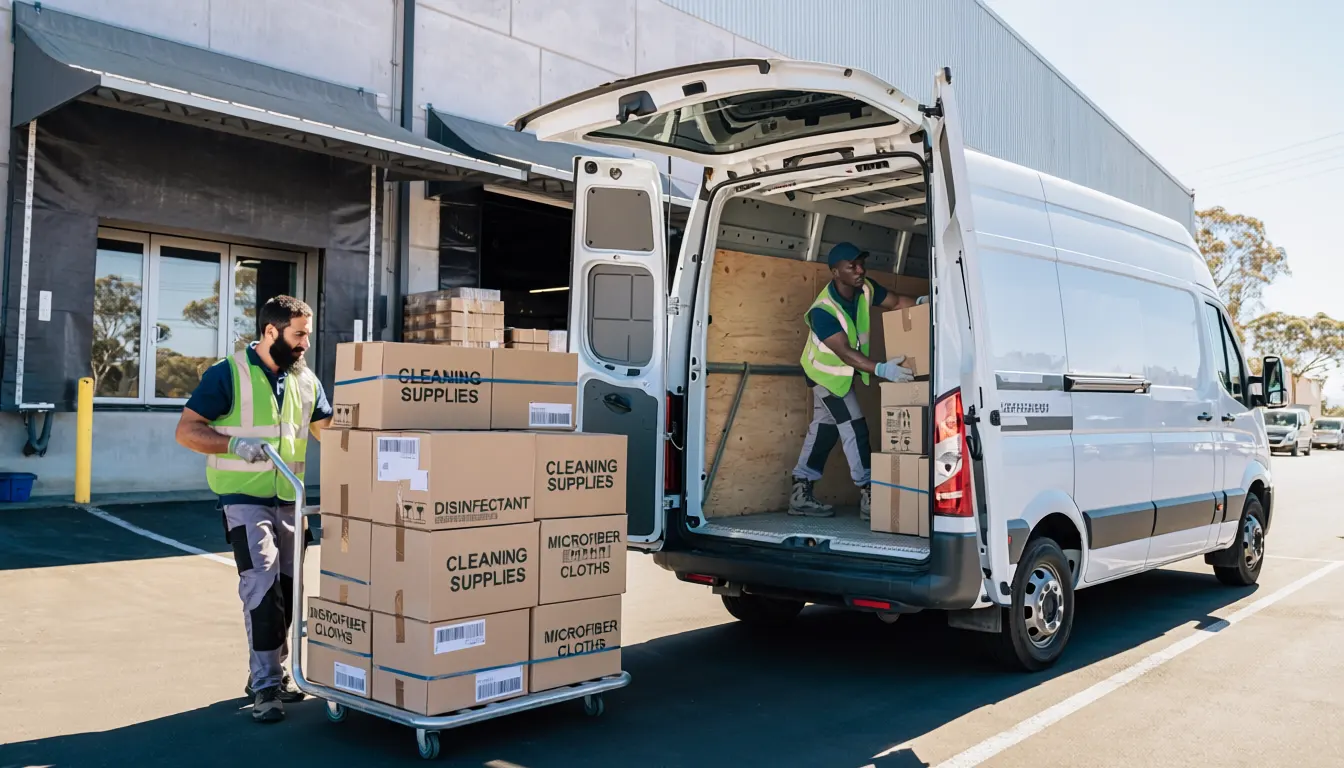
When a local government facility manager in Bunbury needs emergency supplies for a weekend sanitation crisis, or a shire in the Wheatbelt requires specialised equipment delivered before a major public event, the difference between a WA-based supplier and an interstate provider becomes starkly clear. It’s not just about proximity. It’s about understanding the unique challenges of Western Australia’s geography, climate, and operational realities.
Local government cleaning contracts across WA demand more than just competitive pricing and quality products. They require partners who grasp the logistical complexities of servicing remote communities, who stock solutions suited to WA’s harsh sun and red dust, and who can respond when standard business hours don’t align with urgent facility needs. This isn’t theoretical – it’s the practical difference between a supplier who knows the road to Karratha and one who needs to check a map.
The Geographic Reality of Western Australian Service Delivery
Western Australia covers 2.5 million square kilometres, making it larger than Western Europe. For local government facilities spread across this vast territory, the logistics of maintaining cleaning supply chains present challenges that eastern states simply don’t face.
A shire office in Esperance sits roughly 720 kilometres from Perth. When a floor scrubber breaks down at a community centre hosting a regional health clinic, waiting three to five business days for parts from Sydney or Melbourne isn’t just inconvenient – it’s operationally unacceptable. Local Perth janitorial partners who support local government cleaning WA operations understand this urgency because they’ve navigated it dozens of times.
Consider the practical scenario of a coastal council facility in Geraldton. The combination of salt air, red dust, and intense UV exposure creates specific wear patterns on cleaning equipment and accelerated degradation of certain chemical formulations. A WA-based supplier doesn’t just ship products; they recommend solutions tested in similar conditions, often by other local government clients facing identical environmental challenges.
Supply Chain Resilience and Emergency Response
The COVID-19 pandemic exposed critical vulnerabilities in interstate supply chains. Local governments that relied heavily on eastern states suppliers faced significant delays when border restrictions and freight disruptions became routine.Product Knowledge
Weskleen Supplies maintains WA-based inventory specifically to buffer against these disruptions. When a metropolitan council suddenly needed additional sanitisation supplies for public facilities during a health scare, same-day delivery wasn’t just possible – it was standard operating procedure.
This resilience extends beyond emergencies. Routine restocking for shire depots, town halls, and regional recreation centres benefits from predictable delivery windows. A supplier with Perth warehousing can commit to specific timeframes with confidence, rather than estimating based on interstate freight schedules that shift with weather, industrial action, or seasonal demand surges.
Interstate suppliers often promise 48-72 hour delivery, but that timeline assumes everything goes perfectly. A local supplier can deliver to most metropolitan areas within 24 hours and coordinate regional deliveries through established freight relationships that prioritise WA routes – a critical advantage for regional shire cleaning supply requirements where delays have direct operational consequences.
Understanding Local Government Procurement Requirements
WA local governments operate under specific procurement frameworks that favour suppliers demonstrating local economic benefit. The Western Australian Local Government Act includes provisions encouraging councils to consider local suppliers when value and quality are comparable.
This isn’t just bureaucratic preference – it’s sound economic policy. Money spent with WA-based suppliers circulates within the state economy, supporting local jobs and generating tax revenue that benefits the communities these councils serve. A cleaning supplies contract awarded to a Perth-based company contributes to the regional economy in ways an interstate provider cannot match.
Beyond regulatory compliance, local Perth janitorial partners understand the unique reporting and documentation requirements of council cleaning tender WA processes. They’re familiar with the compliance expectations and accountability standards that differ from private sector procurement.
Councils that need detailed usage reports for environmental sustainability audits, specific chemical safety data formatted for WA regulations, and equipment service records that align with local government asset management systems find these requirements understood and supported by local suppliers – not treated as unusual requests by interstate providers unfamiliar with WA council operations.
Technical Support and Training That Actually Shows Up
A council facility manager in Albany recently shared a common frustration: their previous supplier provided excellent products but useless support. When staff needed training on new carpet cleaning machines, the supplier offered a webinar recorded in Melbourne that referenced equipment models they weren’t using and cleaning challenges they didn’t face.
Local suppliers provide hands-on training at the facility, with equipment the staff will actually use, addressing the specific surfaces and soiling conditions they encounter. This isn’t a luxury – it’s fundamental to maximising the return on equipment investments that often represent significant capital expenditure for smaller councils.
Technical support extends to preventive maintenance guidance. A Polystar Orbital Floor Scrubber operates differently when used daily on red dust-laden floors versus weekly on standard commercial tiles. A WA-based supplier has seen both scenarios repeatedly and can recommend maintenance schedules that prevent breakdowns rather than just responding to them.
When equipment does fail, local technical support means a service technician who can physically inspect the machine, not a phone support operator reading from a troubleshooting script. For local government cleaning WA facilities managing multiple buildings with limited maintenance staff, this difference directly impacts operational continuity.
Product Knowledge Grounded in WA Conditions
Western Australia’s climate creates specific cleaning challenges that products marketed nationally don’t always address effectively. The combination of heat, dust, and coastal salt air affects everything from dust control mops to chemical sanitisers.
A local supplier recommends products based on proven performance in WA conditions. When a regional council asks about floor cleaning solutions for outdoor pavilions that face full sun exposure, we don’t suggest what works in Melbourne’s milder climate – we recommend formulations that won’t degrade or leave residues under Perth’s intense UV radiation.
This knowledge extends to seasonal variations. The red dust that blankets everything during summer requires different cleaning approaches than winter’s occasional heavy rains. Local Perth janitorial partners help councils adjust their regional shire cleaning supply orders and cleaning protocols seasonally, optimising both effectiveness and cost efficiency.Supply Chain Resilience
Consider something as straightforward as squeegees and mops. The rubber compounds in squeegee blades harden faster in WA’s heat, reducing effectiveness. Local suppliers stock products formulated for these conditions and advise on replacement cycles that reflect actual wear patterns, not generic manufacturer recommendations.
Economic and Social Benefits of Local Procurement
When the City of Rockingham or the Shire of Murray awards a cleaning supplies contract to a WA-based company, the economic impact extends beyond the immediate transaction. That supplier employs WA residents, pays state taxes, and often sources from other local businesses where possible.
This multiplier effect matters to communities. A council making a conscious decision to support local suppliers contributes to regional employment and economic stability. For smaller councils in regional areas, this principle often guides shire council cleaning services procurement decisions when competing bids offer similar value.
There’s also an accountability dimension. A supplier operating in the same community as their clients has reputational stakes that interstate providers don’t face. When a shipment of cleaning hand caddies arrived with minor damage, the response wasn’t processing a return through interstate logistics – it was driving to the facility, assessing the issue, and providing replacements within hours. That’s not exceptional customer service; it’s the standard expectation when your clients are your neighbours.
Flexibility and Customisation for Diverse Facility Needs
Local governments manage incredibly diverse facilities: libraries, recreation centres, public toilets, administration buildings, childcare centres, aged care facilities, and outdoor spaces. Each presents different cleaning requirements, traffic patterns, and hygiene standards.
A WA-based supplier develops familiarity with this diversity through ongoing relationships. When a council needs to set up cleaning protocols for a new skate park facility, we’ve likely supplied similar projects and can recommend appropriate products and quantities based on actual usage data, not generic estimates.
This customisation extends to packaging and delivery scheduling. A large metropolitan council might need bulk deliveries on monthly schedules, while smaller shires prefer smaller, more frequent orders that don’t strain storage capacity. Local suppliers accommodate these variations without the rigid minimum order requirements that often come with interstate freight.
We’ve also worked with councils implementing sustainability initiatives, helping them transition to concentrated cleaning formulas that reduce plastic waste, or identifying equipment like the Medusa Battery-Powered Sweeper that eliminates fuel consumption. These consultative relationships develop naturally when suppliers and clients interact regularly, understanding evolving priorities beyond just fulfilling orders.
The Value of Relationship-Based Service
There’s something fundamentally different about a supplier relationship built on regular face-to-face interaction versus one conducted entirely through phone calls and email with people in another state. Local government facility managers dealing with complex, evolving WA council facility sanitation challenges benefit from collaborative problem-solving that only proximity enables.
When a council facility manager mentions they’re struggling with persistent odours in public toilets despite regular cleaning, a local supplier can visit the site, assess the ventilation, surface materials, and usage patterns, then recommend targeted solutions like Comet Foaming Cleaner & Sanitiser combined with protocol adjustments. That level of support requires presence, not just product knowledge.
These relationships also facilitate honest feedback loops. If a product isn’t performing as expected, local clients tell us directly, often showing us the specific issue. This immediate feedback helps refine recommendations and address problems before they escalate, maintaining the trust essential to long-term local government cleaning WA contracts.
For councils managing limited budgets and increasing service expectations from ratepayers, having a supplier who functions as a genuine partner – not just a vendor – provides operational value that’s difficult to quantify but easy to recognise.
Meeting the Future Needs of WA Local Government
Local government cleaning requirements continue evolving. Increasing focus on environmental sustainability, workplace health and safety compliance, and cost efficiency creates demand for suppliers who understand these pressures and can provide solutions aligned with emerging priorities.
WA-based suppliers are positioned to collaborate on these challenges because they’re subject to the same state regulations and community expectations. When new workplace safety standards affect cleaning chemical handling, local suppliers ensure their products and training align with WA-specific requirements, not generic national standards that might miss local nuances.
As councils explore innovations like electrostatic sanitisation, microfibre technology, and water-efficient cleaning systems, having suppliers who can demonstrate these technologies locally, provide trial periods, and support implementation with hands-on training makes adoption practical rather than theoretical.
The transition to more sustainable cleaning practices – something many WA councils are actively pursuing – requires suppliers who can source environmentally preferable products, verify their performance in local conditions, and support staff training on new approaches. This isn’t a transaction; it’s a partnership that develops over time through shared commitment to improved outcomes.
Conclusion
The case for WA-based suppliers in local government cleaning contracts extends well beyond simple logistics. It encompasses emergency response capability, technical support that shows up in person, product knowledge grounded in WA’s unique conditions, and economic benefits that strengthen the communities these councils serve.
Weskleen Supplies understands that a cleaning supplies contract isn’t just about delivering products – it’s about supporting the operational effectiveness of facilities that serve the public every day. When a community centre needs to stay open, when a public library requires safe WA council facility sanitation, when a shire office must maintain professional standards despite budget constraints, the supplier relationship becomes part of the solution.
For local governments evaluating their cleaning supply partnerships, the question isn’t whether local suppliers can compete with interstate providers – it’s whether interstate providers can match the comprehensive value that local presence, knowledge, and commitment provide.
If you’re a WA local government facility manager reviewing your cleaning supply arrangements, call 1800 728 926 to discuss how local partnership creates operational advantages that extend far beyond the purchase order. Your facilities – and your community – deserve suppliers who understand what cleaning in Western Australia actually requires.