


Blog
Steam vs. Dry Cleaning: When to Use the SteamVac HP Auto-2 for Commercial Carpets

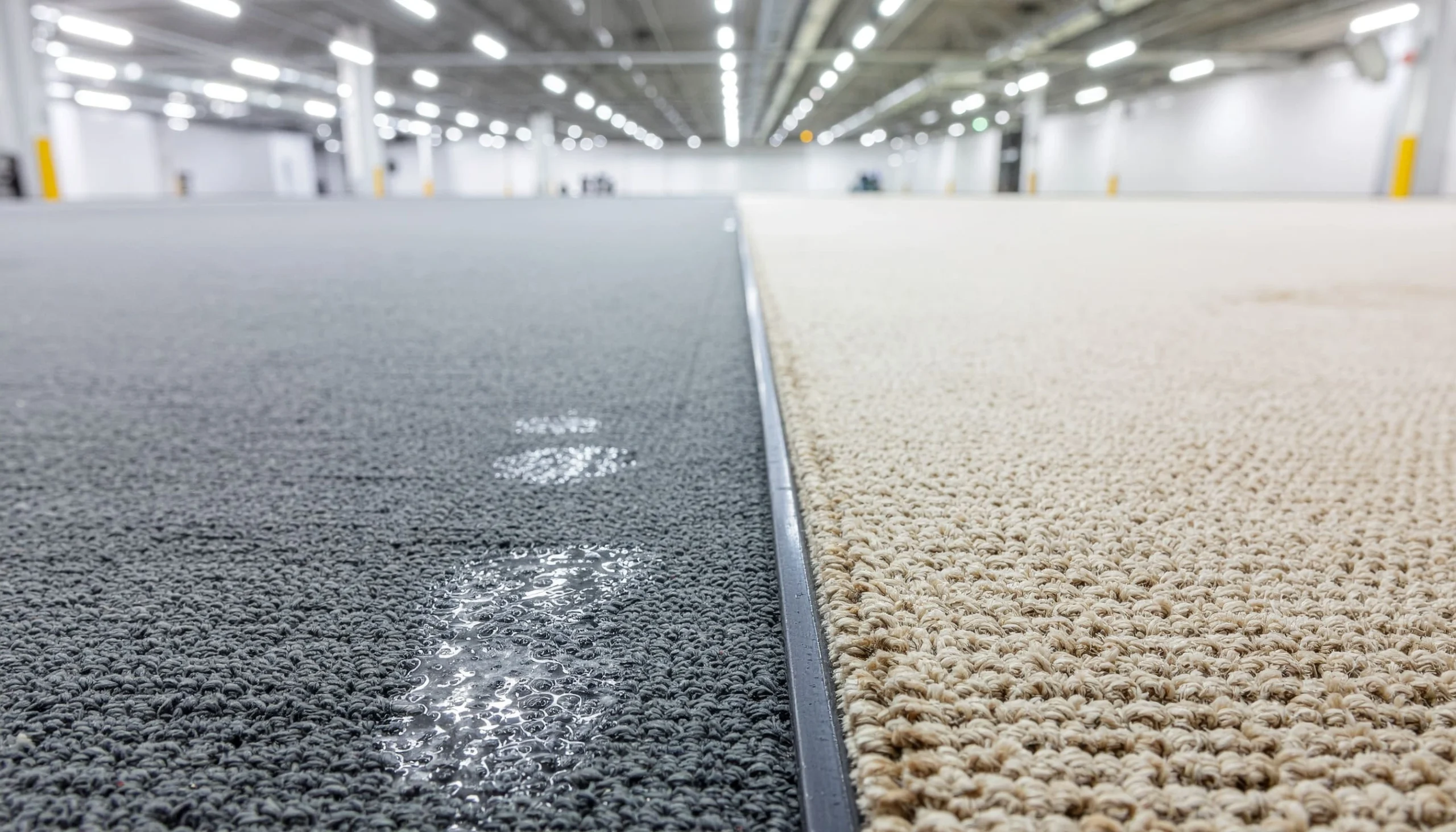
Commercial carpet cleaning isn’t a one-size-fits-all operation. The method you choose determines whether you’re genuinely deep-cleaning or just pushing dirt around, and for high-traffic spaces like hotels, offices, and retail environments, that distinction matters.
Steam extraction and dry cleaning both have their place in a professional toolkit, but knowing when to deploy each method separates efficient operations from costly mistakes. Professional steam extraction equipment represents a specific approach—hot water extraction that penetrates deep into carpet fibres to lift embedded soil, allergens, and stains that surface-level methods can’t touch.
Here’s what you need to know about choosing the right method for your commercial spaces.
Why Carpet Cleaning Method Actually Matters
The difference between surface cleaning and genuine deep cleaning extends beyond appearance. Surface methods remove loose dirt and dust but leave behind compacted soil, oils, bodily fluids, and organic matter that accumulate in carpet backing and padding.
Professional suppliers like Weskleen Supplies specialise in helping commercial operations select appropriate cleaning methods for their specific environments.
For hospitality venues, the difference shows up in customer experience. A lobby that smells fresh and feels clean signals quality and care. For healthcare facilities, the distinction matters for infection control, surface cleaning doesn’t remove the pathogenic loads that compromise hygiene. For office buildings, regular extraction prevents the progressive dullness that signals neglect.
Commercial carpet represents one of the largest soft-surface investments in most buildings. Protecting that investment requires understanding what different cleaning methods accomplish and when to deploy them.
How Steam Extraction Works (And Why It’s Not Actually Steam)
Despite the common name, “steam cleaning” doesn’t actually use steam. Instead, it uses pressurised hot water injection followed by immediate vacuum extraction, a process called hot water extraction or HWE.
Here’s the actual process: The machine heats water to approximately 70-80°C and injects it at pressure into the carpet. This hot water dissolves oils and lifts embedded soil through a combination of heat energy and mechanical agitation from the wand. A powerful vacuum simultaneously extracts the water along with the loosened soil, bacteria, and dissolved contaminants.
Think of pressure-washing concrete, the hot water and pressure break down and lift stubborn soiling that scrubbing alone can’t achieve. The same principle applies to carpet fibres and backing.
Temperature matters because cleaning chemistry is more effective at elevated temperatures. Alkaline cleaning agents that dissolve oils work significantly better in 75°C water than room-temperature alternatives. Heat also activates enzymes used in protein-based stain treatments, making them work faster and more effectively.
The vacuum recovery phase is what separates commercial equipment from consumer alternatives. A weak vacuum motor leaves significant moisture in the carpet, extending drying times to 12-24 hours. Professional-grade equipment with dual-stage motors removes 85-95% of applied moisture, achieving floor-ready conditions within 2-4 hours.
When Steam Extraction Is Non-Negotiable
Certain commercial environments cannot function with surface-level cleaning methods. These situations demand the deep extraction capability that steam cleaning provides.
High-traffic commercial areas develop visible wear patterns within months of installation if not properly maintained. The combination of foot traffic compacting soil and traffic lanes creating visible shades requires regular extraction to maintain appearance. Once traffic patterns set in, they become permanent unless removed through heated extraction.
Food service environments generate oils, protein residues, and organic matter that dry methods can’t remove. These residues don’t just look bad, they attract soil, promote bacterial growth, and create odours that surface cleaning can’t address. Hospital kitchens, restaurant dining areas, and retail food courts all require regular extraction to maintain hygiene and appearance standards.
Healthcare and childcare facilities operate under explicit hygiene requirements that mandate removal of pathogens and biological contaminants. Dry chemical methods can surface-treat, but they don’t remove the deep contamination that poses infection risks. Steam extraction at therapeutic temperatures kills pathogens and removes contamination that compromises vulnerable populations.
Pet-friendly businesses face organic soiling from urine, saliva, and faecal matter that penetrates deep into carpet backing. Dry methods mask odours temporarily. Only extraction removes the source contamination and prevents recurrent problems.
Manufacturing and industrial spaces accumulate soil types that dry methods can’t address, oil-based soiling, fine particulates ground into fibres, and chemical residues that require heated water dissolution. Regular extraction prevents the progressive deterioration that eventually forces premature carpet replacement.
Understanding Dry Cleaning Methods (And Their Limitations)
Dry cleaning methods serve an important maintenance role between periodic deep extractions. These approaches use minimal moisture and offer convenience, but they have legitimate limitations.
Encapsulation cleaning applies chemical polymers that surround soil particles, encapsulating them so they can be vacuumed away. This works well for light, loose soil and maintains appearance between deep cleans. The encapsulation particles are designed to crystallise and dry quickly, enabling floor use within hours.
Bonnet cleaning (also called dry bonnet) uses a rotating pad saturated with cleaning solution to agitate and absorb surface soil. The pad absorbs loosened dirt while chemical action dissolves oils. This method works adequately for quick refreshes and light maintenance.
Dry foam cleaning applies shampoo that’s whipped into foam, applied to carpet, allowed to dwell, then extracted with a bonnet or light vacuum. It uses less water than extraction but more than encapsulation or bonnet methods.
The key limitation of all dry methods: they address surface soil only. They cannot remove embedded contaminants, bacteria, odours, or deep-set stains. For maintenance between extractions, dry methods work well. For genuine sanitisation or addressing accumulated soil, only hot water extraction is effective.
The SteamVac HP Auto 2: What Makes It Commercial-Grade
Understanding the difference between consumer and commercial steam extraction equipment clarifies why professional-grade machines cost more but deliver better value.
Sustained heat delivery distinguishes commercial machines. Consumer equipment heats water initially but struggles to maintain temperature during continuous operation. The heating element loses effectiveness after 15-20 minutes of use. Commercial machines employ larger heating tanks and more powerful heating elements that maintain temperature consistency throughout extended cleaning sessions.
Extraction pressure and vacuum power require industrial-grade motors. A commercial dual-stage vacuum motor operates at 1200W or higher, creating the suction needed to remove moisture from dense commercial carpeting. This is what enables the rapid drying that makes commercial operation possible.
Tank capacity affects productivity directly. A 2-litre solution tank requires constant refilling when treating large areas. Commercial equipment provides 10-15 litre solution and recovery tanks, reducing downtime and workflow interruptions.
Temperature stability under load matters for effectiveness. When you’re continuously injecting heated water and drawing it back out, the temperature fluctuates. Quality commercial equipment compensates automatically, maintaining consistent heating throughout operation.
Drying time impact flows directly from these specifications. The difference between 8-10 hour drying (consumer) versus 2-3 hours (commercial) isn’t just convenience, it’s the difference between operational disruption and minimal downtime.
Creating a Hybrid Cleaning Schedule That Actually Works
The most effective approach combines both methods: dry maintenance cleaning to preserve appearance between scheduled extractions, plus periodic steam extraction to address accumulated deep soil and sanitisation requirements.
Weekly maintenance typically involves light dry cleaning, encapsulation or bonnet methods to remove loose soil and restore appearance. This is fast (20-30 minutes per area), minimally disruptive, and cost-effective. For most commercial spaces, weekly light cleaning maintains acceptable appearance.
Quarterly deep extraction targets accumulated soil that dry methods can’t reach. A thorough hot water extraction of entire commercial spaces removes embedded contaminants, sanitises, and resets the carpet baseline. Following quarterly extraction, appearance is noticeably fresher and traffic areas show renewed colour.
Spot extraction response addresses unexpected incidents, spills, accidents, or concentrated soiling. Having extraction equipment available enables immediate treatment before stains set permanently. This prevents temporary incidents from becoming permanent carpet damage.
Annual professional assessment evaluates whether the cleaning schedule is adequate. Some high-traffic areas may need extraction more frequently; others might extend intervals. Regular assessment prevents drift where cleaning schedules become inadequate as spaces age and soil accumulates.
The balanced approach recognises that dry methods excel at frequent low-impact maintenance, while extraction excels at periodic deep restoration. Used together, they maintain appearance and hygiene standards at lower total cost than either method alone.
Common Steam Extraction Mistakes That Waste Time and Money
Proper equipment alone doesn’t guarantee results. How operators use extraction equipment significantly affects outcomes and costs.
Over-wetting tops the list of operator mistakes. Applying excessive water extends drying times dramatically, increases secondary damage risk, and doesn’t improve cleaning results. Proper extraction uses measured solution application, not saturation. Too much water doesn’t clean better, it just creates problems.
Incorrect chemical selection undermines effectiveness. Using the same solution for every stain type wastes product and produces poor results. Alkaline cleaners work differently than acidic solutions. Some soils require protein-digesting enzymes; others need oil-dissolving surfactants. Professional cleaners often keep multiple solutions on hand, Mr. Bean All-Purpose Cleaner for general maintenance alongside specialised treatments for specific soil types. Selecting appropriate chemistry for soil type dramatically improves results and reduces labour time.
Skipping pre-treatment on heavily soiled areas forces you to make multiple extraction passes trying to remove set-in stains. Pre-treating stubborn soils 15-20 minutes before extraction allows chemical action to dissolve stains, making removal far easier. The brief delay saves time overall through improved first-pass results.
Inadequate pre-vacuuming leaves loose soil that clogs recovery systems and reduces extraction efficiency. Always vacuum thoroughly before extraction. This prevents recovery tank clogging, improves solution contact with carpet fibres, and typically improves cleaning results by 30-40%.
Drying time mismanagement occurs when operators don’t manage humidity and air movement. Running extraction on humid days without ventilation extends drying dramatically. Opening windows, running air conditioning, and positioning fans accelerates drying significantly. Additionally, using proper reach tools like extension poles allows operators to access high areas and maintain proper extraction angles without overextending, which reduces operator fatigue and improves technique consistency. Ambient conditions and proper equipment use matter as much as extraction quality.
Measuring ROI: When Steam Extraction Pays For Itself
For commercial operations considering whether to invest in steam extraction equipment, several financial calculations justify the decision.
Carpet replacement cost represents the largest variable. Commercial carpet installation typically costs $40-80 per square metre. A 500-square-metre office space involves $20,000-40,000 in carpet replacement. Proper extraction maintenance extends carpet life from 4-5 years to 8-10 years. The avoided replacement cycle alone justifies equipment investment.
Contract cleaning cost comparison provides the most straightforward calculation. If you’re currently paying cleaning contractors $150-250 per visit, two visits monthly costs $3,600-6,000 annually. Professional extraction equipment typically pays for itself within 12-18 months of eliminated contractor costs.
Labour efficiency gains add to the calculation. In-house extraction provides immediate response to incidents, eliminates scheduling coordination, and reduces downtime compared to waiting for contractor availability. For facilities managing 500+ square metres of carpet, these efficiency gains compound significantly.
Appearance retention value matters for customer-facing spaces. Maintained carpet appearance signals quality and professionalism. Hotels, offices, and retail spaces with noticeably fresher-looking carpets support brand perception and customer experience, benefits that justify extraction investment even beyond direct cost savings.
Indirect business impact includes extended operational flexibility. Facilities with in-house extraction capability can clean on their schedule, responding to incidents immediately rather than working around contractor appointments. This control over operations has real value.
Making the Decision: Steam, Dry, or Both
Three factors determine the right cleaning approach for your specific operation:
Traffic assessment identifies whether high-traffic areas need extraction. Light-traffic office spaces with controlled access might succeed with regular dry cleaning and annual extraction. High-traffic retail or hospitality venues need quarterly extraction minimum.
Soil type identification clarifies what cleaning method works. Organic soiling, oils, and heavy foot traffic require extraction. Light dust and routine maintenance suit dry methods. Mixed environments benefit from hybrid approaches.
Operational flexibility requirements determine whether in-house capability makes sense. Facilities that can plan cleaning around contractor schedules might continue outsourcing. Spaces needing immediate response, food service, healthcare, hospitality, benefit from in-house equipment.
For most commercial operations with 500+ square metres of carpet, the hybrid approach, regular dry cleaning plus quarterly extraction, delivers optimal appearance and hygiene while maintaining reasonable costs.
Conclusion
The most effective approach combines both methods: dry encapsulation for weekly maintenance, steam extraction for quarterly deep cleaning, and spot extraction for immediate response to spills. This hybrid strategy balances thoroughness with operational efficiency whilst maximising carpet longevity.
If you’re ready to bring professional carpet steam extraction in-house, professional suppliers provide the equipment, chemicals, and technical guidance to implement a comprehensive carpet care programme. Contact Weskleen Supplies or call 1800 728 926 for specific guidance on which approach delivers the best results for your operation.