


Blog
Deep-Cleaning High-Traffic Hallways: A Step-by-Step Guide

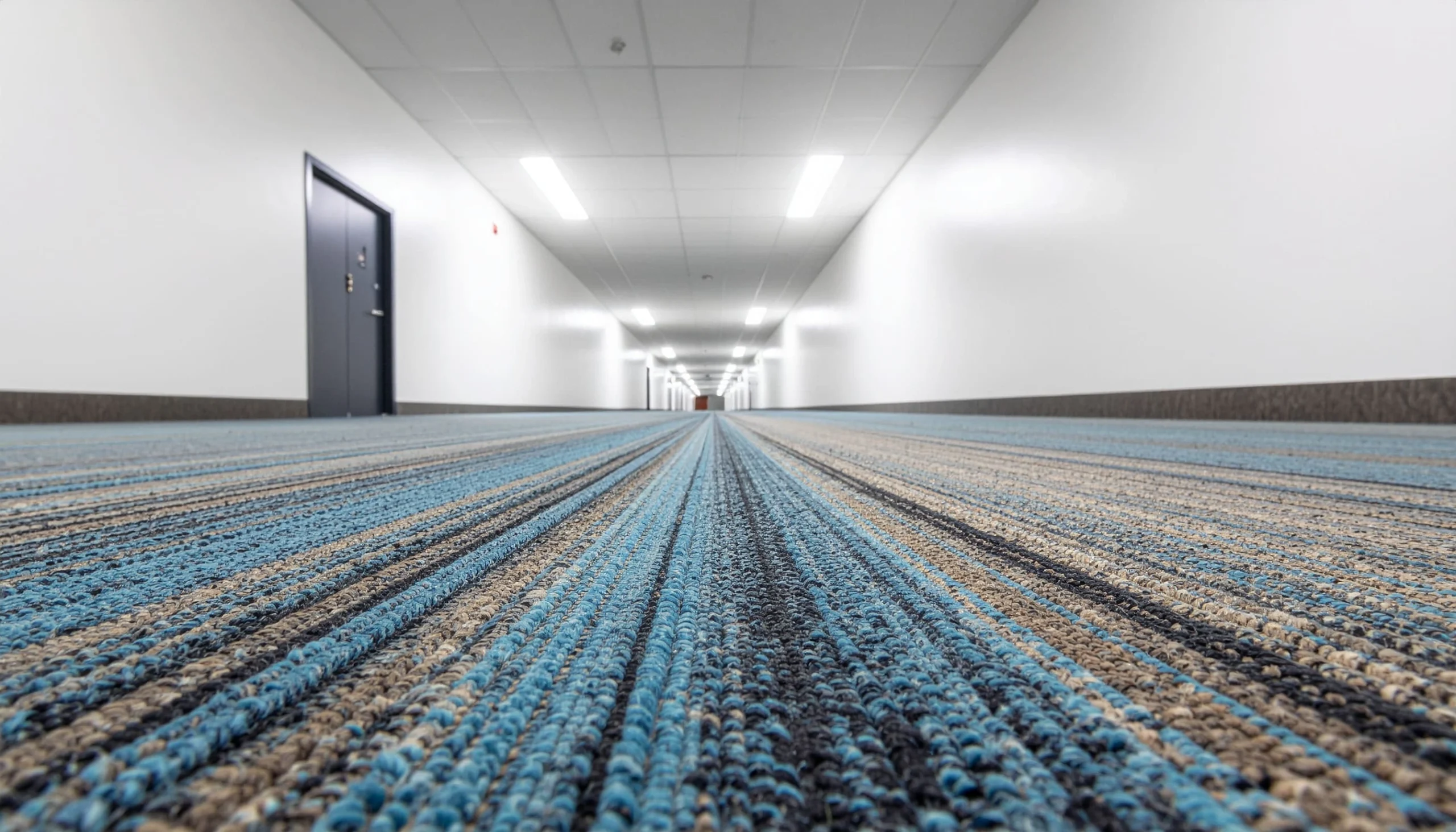
Hallways take more punishment than almost any other part of a building. They funnel foot traffic from entry points to offices, classrooms, hotel rooms, and apartments, collecting dirt, moisture, salt, and grime with every pass. Unlike carpeted rooms where people settle and stay, hallways are transit zones. They’re walked on constantly, rarely rested, and often ignored until the carpet looks visibly worn or smells stale.
That’s when facility managers and cleaning contractors realise the difference between surface-level maintenance and genuine hallway carpet cleaning. A quick vacuum removes loose debris, but it doesn’t address the compacted soil, oils, and allergens embedded deep in the fibres. For that, you need extraction equipment, and you need to know how to use it properly.
Too many operators rush through hallway cleaning with professional extraction equipment, leaving carpets over-wet, poorly rinsed, or dried unevenly. The result? Carpets that re-soil quickly, develop odours, or show traffic patterns within days. This guide walks through the process step-by-step, ensuring you achieve results that last.
Why Hallways Demand a Different Approach
Professional suppliers like Weskleen Supplies recognise that hallway cleaning presents unique operational challenges compared to room-by-room approaches.
Hallways concentrate foot traffic into narrow, predictable paths. Entry points wear dramatically faster than side areas. Main corridors show visible traffic lanes within months of installation if not properly maintained. Secondary hallways develop more gradual wear patterns but eventually show the same progression: freshly installed vibrant colour → subtle traffic shading → obvious dark lanes → permanent wear patterns.
Weather introduces external contamination that room cleaning rarely encounters. Salt from winter roads, moisture from rainy entries, and fine dust from outdoor areas all get tracked into hallways. This creates multiple soil layers, surface dust, ground-in soil, salt deposits, and moisture-related residues, that require systematic removal.
Hallways rarely allow closure for extended drying periods. Unlike conference rooms or offices that can stay closed during or after cleaning, hallways must remain passable. Heavy foot traffic during drying can damage freshly cleaned carpet and redeposit dirt. The operational constraint means you must achieve faster drying times without sacrificing cleaning quality.
The cumulative impact of neglect accelerates carpet degradation. Hallways that receive only weekly vacuuming without periodic extraction develop matted, discoloured appearance much faster than properly maintained spaces. Once traffic lanes set in, they’re difficult to remove without intensive cleaning and often impossible to fully eliminate. Prevention through regular extraction is far more effective than trying to restore severely matted sections.
Pre-Cleaning Preparation: Set Yourself Up For Success
Before extracting a single hallway section, preparation work determines whether you’ll achieve professional results or disappointing outcomes.
Reconnaissance and soil assessment starts by walking the hallway and identifying different soil types and intensities. High-traffic areas near entry points require heavier treatment. Sections with visible staining need pre-treatment. Areas with carpet matting require more aggressive agitation. This 5-10 minute assessment prevents guessing during actual cleaning.
Loose debris removal matters more than many operators realise. A thorough vacuum, not a quick once-over, removes loose dirt that clogs recovery systems and reduces extraction efficiency. Spend time on this step. Move slowly, make overlapping passes, and ensure you’re reaching edges and corners where dust accumulates.
Spot-treatment strategy for stubborn stains involves applying appropriate cleaning solution 15-20 minutes before extraction. This dwell time allows chemistry to work on set-in marks. During dwell time, you can be preparing adjacent sections or refilling solution tanks. The brief wait dramatically improves your success rate on problem stains.
Equipment readiness checks prevent mid-job problems. Verify tanks are empty and rinsed, solution is fresh, all hoses are connected, spray jets aren’t clogged, and the machine operates at full power. Five minutes of checking prevents 30 minutes of troubleshooting later.
Step 1: Pre-Spray The Hallway
Pre-spray application saturates carpet with cleaning solution and allows chemistry time to dissolve soiling before mechanical extraction.
Dwell time chemistry works through solution contacting soil compounds and suspending them for easier removal. Different solutions require different dwell times, typically 15-20 minutes for general cleaners, 30 minutes for enzyme treatments of protein stains, 10-15 minutes for encapsulation pre-sprays. Reading product instructions and following timing prevents wasting product and ensures effectiveness.
Application technique means walking at consistent speed, maintaining even wand height 15-20cm above carpet, and applying uniform solution coverage. Over-application creates excessive moisture and extends drying time. Under-application leaves dry spots that don’t receive proper cleaning. Aiming for carpet to appear wet but not saturated is the target.
Over-wetting prevention during pre-spray is critical. You’re not trying to soak the carpet, you’re applying cleaning chemistry. If solution is pooling or carpet is dripping wet, you’re applying too much. Dial back the flow rate and move slightly faster.
Chemical selection for the hallway’s specific soils determines effectiveness. High-traffic areas with ground-in soil need alkaline cleaners that dissolve oils. Stained sections with protein-based marks (coffee, blood, food) benefit from enzyme treatments. Salt deposits from winter roads sometimes require specific treatments designed for mineral residue. Products like Comet Foaming Cleaner & Sanitiser provide disinfection alongside cleaning for high-traffic commercial hallways. Choose chemistry based on identified soil types rather than using generic “all-purpose” solutions.
Step 2: Extract In Slow, Overlapping Passes
Extraction is where most operator mistakes happen. Proper technique requires patience and consistency.
Proper wand positioning means holding the extraction wand at 45 degrees to the carpet surface, maintaining consistent height, and keeping it in contact with the carpet during the forward stroke. This angle creates optimal solution application and vacuum contact.
Movement speed is typically 30cm per second, slow enough to allow the vacuum time to recover moisture and solution, but fast enough to cover the hallway efficiently. Moving too quickly leaves solution behind; moving too slowly risks over-wetting. The right speed takes practice but becomes automatic with experience.
Overlap importance cannot be overstated. Each pass should overlap the previous pass by approximately 15cm. Missing overlap creates dry strips between cleaned areas. Excessive overlap (50%+) is wasteful but still better than missing coverage.
Technique variation consequences show up within days. If one section is extracted properly and an adjacent section is rushed, the rushed section will re-soil faster and show darker, matted appearance within a week. Consistency across the entire hallway determines whether results look professional or uneven.
Extraction pass methodology involves working from the far end of the hallway backward toward the exit. This prevents walking on freshly extracted carpet and ensures consistent coverage.
Step 3: Agitate Stubborn Areas
After extraction passes, some problem areas may still show staining or matting that requires additional attention.
When additional agitation is necessary becomes obvious once you’ve extracted most of the hallway. If visible stains remain or carpet is visibly matted, additional agitation will help. If the carpet looks acceptably clean, additional agitation is unnecessary and wastes time.
Agitation technique involves using a grooming brush or extraction wand’s bristles (if equipped) to gently agitate fibres upward and loosen compacted soil. Use moderate force, aggressive scrubbing damages fibres without improving cleaning results. The goal is loosening soil, not attacking the carpet.
Fibre damage prevention means avoiding excessive force or repeated aggressive agitation in the same spot. One or two gentle agitation passes are typically sufficient. Heavy-handed agitation can actually damage carpet fibres and create permanent wear in problem areas.
Follow-up extraction importance means immediately extracting agitated areas to remove loosened soil and solution. Don’t agitate multiple areas then extract them all together, agitate one section and immediately extract it while chemical action is active.
Problem area identification during agitation helps you learn which spots need extra attention during regular maintenance. Traffic pattern sections always need more aggressive treatment. Edge areas often hide concentrated soil. These problem spots guide your approach on future cleanings.
Step 4: Maximise Dry Time With Proper Extraction
The final step before grooming is a suction-only pass to remove maximum moisture.
Suction-only pass technique involves setting the solution flow to zero and making final passes over the entire hallway, extracting remaining moisture without adding more solution. This dramatically reduces drying time.
Final pass importance is often overlooked by operators who consider extraction complete once visible solution stops coming out. That final dry pass removes significant additional moisture and is the difference between 4-hour drying versus 8-hour drying.
Moisture removal optimization through the suction-only pass reduces the ambient moisture that promotes odour and slow drying. In humid conditions, this step is particularly critical.
Ventilation requirements during and after cleaning accelerate drying. Open hallway windows, activate HVAC systems to maximum circulation, and position portable fans to move air across cleaned carpet. On dry days with low ambient humidity, drying happens quickly. On humid days, active ventilation becomes essential.
Drying time implications of proper technique mean hallways cleaned in the morning are often walkable by afternoon. Improperly extracted hallways might stay damp overnight, requiring foot traffic diversion and extended drying time.
Step 5: Groom And Protect
After extraction, carpet grooming restores appearance and optional protector application extends cleanliness.
Carpet grooming importance restores pile direction and improves appearance. As carpet dries, fibres can dry in random directions, creating a matted or uneven appearance. Grooming with microfibre mop heads or dedicated grooming brushes lifts pile and orients fibres upright, significantly improving appearance once dry. Alternatively, professional grooming equipment provides more aggressive lift for severely matted sections.
Pile lifting benefits extend beyond appearance to actual performance. Lifted pile is less prone to re-soiling and resists matting from foot traffic. Flattened pile becomes noticeably soiled much faster than properly groomed carpet.
Carpet protector applications create a barrier that resists staining and soil adhesion. Professional-grade protectors make subsequent cleaning easier and extend the time between deep cleanings. Not all hallways require protection, but high-traffic areas benefit significantly.
When protector is beneficial is typically in premium hallways, areas adjacent to food service or frequent spill sources, and high-visibility spaces where appearance standards are critical. Standard hallways can skip protection without compromising results.
Fibre recovery support from grooming and protection helps hallways maintain appearance between scheduled extractions. Regular maintenance cleaning followed by proper grooming keeps hallways looking fresh.
Common Mistakes To Avoid
Learning from others’ mistakes helps you avoid the same problems.
Over-wetting dangers include extended drying times, potential mildew development, moisture reaching carpet backing and causing degradation, and creating conditions that attract re-soiling. Under-application is far safer than over-application when in doubt.
Excessive detergent problems involve residues that attract soil and reduce drying speed. More solution doesn’t improve cleaning results, proper chemistry and adequate dwell time matter far more than solution quantity. Follow manufacturer dilution recommendations exactly.
Pre-vacuum importance cannot be understated. Hallways with heavy loose dirt don’t clean well without thorough pre-vacuuming. The difference between a quick vacuum and a thorough one often determines whether results look professional or mediocre.
Edge and corner negligence means missing the carpet margins where edges meet walls and interior corners collect soil. These areas deserve careful attention during extraction. Many operators focus on open hallway sections and neglect the edges, resulting in visibly uneven results.
Rinsing criticality means following up extraction with clear-water rinses to remove detergent residue. Solution residue attracts soil and causes rapid re-soiling. One or two rinse passes with clear water significantly extend the time until re-soiling becomes visible.
Equipment Maintenance: Keep Your Machine Running Strong
Professional equipment requires consistent maintenance to prevent failures and extend lifespan.
Daily post-job maintenance involves emptying and rinsing both tanks thoroughly, flushing the system with clean water to remove solution residue, checking and cleaning intake filters, and verifying all hoses are unkinked and clear. This 10-15 minute routine prevents 90% of operational problems.
Filter inspection requirements mean checking intake filters weekly and replacing them when visibly dirty. Clogged filters reduce vacuum power and cleaning effectiveness. Filters are inexpensive and easy to replace, never operate with a dirty filter.
Hose integrity checks involve inspecting for cracks, splits, or blockages that reduce vacuum or create leaks. A damaged hose reduces system performance significantly and should be replaced immediately.
Tank inspection means checking for cracks, damage to seals, and ensuring both solution and recovery tanks seat properly without leaks. Damaged tanks compromise operation and potentially damage carpets.
Heating element verification ensures the machine maintains solution temperature. Loss of heating indicates a problem requiring professional service. Temperature is critical for cleaning effectiveness, so heating issues need immediate attention.
Annual professional service provides comprehensive inspection and maintenance that extends equipment life by years. Professional servicing includes seal replacement, pump pressure verification, motor testing, and calibration adjustments that maintain performance standards.
When To Escalate To Professional Services
Certain situations warrant professional contractor involvement rather than in-house equipment operation.
Extensive damage or heavily matted carpet sometimes requires equipment beyond standard commercial units or techniques beyond operator capability. Professional contractors have access to truck-mounted systems with greater power and water heating capacity than portable units.
Carpet backing damage or severe moisture concerns indicate problems that potentially affect the entire carpet installation. If you encounter soft areas, strong mildew odours, or carpet movement, professional assessment and specialized treatment may be necessary.
Stains that resist standard treatment sometimes require chemical treatments or techniques beyond standard extraction. Professional cleaners have access to specialty products and techniques for particularly stubborn problems.
Time constraints making extensive hallway cleaning impractical for in-house staff might justify professional contractor involvement, particularly for large buildings requiring multiple days of in-house cleaning.
In most situations, regular in-house extraction using the techniques outlined in this guide maintains hallway carpets effectively. Professional services provide backup for exceptional situations rather than routine maintenance.
Conclusion
Professional suppliers provide a full range of professional-grade carpet cleaning machines and accessories designed for high-traffic commercial environments. Whether you’re outfitting a new team or upgrading worn equipment, choosing reliable tools backed by local support makes every job easier. Contact Weskleen Supplies or call 1800 728 926 to discuss your specific cleaning challenges or get advice on equipment selection from specialists who understand commercial cleaning requirements.