


Blog
Mr Bean 5L Concentrated Cleaner: The Choice for Perth Professional Cleaners

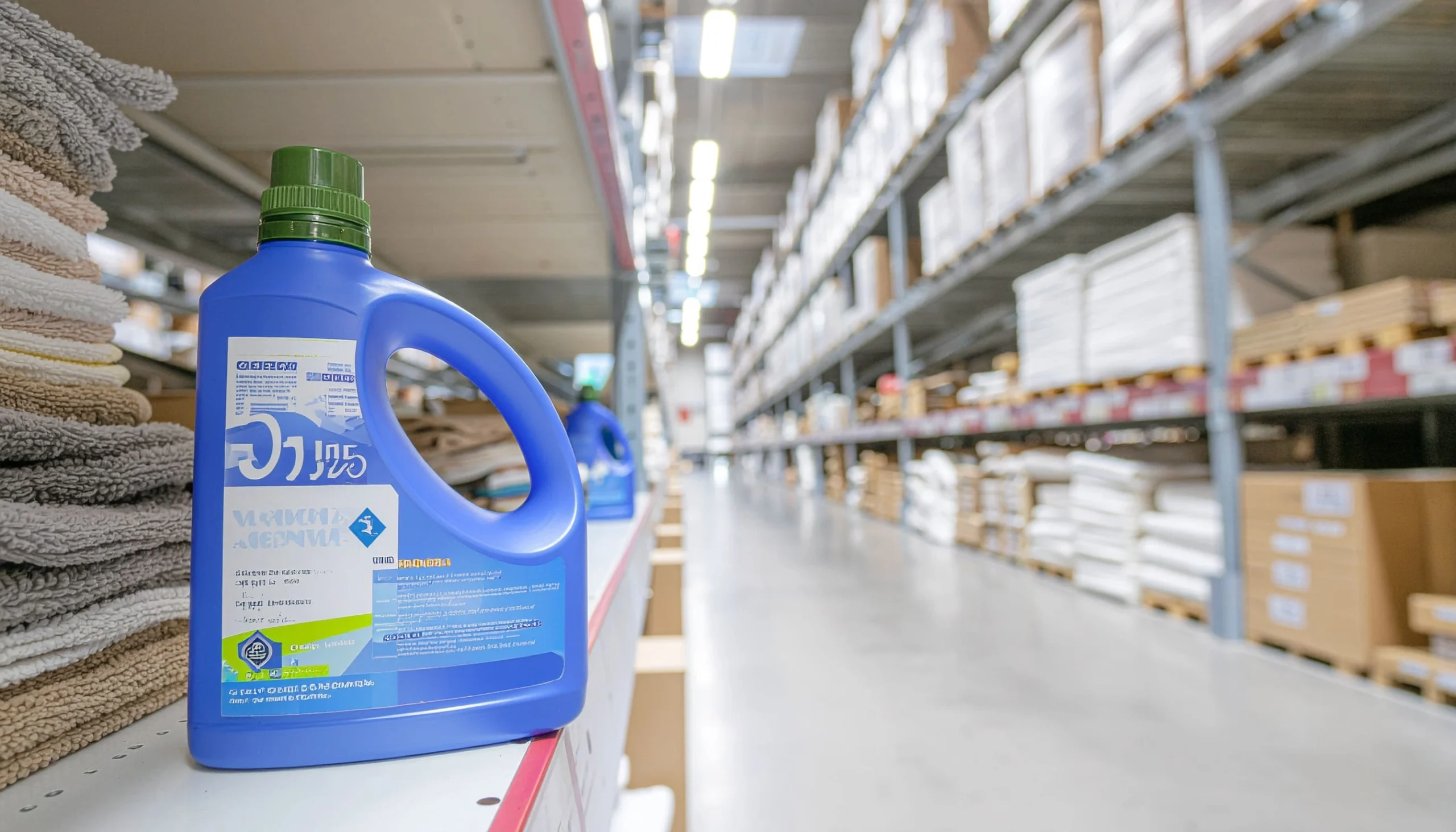
When you are cleaning 40 offices before sunrise or maintaining a shopping centre that sees 10,000 visitors daily, you cannot afford products that work only half as well as they promise. Professional cleaners know this truth intimately. The difference between a concentrated chemical and a ready-to-use spray is not just about bottle size. It is about control, cost-efficiency, and the ability to adjust cleaning power to match the exact task at hand.
Think of it like buying coffee beans versus pre-made coffee. One gives you flexibility and exceptional value, while the other limits you to a single strength and costs significantly more per cup. For operations upgrading their commercial cleaning supplies perth, understanding how to harness high-yield chemicals is the foundation of a profitable business. But what makes a concentrated formula actually professional-grade?
What Makes a Concentrated Cleaner Actually Professional-Grade
Not all bulk chemicals earn the “professional” label honestly. Walk into any hardware store and you will find dozens of products claiming commercial strength, but the chemistry tells a different story entirely.
Real commercial formulas deliver three non-negotiable qualities: they dilute at ratios that make economic sense (typically 1:20 to 1:100), they maintain cleaning effectiveness across multiple dilution rates, and they work consistently in Perth’s notoriously hard water conditions. A mr bean floor cleaner achieves all three, which explains why contract cleaners order it by the pallet rather than the bottle.
The formulation contains surfactants that break down oils and grime without requiring hot water. This is a practical advantage when you are filling buckets from cold taps during early morning cleans. The pH sits in the neutral-to-alkaline range, making it safe for daily use on most hard surfaces without the accelerated wear you would typically see from harsh degreasers.
Here is what matters in real-world terms. A single 5L container creates between 100 to 500 litres of cleaning solution depending on the application. For a medium-sized cleaning business servicing 20 commercial clients weekly, that is roughly two months of general-purpose cleaning from one container.
The Coffee Scent Isn’t Just Marketing
Professional cleaners initially dismiss the coffee fragrance as a gimmick. Then they work a shift in an office kitchen at 6 AM, or clean a medical waiting room, and they immediately understand the value.
Traditional commercial cleaning supplies smell like chemicals. That sharp, synthetic scent announces “this space was just cleaned” but does not exactly invite people to linger. The rich coffee aroma creates a completely different psychological response. It smells like a space where people want to be, not a space that has just been aggressively sanitised.
A Perth café owner shared an interesting experience with us. She had been using a standard citrus cleaner for years, switching over when her usual supplier ran short. Within two days, three separate customers commented that the café “smelled even better than usual.” She has not switched back since.
The scent does not mask poor cleaning; it complements effective cleaning. There is a vital difference. The surfactant blend still does the chemical work of breaking down soils and suspending them for removal. The coffee fragrance just makes the environment more pleasant while that chemistry happens.
Dilution Ratios That Match Real Cleaning Scenarios
Here is where concentrated chemicals either prove their worth or expose their limitations. Professional cleaning is not a one-size-fits-all endeavour. You need different strengths for different challenges.
Light Daily Cleaning Applications
For light daily cleaning, such as dusting desks, wiping door handles, and general maintenance, dilute the product at 1:100. One 50ml capful in a 5-litre bucket creates enough solution to damp-mop 200 square metres of office space effortlessly.
Moderate Soiling and High-Touch Surfaces
For moderate soiling across kitchen counters, bathroom sinks, and high-touch surfaces, use a 1:50 ratio. This ratio handles everyday grime in commercial kitchens, retail bathrooms, and public areas without leaving sticky residues behind.
Heavy-Duty Degreasing
For heavy-duty applications like degreasing kitchen floors, cleaning industrial break rooms, or removing built-up grime, drop the ratio to 1:20 or even 1:10. At this concentration, it acts as a heavy-duty cleaner and tackles jobs that would otherwise require specialised degreasers.
As a versatile concentrated multi purpose cleaner, the ability to adjust strength means you are not buying three different products for three different jobs. You are buying one product and adapting it, which matters immensely when you are managing inventory for a cleaning business or stocking a facilities cupboard with limited space.
Cost Analysis: Why Concentrated Makes Economic Sense
Let us run the numbers that cleaning business owners actually care about. A 5-litre container costs significantly less per litre of usable cleaning solution than ready-to-use sprays. At a 1:50 dilution, the most common ratio for general commercial cleaning, that 5L container produces 250 litres of working solution.
Compare that to ready-to-use spray bottles. You would need roughly 250 individual 1-litre spray bottles to match the same output. Even accounting for the cost of spray bottles and the labour time to mix solutions, the concentrated format delivers 60-70% cost savings.
For a cleaning business running tight margins, and most do, that difference determines whether you are profitable or just busy. One Perth-based contract cleaner calculated that making the switch saved his five-person operation $340 per month. Over a year, that is $4,080. That is enough capital to purchase a quality backpack vacuum or fund a significant commercial cleaning equipment upgrade.
The environmental math works out favourably too. You have fewer plastic bottles in circulation, reduced transport emissions because you are shipping concentrated product rather than water, and significantly less packaging waste overall.
Compatibility With Professional Cleaning Systems
Concentrated chemicals need to play well with the equipment and methods that professional cleaners actually use. A high-quality mr bean floor cleaner integrates smoothly into several common workflows.
Spray-and-Wipe Systems
Mix the product at the appropriate dilution in spray bottles for quick surface cleaning. The low-foam formulation means it does not leave streaks on glass or polished surfaces when wiped properly.
Mop-and-Bucket Cleaning
The neutral pH will not damage microfibre materials or degrade them prematurely. We have seen cleaning crews use the same quality mop heads for 6-8 months with regular washing. Proper chemical selection matters heavily for equipment longevity.
Auto-Scrubber Applications
While you would typically use purpose-formulated solutions in heavy machinery, it works in a pinch for light maintenance cleaning with walk-behind floor scrubbers. The controlled foam means it will not cause issues with sensitive vacuum recovery systems.
What It Won’t Do (And Why That Matters)
Honest product assessment includes acknowledging limitations. The product is a concentrated multi purpose cleaner, with an emphasis on “multi purpose,” not “miracle worker.”
It will not replace dedicated sanitisers in high-hygiene environments. If you are cleaning medical facilities, food preparation areas, or anywhere that requires documented disinfection, you need specialised antimicrobial products like the Comet Foaming Cleaner & Sanitiser that meet specific healthcare standards.
It will not remove heavy limescale or mineral deposits. Perth’s hard water creates buildup that requires acidic cleaners to dissolve effectively. The neutral-to-alkaline pH makes it safe for regular use but completely ineffective against calcification.
It will not strip old floor finish or remove cured adhesives. Those jobs need specialised strippers or targeted aerosols like the Goof Off adhesive remover that target specific chemical bonds. Understanding these boundaries prevents misuse and disappointment. Use the product for what it excels at, and reach for specialised tools when the task demands them.
Storage and Handling Considerations
Concentrates require slightly more attention to storage than ready-to-use products, but nothing that complicates professional operations. Store containers in a cool, dry location away from direct sunlight. Perth’s summer heat can affect product stability if bottles sit in hot vehicles or storage sheds for extended periods. A climate-controlled storage room maintains product consistency.
Keep containers sealed when not in use. This prevents contamination and reduces evaporation of volatile components. Label diluted solutions clearly. When you mix working solutions in spray bottles or buckets, mark them with the dilution ratio and date. This prevents confusion during cleaning operations and ensures quality control across multiple staff members.
The product has excellent shelf stability when stored properly, typically 18-24 months from manufacture. Unlike some natural or enzyme-based cleaners that degrade quickly, the synthetic surfactant formulation maintains its effectiveness as a heavy-duty cleaner over time.
Training Staff to Use Concentrated Products Effectively
The biggest challenge with bulk chemicals is not the product itself; it is ensuring your cleaning team uses them correctly. We have seen businesses waste money and get poor results simply because staff did not understand dilution principles.
Create clear dilution charts that show exactly how much concentrate to add to specific container sizes. Visual guides work significantly better than written instructions. A chart showing “2 capfuls in a 5L bucket for general cleaning” gets followed more reliably than “dilute at 1:50 ratio.”
Provide measuring tools like marked bottles or measuring cups. Guessing at dilution creates inconsistent results and wastes product. A small measuring cup prevents hundreds of dollars in overuse. Explain the why, not just the how. When cleaners understand that using too much concentrate does not improve cleaning, and actually creates sticky residue problems, they are far more likely to follow proper dilution guidelines.
The Perth Advantage: Local Supply and Support
Sourcing commercial cleaning supplies perth locally matters more than many businesses realise. Do you need to restock mid-week because a new contract increased your cleaning volume? Local supply means same-day or next-day availability, not waiting weeks for interstate shipments.
The local connection also means understanding regional challenges. Perth’s water hardness, the red dust that infiltrates buildings, and the specific cleaning demands of our mining, healthcare, and education sectors all influence maintenance protocols. Product recommendations from Weskleen Supplies come from practical knowledge, not generic advice.
Building a Complete Cleaning System
A high-yield chemical works most effectively as part of a complete cleaning system, not as an isolated product. Professional cleaners typically pair it with complementary tools and commercial cleaning equipment.
Combine it with quality microfibre cloths for efficient surface cleaning. The low-residue formula works particularly well with microfibre systems that rely on mechanical cleaning action rather than heavy chemical concentration.
For facilities with extensive soft flooring, pair general surface cleaning with dedicated carpet cleaning machines for comprehensive maintenance. Different surfaces need different approaches. Trying to clean carpets with a solution designed for hard surfaces always delivers poor results.
Making the Switch: Practical Implementation
Transitioning from ready-to-use products to concentrates requires minimal adjustment but delivers immediate benefits for your commercial cleaning supplies perth inventory. Start with one cleaning team or location rather than switching your entire operation simultaneously. This allows you to refine dilution procedures and train staff without risking service quality across all accounts.
Stock appropriate dispensing equipment, including spray bottles, buckets, and measuring tools. Track product usage for the first month. Calculate how much working solution you are creating from each container and compare costs to your previous ready-to-use products. The savings become immediately apparent, reinforcing the change.
Gather feedback from cleaning staff. They will notice whether the product performs as an effective heavy-duty cleaner, whether the scent is pleasant, and whether it causes skin irritation. Their practical experience validates the switch. Most cleaning businesses find that concentrated products become their new standard within 2-3 weeks of initial adoption.
Conclusion
Professional cleaning is not about using the fanciest products or the most expensive equipment. It is about understanding the chemistry, economics, and practicality of the tools you use every day. A concentrated multi purpose cleaner like a mr bean floor cleaner represents the kind of sensible, effective solution that professional cleaners build their operations around. It is flexible enough to handle diverse tasks, economical enough to protect margins, and reliable enough to stake your reputation on.
Whether you are running a commercial cleaning business or managing facilities for a large organisation, the principles remain the same. Choose commercial cleaning supplies that work consistently, train people to use them properly, and build systems that deliver quality results efficiently. If you need assistance structuring your chemical inventory or selecting the right tools for your team, contact us on 1800 728 926 for expert advice. It is not complicated; it is just professional support from Weskleen Supplies.