


Blog
Maximising the Winter Break: Deep-Cleaning Perth Classrooms with Carpet Extraction

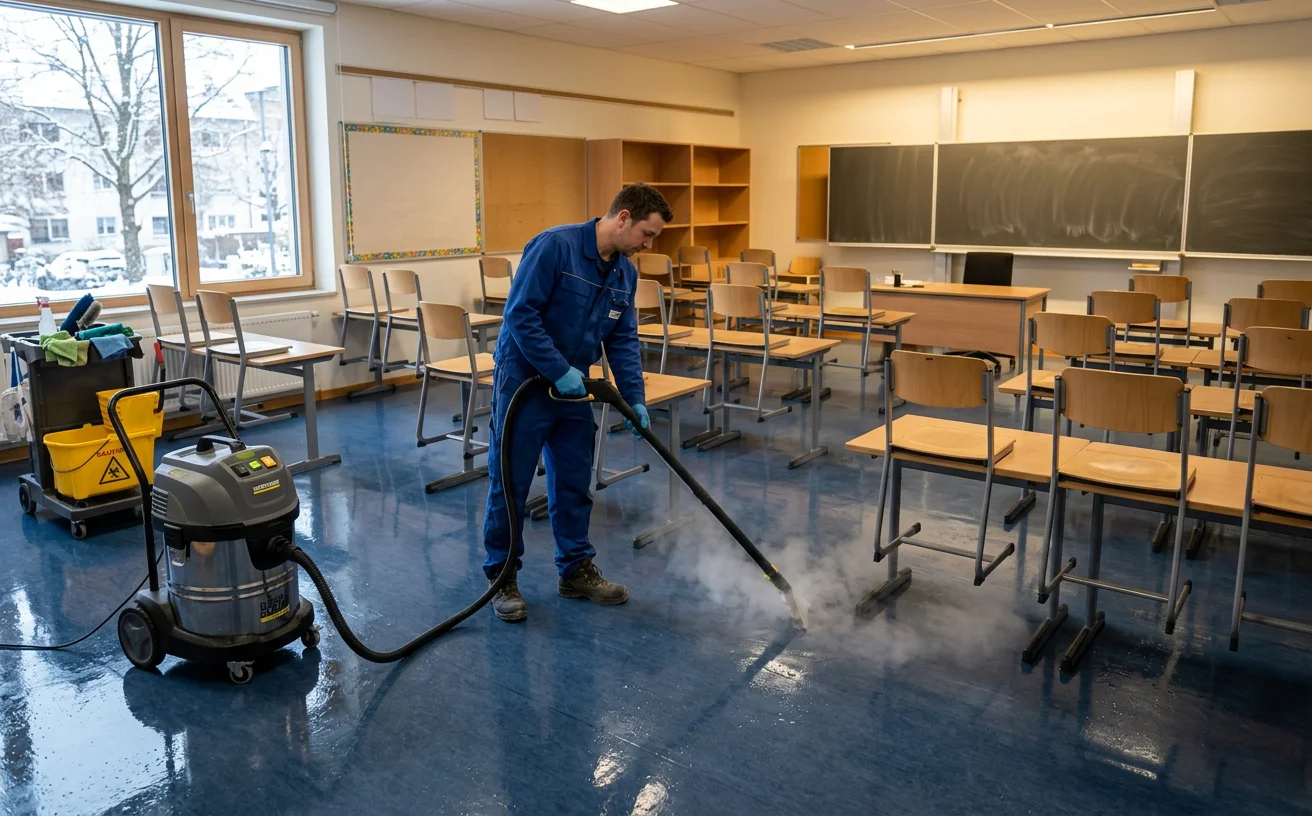
Winter break gives Perth schools a short maintenance window. Classrooms are empty, furniture can move, and damp-weather residue can be treated before the next term.
Educational facility care during this period should focus on jobs that are hard to complete while students are present. Soft-surface extraction is one of those jobs.
Why Winter Break Is Different
During term time, cleaning must work around lessons, staff meetings, after-school care, and locked rooms. Break periods create breathing space for deeper work.
A carpet extractor can support carpet and upholstery recovery when the site plans the sequence properly. The machine still needs dry vacuuming, spot checks, and drying time.
Lower Room Pressure
Empty classrooms make it easier to move chairs, inspect corners, and control wet zones. Staff can clean methodically instead of rushing around a bell schedule.
This is valuable for educational facility care because classroom cleaning affects comfort and presentation. A cleaner room also gives teachers a better reset before students return.
Better Time For Drying
Winter can slow drying if rooms are cold or poorly ventilated. The advantage is that classrooms may stay empty long enough for controlled drying.
That makes scheduling important. A carpet extractor should be used with realistic room-by-room timing.
Planning The Deep-Clean Route
A useful winter programme starts before the first machine is filled. Staff should list rooms, soft surfaces, access points, and drying concerns.
We stock commercial cleaning equipment that schools can match to the actual room route.
Rank Rooms By Need
Start with rooms that show the most wear. Early-years classrooms, art rooms, libraries, and admin waiting areas often carry mixed soil.
Then add lower-risk rooms if time allows. This keeps educational facility care focused on visible benefit.
Move Furniture Safely
Furniture should be moved only where staff can do it safely. Heavy items may need to stay in place with edges cleaned carefully.
A plan should identify where moved furniture will sit while carpet dries. Piling chairs on damp carpet can mark the surface.
Identify Stain Hotspots
Spills near bag racks, art benches, and reading mats should be checked before extraction. Some stains need pre-treatment or careful repeat passes.
A carpet extractor is more useful when the operator knows the problem areas before starting. Random passes can miss the real issue.
Equipment And Product Readiness
The machine should be inspected before the holiday window begins. Hoses, tanks, cords, and attachments should be ready before staff lose time.
The Steamvac HP Auto 2 is a relevant extractor option for school carpet and upholstery tasks. It still needs correct setup and care.
Check Tanks And Hoses
A blocked hose or dirty recovery tank can ruin a tight schedule. Tanks should be clean, fittings secure, and waste-water disposal planned.
This small preparation step protects the winter break window. It also prevents staff from improvising with unsuitable equipment.
Prepare Dry Soil Removal
Vacuuming should happen before wet extraction. Loose grit can become mud when water is added.
The Pacvac Superpro 700 Vacuum Cleaner can support pre-cleaning in rooms with desks and shelves. Backpack access helps staff work around furniture.
Keep Detail Tools Nearby
Corners, chair legs, skirting edges, and mats need separate attention. A deep clean looks unfinished when the middle is bright and the edges remain dull.
The detail kit should be ready before the machine starts. That avoids walking wet soil back through the room.
Using Extraction Without Over-Wetting
More water does not equal better cleaning. Over-wetting can slow drying and bring old stains back to the surface.
Make Controlled Passes
Operators should make steady passes and avoid flooding the carpet. Recovery should happen while the soil is suspended, not long after the surface is soaked.
This is where a carpet extractor needs trained use. The power is helpful only when paired with controlled recovery.
Watch For Wick-Back
Some stains reappear as the carpet dries. An Enduro Microfibre Mop Head can detail hard edges once the carpet is dry.
Staff should inspect rooms after drying, not only immediately after cleaning. A second detail pass may be needed.
Manage Airflow
Open doors, safe ventilation, and airflow planning can improve drying. Squeegees and mops can clear vinyl thresholds after extraction.
Educational facility care should include a room release check. Keep the extractor notes from Weskleen Supplies with that check.
Classroom Areas That Deserve Attention
A winter break clean should look beyond the centre of the floor. The most useful work often happens in small zones.
Bag And Entry Areas
Bag racks and entries collect wet shoes, sand, and dropped food. Dust control fringe mops can lift grit from those hard entries first.
They may need slower passes and post-drying inspection. A Hand Caddy keeps cloths and labelled bottles with the extractor.
Reading Corners
Libraries and reading mats can trap fine dust and snack residue. A visible clean in these areas improves the feel of the room.
The carpet cleaning machines category helps schools compare equipment for these recurring soft-surface tasks. It is useful when planning future maintenance cycles.
Admin And Staff Areas
Offices may be overlooked during classroom-focused work. A Pacvac Superpro Go Battery helps when a cord would cross stacked chairs.
Cleaning these areas during winter break can reduce disruption. A 16L Mop Bucket helps when recovery water has to leave the room cleanly.
Record Keeping For The Next Break
Good notes make the next school holiday easier. They do not need to be complex.
Track Room Results
Record which rooms were cleaned, drying time, stains found, and any follow-up needed. That creates a practical maintenance history.
For educational facility care, these notes help justify equipment, staffing, and timing. They also reveal which rooms need extra prevention.
Review Equipment Performance
If the extractor struggled in certain rooms, record why. It may be hose length, operator speed, carpet condition, or heavy soil.
This helps the school decide whether accessories or a different process are needed. It avoids blaming the machine for every problem.
Plan Consumables Early
Cleaning products, gloves, and small tools should be checked before the next break. Running out halfway through a holiday clean wastes the quiet period.
Plan stock and accessories around term dates, not after the holiday window has already started.
Winter Break Quality Checks
The last day of the clean should not be treated as a race to lock the rooms. Quality checks protect the work already completed.
Inspect After The Carpet Dries
Wet carpet can look cleaner than it is. Staff should check rooms again after drying, especially near entries, bag racks, and art benches.
This second look finds wick-back marks and missed edges. It also confirms whether a room is ready for furniture reset.
Reset Furniture Carefully
Furniture should return only when the surface is dry enough. Chair legs, book tubs, and mobile cupboards can leave marks on damp carpet.
Use a room-by-room sign-off if several people are helping. It stops one cleaned area being reopened too early.
Note Rooms That Need Prevention
Some marks return because the source is still present. Wet entry paths, loose art materials, and snack areas can create repeat problems.
A prevention note can be more useful than another clean. It tells the school what to change before the next term.
Keep A Small Exception List
Not every stain will respond to the first clean. Record stubborn marks, damaged carpet, odour, or slow drying.
That list helps staff decide whether a second pass, product change, or specialist review is needed. It also makes the next break easier to plan.
Leave A Handover Note
The cleaner, business manager, and teaching staff may not see the same rooms during the break. A short handover note keeps everyone aligned.
It can list rooms completed, rooms drying, rooms needing follow-up, and any equipment issues. That is enough for practical continuity.
Protect The First Week Back
The first week of term tests the cleaning result. Staff should watch entry mats, reading areas, and classrooms that showed heavy soil.
Small corrections early can protect the work. They also show whether the winter process needs changing next time.
FAQ
Why Use Winter Break For Classroom Extraction?
Rooms are easier to access, furniture can be moved, and drying time is less disruptive. It is a practical window for deeper soft-surface work.
Does A Carpet Extractor Remove Every Stain?
No. Some stains need pre-treatment, repeat attention, or specialist review. Extraction improves the process but does not guarantee every mark disappears.
Should Schools Vacuum Before Extraction?
Yes. Removing dry soil first helps the extractor focus on embedded residue and spots.
How Should Rooms Be Released After Cleaning?
Check dryness, odour, visible marks, and safe access. A room should not be used while carpet remains damp.
Conclusion
A winter break clean works well when rooms, equipment, drying time, and follow-up are planned together. Compare the extractor against the rooms that actually stay empty. Contact us if you need that shortlist checked against current stock.