


Blog
Safe Cleaning Methods for Wooden Floors in High-Traffic Areas

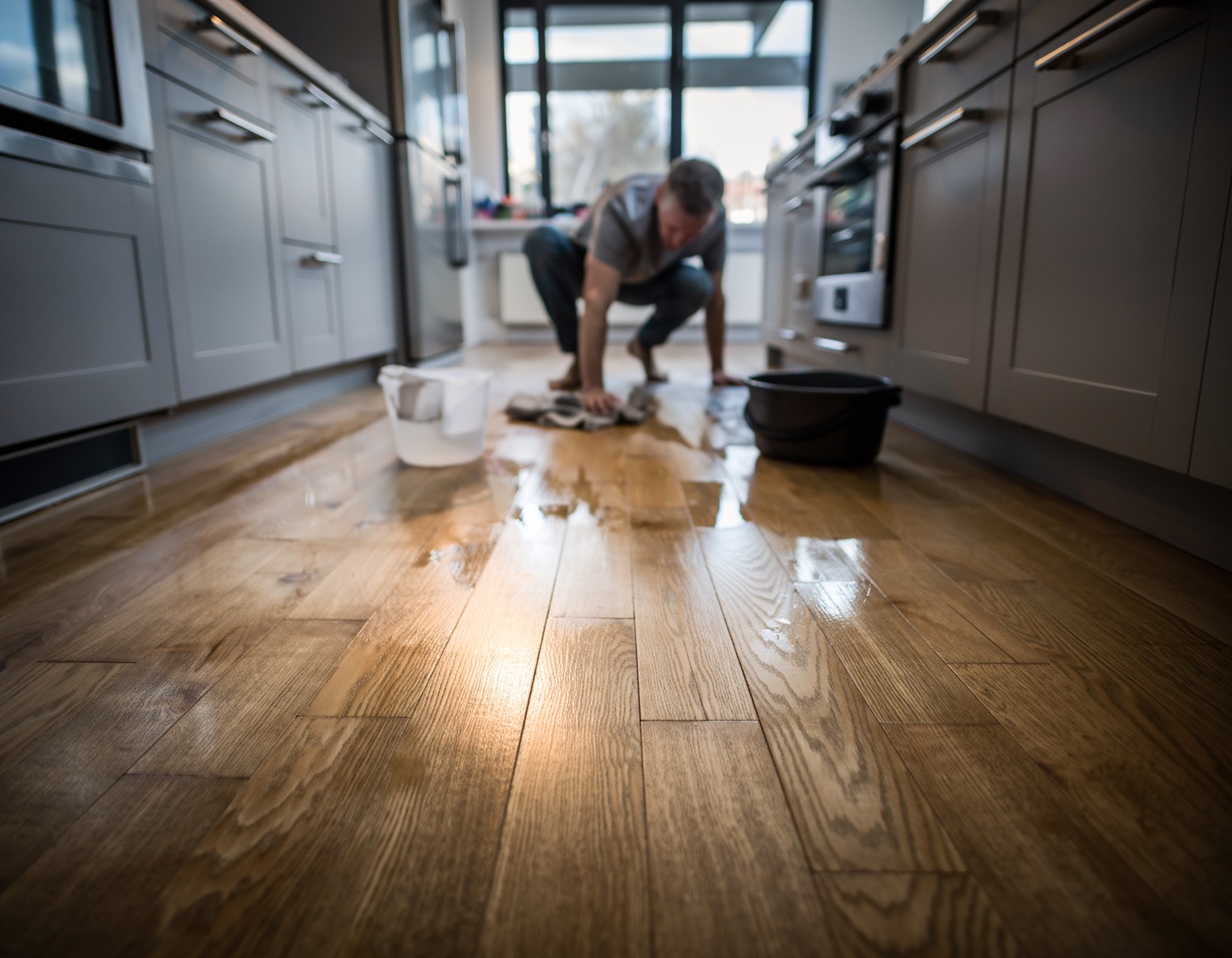
Wooden floors in commercial spaces and busy homes endure constant pressure. Foot traffic, spills, tracked-in grit, and occasional impacts all contribute to wear. The challenge is not only to keep these surfaces clean but also to preserve appearance and structural integrity under daily demand.
High-traffic wooden floor environments require a professional approach. Methods suited to a quiet bedroom do not withstand steady movement, moisture exposure, and accumulated grime in corridors, lobbies, retail aisles, and dining rooms. The difference between a floor that lasts decades and one that fails within a few years often comes down to technique, product choice, and moisture control.
Weskleen Supplies provides commercial-grade solutions and guidance that prioritise finish preservation, surface hygiene, and efficient workflows. For an overview of professional products and equipment, explore the full range from Weskleen Supplies.
Why High-Traffic Wooden Floors Need Specialised Care
Wood reacts to constant abrasion and moisture. The protective layer on wooden floors , polyurethane, oil-based, or water-based sealant, functions as a shield. Each cleaning session either maintains that shield or slowly erodes it. High-traffic routes already experience accelerated wear from foot friction, so aggressive products or over-wetting compound the problem.
In commercial entries and main corridors, contaminants such as oils, fine grit, and road residue increase abrasion. Without the right maintenance approach, finishes dull, scratches become prominent, and moisture penetrates the timber, leading to cupping or discolouration.
pH-neutral cleaners are essential because they remove soil without degrading finishes. The principle is simple: lift and capture dirt with minimal moisture and minimal chemical aggressiveness.
The Real Cost of Incorrect Cleaning
Using unsuitable solutions or methods can damage finishes quickly. Acidic homemade mixtures and strong alkaline degreasers strip protective coatings. In high-traffic spaces, damage appears rapidly as dark patches, premature dulling, or localised wear.
Moisture misuse creates additional risk. Repeated wet mopping drives water into joints and edges. Over time, expansion and contraction weaken fixings and cause board distortion. The direct cost of remedial work is significant, and there is added disruption during repairs.
Daily Maintenance That Prevents Wear
Dust control is the highest-value task. Grit acts like sandpaper underfoot, accelerating micro-scratching.
- Use dust control mops that trap fine particles rather than move them around. For reliable capture and easy laundering, see the range of dust control fringe mops.
- Operate in straight, slightly overlapping passes. Replace or launder mop heads frequently to avoid redepositing soil.
- Increase frequency according to traffic. Multiple light passes across the day outperform a single intensive session.
For open facilities that cannot pause activity, low-noise collection equipment maintains cleanliness without disruption. The Medusa Battery-Powered Sweeper is suitable for occupied areas and captures both fine and larger debris efficiently.
Wet Cleaning Without Causing Damage
Water management is critical. Aim for controlled moisture that removes residues while protecting timber.
- Adopt damp mopping, not wet mopping. The mop should be wrung until only lightly moist.
- Choose microfibre for precise liquid control. The Enduro Microfibre Mop Head holds solution well and releases evenly.
- Use a pH-neutral formulation designed for sealed wood. Mr. Bean 5L All-Purpose Cleaner removes grime without compromising finishes. Follow dilution guidance accurately.
- Work in sections from the far side to the exit. Figure-eight motions minimise the solution being pushed into board gaps. Replace solution when soiled.
Managing Spills and Local Staining
Rapid response prevents permanent marks and moisture ingress.
- Blot spills with absorbent cloths, then clean with a barely damp microfibre and neutral solution. Dry immediately.
- For sticky residues, apply product to the cloth, not the floor. Goof Off Adhesive Remover removes gum and sticker residue with precise control. Test on an inconspicuous area first.
- Lift light scuffs using a clean rubber block or soft pad. If needed, a small amount of bicarbonate of soda on a damp cloth provides mild, finish-safe abrasion.
Periodic Deep Cleaning for Restoration
Even with excellent routine care, films can build oup ver time. Deep cleaning removes embedded soil without harming the protective layer.
- In larger commercial spaces, an orbital-action machine is effective. The Polystar Orbital Floor Scrubber uses even, multi-directional movement that lifts ingrained dirt with minimal downward pressure, preserving sealed finishes. Use soft pads intended for wood, never aggressive scrubbing pads.
- In smaller zones, a soft-bristled brush with neutral cleaner lifts soil along the grain. Follow with a damp microfibre pass and thorough drying.
Adjust frequency to traffic level. High-traffic retail and hospitality often require monthly restorative cleaning. Offices may extend to quarterly.
Protecting High-Traffic Zones
Preventive measures reduce cleaning intensity and extend coating life.
- Place entrance matting that is at least three metres in the direction of travel to capture grit and moisture before it reaches timber. Clean mats frequently to maintain effectiveness.
- Use furniture pads under chairs and tables to prevent abrasion during movement. Select felt for light furniture and structured cups for heavier items.
- Employ seasonal runner rugs across the most stressed walkways during peak periods to protect finishes without compromising appearance.
Understanding Floor Finishes and Their Implications
Cleaning compatibility depends on finish type.
- Polyurethane finishes: Durable and moisture-resistant. Compatible with damp mopping using pH-neutral products.
- Oil-based finishes: More porous and require stricter moisture control. Prefer light damp cleaning with oil-safe products and periodic re-oiling.
- Wax finishes: Less common in high-traffic spaces due to maintenance demands. Use wax-safe cleaners only to avoid dulling.
Where finish type is uncertain, conduct a small test in a hidden corner before formalising procedures.
Equipment That Makes Moisture Control Easier
Correct tools support consistent, finish-safe cleaning.
- A 16L mop bucket with wringer gives precise moisture control across larger areas, reducing re-fill frequency.
- Backpack vacuums such as the Pacvac Superpro 700 improve dry soil removal across extensive floor plates where dust mops alone are insufficient.
- A compact hand caddy keeps neutral cleaner, cloths, and pads accessible so staff can treat spills immediately, avoiding set-in stains.
Training Staff for Consistency
Clear instructions ensure uniform results across shifts and teams.
- Provide concise, visual guides covering dilution, wringing level, pass patterns, and tool care.
- Standardise a colour-coded cloth system to prevent cross-contamination and protect finishes.
- Conduct short refresher sessions each quarter to correct drift from procedure and reinforce moisture discipline.
Seasonal Adjustments
Conditions change through the year and routines should reflect this.
- Wet months: Increase matting and cleaning frequency. Remove salt and moisture promptly to prevent residue and swelling.
- Humid periods: Reduce wet processes and emphasise dust control to limit additional moisture exposure.
- HVAC impacts: Maintain stable indoor temperatures to minimise expansion and contraction cycles.
When Professional Intervention Is Appropriate
Refinishing is required when wear patterns expose bare timber, water no longer beads on the surface, or colour variation develops along main paths. This is restoration rather than cleaning and should be planned before widespread coating failure.
Between full refinishes, professional deep-clean services can extract embedded residues beyond routine maintenance capability in large venues.
Building a Sustainable Routine
A practical, repeatable schedule outperforms an ideal yet unsustainable plan.
- Daily: dry soil removal with dust control mops or suitable collection equipment.
- Two to seven times weekly, depending on traffic: controlled damp mopping with pH-neutral cleaner.
- Monthly to quarterly: restorative deep cleaning matched to usage.
- Quarterly: review procedures, traffic patterns, and results; adjust frequencies and tools as needed.
Document actions, products, and observations to identify hotspots and refine allocation. For product guidance and tailored support, feel free to get in touch with the Weskleen team.
Recommended Products and Categories
- Dust capture and maintenance: Dust control fringe mops
- Precision damp mopping: Enduro Microfibre Mop Head
- Neutral daily cleaning: Mr. Bean 5L All-Purpose Cleaner
- Targeted residue removal: Goof Off Adhesive Remover
Long-Term Perspective
Wooden floors in high-traffic locations represent a significant asset. Protecting finishes through dust control, controlled moisture, neutral chemistry, and scheduled restoration extends service life and reduces ownership costs. Consistent, finish-safe practice is the factor that preserves appearance and performance year after year.For a complete selection of professional solutions and equipment, explore the full range from Weskleen Supplies.