


Blog
The Role of Cleaning in Asset Longevity and Value Retention

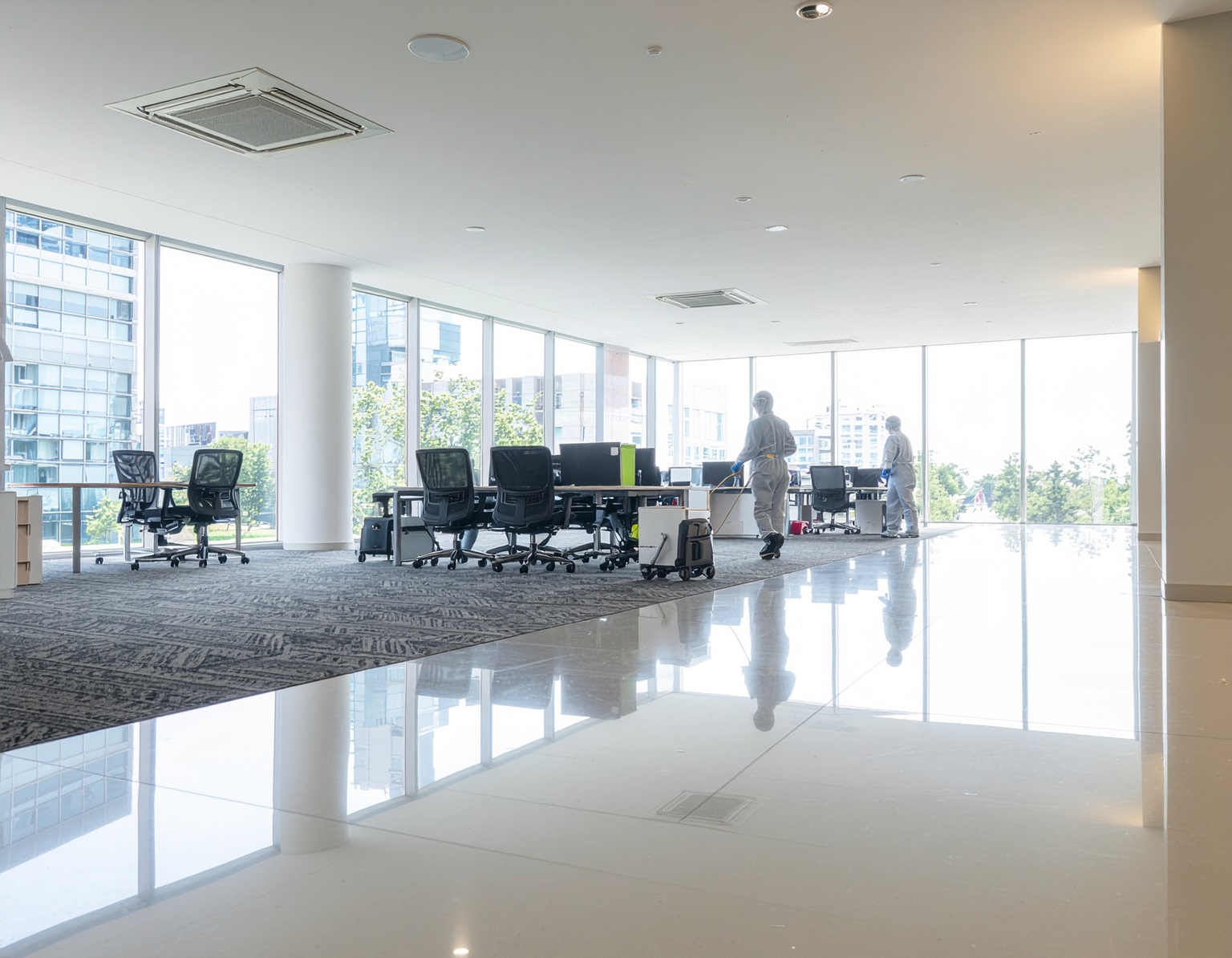
Most businesses think about cleaning as a hygiene issue. It’s not wrong, but it misses the bigger picture. Regular, proper cleaning is one of the most cost-effective forms of asset maintenance available. When you clean correctly, you’re not just removing dirt; you’re actively preventing deterioration, extending equipment life, and protecting the value of your investment.
The commercial spaces organisations manage contain thousands of pounds worth of assets. Flooring, furniture, machinery, fixtures, and equipment all represent significant capital expenditure. Yet many organisations treat cleaning as an afterthought rather than recognising it as essential asset maintenance cleaning that directly impacts their bottom line. Businesses sometimes spend tens of thousands on new flooring when proper maintenance could have extended the original surface’s life by years.
Consider what happens to an untreated vinyl floor in a busy reception area. Dirt particles act like sandpaper under foot traffic, abrading the protective wear layer. Within months, you’ll see visible scratching and dullness. Within a year, the damage becomes irreversible. The same floor, maintained with appropriate cleaning methods and products, can look professional for a decade or more. That’s not an exaggeration; it’s the difference between understanding cleaning as maintenance and treating it as a cosmetic exercise.
How Dirt Actually Damages Assets
Walk into any commercial kitchen and you’ll see stainless steel equipment that costs thousands. Without proper cleaning, acidic food residues and hard water deposits corrode the surface, creating pitting that harbours bacteria and weakens structural integrity. The equipment doesn’t just look poor; it becomes less hygienic and fails sooner.
The mechanism of damage varies by material, but the principle remains constant. Contaminants interact with surfaces in ways that degrade them over time. Dust on electronic equipment creates insulation that causes overheating. Grime on window seals allows moisture penetration that rots frames. Oil and grease on machinery components accelerate wear and tear.
Manufacturing facilities sometimes experience production equipment failing prematurely. Maintenance teams focus on mechanical issues, but the root cause is often inadequate cleaning. Fine particulate matter works its way into moving parts, acting as an abrasive that wears down precision components. Once proper cleaning protocols using appropriate degreasers and methods are implemented, equipment longevity improves dramatically.
Particulate contamination represents one of the most underestimated threats to asset life. Those seemingly harmless dust particles aren’t inert; they’re often composed of minerals, salts, and compounds that react with surfaces. On polished stone floors, acidic dust can etch the surface. On metal fixtures, it attracts moisture that initiates corrosion.
The Economics of Preventive Cleaning
Facility managers sometimes struggle to justify the cost of professional-grade cleaning equipment. Six months later, they’re replacing carpets throughout their offices at costs that would have funded five years of proper maintenance. It’s a pattern seen repeatedly; organisations that view cleaning as an expense rather than an investment inevitably pay more.
The financial case for proper asset maintenance cleaning becomes clear when you calculate replacement costs versus maintenance costs. A quality commercial carpet represents an investment of £30 to 50 per square metre installed. Regular hot water extraction cleaning costs roughly £2 to 4 per square metre annually. If proper cleaning extends carpet life from five years to ten years, you’ve avoided a £30,000 replacement cost on a 1,000 square metre space by spending £20,000 on maintenance over that decade.
The mathematics improve further when you consider the disruption costs of replacement. Installing new flooring means closing areas, moving furniture, and dealing with odours and dust. Maintenance happens during normal operations with minimal disruption.
Hard flooring presents even more dramatic numbers. A polished concrete floor in a warehouse might cost £40 per square metre to install. Proper cleaning and periodic resealing costs perhaps £3 per square metre annually. The concrete itself can last decades, but without maintenance, the sealed surface degrades within 3 to 5 years, requiring expensive remediation. With maintenance, that sealed surface performs for 15 to 20 years before needing significant work.
Different Assets Require Different Approaches
You wouldn’t use the same maintenance schedule for a delivery van and a precision lathe. The same logic applies to cleaning. Each type of asset has specific vulnerabilities and requires tailored cleaning methods to prevent damage whilst removing contaminants effectively.
Textile assets like carpets, upholstery, and curtains deteriorate primarily through soil accumulation and improper cleaning. Dry soil acts as an abrasive, cutting carpet fibres with every footstep. Oily soil attracts more dirt, creating a compounding problem. Carpet cleaning machines use hot water extraction to remove both types of soil without leaving residues that would attract rapid resoiling. Soil removal rates above 90% are achievable with proper technique; levels that simply aren’t possible with surface cleaning methods.
Hard flooring materials each have specific requirements. Vinyl composition tile needs pH neutral cleaning to prevent plasticiser extraction that causes brittleness. Natural stone requires non acidic products to avoid etching. Timber floors demand minimal moisture and appropriate polishes that protect without building up. Using the wrong product doesn’t just clean ineffectively; it actively damages the asset.
Metal assets in commercial environments face constant threats from oxidation, chemical exposure, and abrasive damage. Stainless steel in hospitality settings needs regular cleaning with appropriate pH balanced products to remove food acids and prevent pitting. Aluminium fixtures require non alkaline cleaners to avoid corrosive reactions. Chrome fittings need gentle abrasives that polish without scratching.
Glass and glazing represent another category where proper cleaning directly impacts longevity. It’s not just about clarity; mineral deposits from water and environmental pollutants can etch glass surfaces permanently if allowed to accumulate. Commercial glazing sometimes needs replacement because years of improper cleaning created irreversible damage. The Ettore 5.5m Extension Pole allows proper cleaning of high windows without the surface contact that causes scratching, whilst appropriate squeegee techniques remove water before mineral deposits form.
The Hidden Value in Equipment Maintenance
Most organisations understand that production equipment needs maintenance. Fewer recognise that cleaning equipment itself represents a significant asset requiring proper care. A commercial floor scrubber in Perth costs several thousand pounds. With proper maintenance, including regular cleaning of tanks, filters, and brushes, it’ll provide 10 to 15 years of reliable service. Neglected, it might last three years before requiring replacement.
Equipment designed for cleaning needs cleaning to function properly. Solution tanks develop biofilm and mineral deposits that reduce cleaning effectiveness and create odours. Vacuum motors clog with fine dust that reduces suction and causes overheating. Brushes and pads wear unevenly when debris isn’t removed between uses.
A simple protocol proves effective: rinse tanks after each use, clean filters weekly, and inspect wear items monthly. This takes perhaps 15 minutes per machine per week. The alternative is premature failure of components that cost hundreds to replace, or total equipment failure that costs thousands.
Battery powered equipment like the Medusa Battery Powered Sweeper adds another maintenance dimension. Lithium batteries have specific charging requirements that affect longevity. Partial discharge cycles are better than full depletion. Storage at moderate temperatures extends life. These aren’t complicated requirements, but ignoring them can halve battery life; a costly oversight when replacement batteries cost several hundred pounds.
Chemical Selection and Asset Preservation
Warehouse supervisors sometimes discover incredibly cheap degreasers that “cut through anything.” They do; including the protective coating on epoxy floors, which can show extensive damage after six months of use. Replacement costs can exceed £50,000. The money saved on cheap chemicals might amount to perhaps £200.
Chemical selection represents one of the most critical decisions in asset maintenance cleaning. Every cleaning chemical has a pH level, a concentration, and specific chemical properties that interact with surfaces. Using the wrong product doesn’t just clean poorly; it can cause immediate or cumulative damage that destroys assets.
Alkaline cleaners are excellent for cutting grease and organic soils, but they can damage aluminium, certain plastics, and some floor finishes. Strong alkaline solutions will strip wax from floors, etch aluminium, and dull certain stone surfaces. They’re used strategically where their cleaning power is needed and the surface can tolerate them.
Acidic cleaners excel at removing mineral deposits, rust, and certain organic stains. They’re essential for toilet cleaning and hard water stain removal. But acids attack grout, etch marble and limestone, corrode metals, and damage certain plastics. The Comet Foaming Cleaner & Sanitiser is formulated to provide sanitising action without the aggressive acidity that damages fixtures.
Neutral pH cleaners like the Mr. Bean 5L All Purpose Cleaner offer versatility and safety for regular maintenance. They clean effectively without attacking most surfaces, making them appropriate for daily use on floors, walls, and fixtures. For general daily maintenance, neutral products should form the foundation of your programme, with more aggressive chemicals reserved for specific situations.
Concentration matters as much as chemistry. Facilities sometimes damage assets by using products at higher concentrations than recommended, assuming stronger means better. It doesn’t. Proper dilution provides optimal cleaning whilst minimising chemical exposure to surfaces. Modern cleaning chemicals are designed to work at specific concentrations; exceeding them wastes product and risks damage.
Frequency and Timing in Maintenance Protocols
There’s a misconception that more frequent cleaning always means better maintenance. It doesn’t. Overcleaning can damage assets as surely as neglect. The goal is optimal frequency; enough to prevent soil accumulation and damage, but not so much that the cleaning process itself causes wear.
High traffic areas need daily attention because soil accumulation happens rapidly. Reception areas, corridors, and entrance zones should receive daily vacuuming or dust mopping to remove abrasive particles before foot traffic grinds them into flooring. This isn’t about appearance; it’s about preventing the mechanical damage that shortens floor life.
Moderate traffic areas might need attention 2 to 3 times weekly. Office spaces, meeting rooms, and similar areas don’t accumulate soil as rapidly, and excessive cleaning provides diminishing returns. Twice weekly maintenance keeps these areas in good condition without unnecessary wear from cleaning equipment.
Low traffic areas present different challenges. Infrequent use doesn’t mean cleaning can be ignored; dust still accumulates, and some forms of deterioration happen regardless of traffic levels. Monthly deep cleaning combined with periodic light maintenance usually provides optimal protection.
Periodic deep cleaning serves a different purpose than regular maintenance. Where daily cleaning removes surface soil, periodic deep cleaning addresses accumulated contamination that regular methods don’t fully remove. Carpets need hot water extraction every 6 to 12 months depending on traffic. Hard floors need stripping and resealing annually or biannually. Upholstery requires periodic deep cleaning to remove oils and soils that accumulate despite regular vacuuming.
The timing of deep cleaning matters. Carpet extraction should be scheduled during periods of low humidity when drying happens quickly, reducing the risk of mould or mildew. Floor resealing happens during facility closures when areas can be isolated until the finish cures properly. Poor timing can negate the benefits of otherwise excellent cleaning.
Training and Technique in Asset Protection
Commercial establishments sometimes invest in professional grade equipment and premium cleaning chemicals, then discover their luxury vinyl flooring showing damage patterns after three months. The problem isn’t the products; it’s technique. Staff using a rotary scrubber with excessive pressure and abrasive pads designed for concrete, not vinyl, can grind away the wear layer.
Proper technique matters as much as proper products and equipment. Expensive assets can be damaged by well intentioned staff using incorrect methods. The Polystar Orbital Floor Scrubber is designed to prevent this type of damage through its multi directional action that cleans without the aggressive directional force of rotary machines, but even the best equipment can’t compensate for improper use.
Pressure application represents a common error. More pressure doesn’t mean better cleaning; it means faster wear. Whether using a mop, scrubber, or hand tool, the goal is sufficient contact for cleaning action without excessive force that damages surfaces. Modern cleaning chemistry does the work; mechanical action should support, not dominate, the process.
Dwell time is another frequently misunderstood concept. Cleaning chemicals need time to break down soils. Spraying a cleaner and immediately wiping removes surface dirt but leaves embedded contamination. Proper technique involves applying product, allowing appropriate dwell time for chemical action, then removing both the cleaner and the dissolved soil. This approach cleans more effectively whilst requiring less mechanical action that could damage surfaces.
Tool selection and maintenance affect outcomes significantly. Using worn mop heads or scrubber pads reduces cleaning effectiveness and can damage surfaces. A worn Enduro Microfibre Mop Head loses its ability to trap soil and becomes an abrasive surface. Mop heads should be replaced based on condition, not arbitrary schedules; when fibres show significant wear or the mop no longer releases soil during rinsing, it’s time for replacement.
Documentation and Asset Tracking
You can’t manage what you don’t measure. Detailed records of cleaning activities, product usage, and asset conditions serve multiple purposes: they demonstrate due diligence, help identify problems early, and provide data for optimising maintenance protocols.
A simple asset register should include the type of asset, installation date, manufacturer recommendations for maintenance, actual maintenance performed, and condition assessments. This doesn’t require complex software; a spreadsheet works perfectly well for most facilities. The discipline of recording information matters more than the system used.
Photographic documentation provides powerful evidence of maintenance effectiveness. Assets photographed at installation, then periodically throughout their life, demonstrate the protective effect of proper maintenance and help identify emerging issues before they become serious problems. When a floor that’s ten years old still looks nearly new, photographs from installation provide compelling evidence of proper care.
Product usage tracking helps optimise costs whilst ensuring adequate maintenance. If chemical consumption increases significantly without corresponding changes in the facility, something’s wrong; either technique has degraded, dilution ratios have changed, or there’s wastage. Tracking helps identify these issues before they become expensive problems.
Maintenance schedules should be documented and followed consistently. Detailed schedules that specify what needs to be done, when, and how remove ambiguity and ensure maintenance happens proactively rather than reactively. A facility manager shouldn’t need to remember that carpets need extraction every six months; it should be in the schedule.
The Relationship Between Cleaning and Warranty Compliance
Many asset warranties include maintenance requirements. Fail to meet them, and you’ve voided your warranty; potentially a costly mistake if premature failure occurs. Flooring warranties typically require regular cleaning with appropriate methods and products. Equipment warranties often specify cleaning and maintenance intervals. Furniture warranties may require specific cleaning approaches.
Warranty claims are sometimes denied because the purchaser couldn’t demonstrate appropriate maintenance. A commercial carpet that failed after three years should have been covered under a five year warranty, but the facility had no records of regular cleaning. The manufacturer’s representative found soil accumulation and improper cleaning evidence that voided the warranty. The facility paid for replacement carpeting they shouldn’t have needed to buy.
Documenting maintenance activities protects warranty coverage. Keep receipts for cleaning products, records of when cleaning occurred, and notes on methods used. If a warranty claim arises, this documentation demonstrates compliance with maintenance requirements. It’s also useful for insurance purposes; proper maintenance can affect coverage and claims.
Manufacturer recommendations should guide maintenance protocols. When you purchase assets, obtain and retain the manufacturer’s care instructions. These documents specify appropriate cleaning methods, products to avoid, and maintenance frequencies. Following these recommendations ensures optimal asset life whilst protecting warranty coverage.
Specialised Assets and Unique Requirements
Some assets require specialised knowledge and approaches. Medical equipment, food service machinery, and electronic systems have cleaning requirements that go beyond general maintenance protocols. Understanding these special cases prevents damage whilst ensuring proper hygiene and function.
Food contact surfaces must be cleaned to prevent contamination whilst avoiding damage to the surface or equipment. Stainless steel food preparation tables need regular cleaning with appropriate sanitisers, but harsh chemicals can damage the passive oxide layer that provides corrosion resistance. Products specifically formulated for food service environments clean and sanitise without attacking the metal.
Electronic equipment presents unique challenges. Dust and contamination affect performance and longevity, but moisture and chemicals can cause immediate failure. Cleaning electronic assets requires dry methods or carefully controlled damp cleaning with products that don’t leave conductive residues. Expensive equipment can be destroyed by well intentioned cleaning with inappropriate products.
Outdoor assets face environmental exposure that accelerates deterioration. Building facades, outdoor furniture, and exterior fixtures experience weathering, pollution deposits, and biological growth that indoor assets don’t encounter. These materials require specialised cleaning approaches that remove contamination without damaging weathered surfaces or protective coatings.
Historic or heritage assets demand especially careful maintenance. Age and material degradation make these assets more vulnerable to damage from inappropriate cleaning. Professional consultation often proves essential to develop maintenance protocols that preserve these irreplaceable assets whilst removing harmful contaminants.
Environmental Factors and Asset Degradation
The environment in which assets exist significantly affects how quickly they deteriorate and what maintenance approaches work best. Coastal locations, industrial areas, and climate conditions all influence cleaning maintenance requirements.
Coastal environments introduce salt laden air that accelerates corrosion on metal surfaces and fixtures. Assets in these locations require more frequent cleaning to remove salt deposits before they cause pitting and degradation. Protective coatings need regular inspection and renewal to maintain their effectiveness against aggressive marine environments.
Industrial settings often generate airborne particulates that settle on all surfaces. These particles can be abrasive, chemically active, or both. Regular removal prevents them from embedding in flooring or accumulating on equipment where they accelerate wear and interfere with function.
High humidity environments promote biological growth including mould, mildew, and bacteria. These organisms can stain surfaces, degrade materials, and create hygiene concerns. Cleaning in humid environments must include antimicrobial treatments and moisture control measures to prevent colonisation.
Extreme temperature fluctuations cause expansion and contraction that can damage assets over time. Cleaning protocols should account for these stresses by avoiding additional thermal shock from very hot or cold cleaning solutions and ensuring surfaces have stabilised before applying protective treatments.
Sustainable Asset Management Through Cleaning
Effective cleaning maintenance aligns with sustainability goals by extending asset life and reducing replacement frequency. This reduces resource consumption, manufacturing emissions, and waste generation associated with producing and disposing of assets.
Proper maintenance keeps assets functioning optimally, which often improves their energy efficiency and operational performance. Clean HVAC systems work more efficiently. Well maintained floors require less frequent refinishing, reducing VOC emissions from finishing products.
Chemical selection affects environmental sustainability. Concentrated products reduce packaging waste and transportation emissions. Biodegradable formulations minimise environmental impact when cleaning solutions enter waste streams. Products with appropriate pH levels protect surfaces without requiring harsh chemicals that pose disposal challenges.
Equipment maintenance extends the service life of cleaning tools, reducing the frequency of replacement and the associated environmental costs. Well maintained equipment also operates more efficiently, consuming less energy and producing better results with fewer passes.
Creating a Comprehensive Asset Protection Programme
Successful maintenance programmes require integrated planning that considers all assets, their specific needs, and the resources required to maintain them properly. This comprehensive approach delivers better results than reactive cleaning that addresses problems only after they become visible.
Asset inventory forms the foundation. Document all significant assets including flooring types and areas, major equipment, furniture, fixtures, and any items with specific maintenance requirements. This inventory guides resource allocation and ensures nothing falls through the cracks.
Maintenance protocols for each asset type should specify cleaning frequency, products and equipment to be used, techniques to employ, and warning signs that indicate problems. These protocols provide clear guidance to staff and ensure consistent treatment across the organisation.
Staff training ensures that protocols are followed correctly. Training should cover not just what to do, but why it matters. When staff understand how their work protects assets and reduces costs, they’re more likely to follow protocols carefully.
Supply management ensures appropriate products and equipment are always available. Running out of the correct cleaner shouldn’t mean using whatever’s on hand and risking asset damage. Proper inventory management prevents these situations.
Regular audits verify that protocols are being followed and identify opportunities for improvement. Walk throughs that assess asset condition, observe cleaning activities, and review documentation help maintain programme effectiveness.
Measuring Return on Investment
Proper cleaning maintenance represents an investment that should generate measurable returns. Tracking key metrics demonstrates value and guides programme refinement.
Asset lifespan provides the most direct measure. Compare actual service life against manufacturer estimates or industry norms. Well maintained assets should meet or exceed expected lifespans. Premature failure indicates maintenance problems requiring attention.
Replacement costs avoided represent tangible savings. When an asset lasts ten years instead of five because of proper maintenance, calculate the replacement cost that would have been incurred. This quantifies the financial benefit of the maintenance programme.
Maintenance costs per asset or per square metre provide operational benchmarks. Track these over time to identify trends. Rising costs may indicate problems with efficiency or technique that need addressing.
Asset appearance and function affect organisational operations. Professional looking spaces support business objectives. Equipment that functions reliably enables productivity. While harder to quantify, these benefits add real value that justifies maintenance investment.
Warranty compliance and insurance considerations provide additional value. Documented maintenance protects warranty coverage and can favourably affect insurance premiums. These benefits, whilst indirect, contribute to overall return on investment.
The most successful organisations view cleaning maintenance as strategic investment rather than operational expense. They recognise that proper cleaning protects capital investments, reduces long term costs, and supports operational effectiveness. This perspective transforms cleaning from an afterthought into a core component of asset management strategy.
If you’re ready to implement comprehensive cleaning programmes that protect your investments and maximise equipment longevity, contact us at Weskleen Supplies for guidance on products, equipment, and protocols suited to your specific assets and operational requirements.