


Blog
Preventing Chemical Accidents: Safe Storage Solutions for Perth Cleaning Hubs

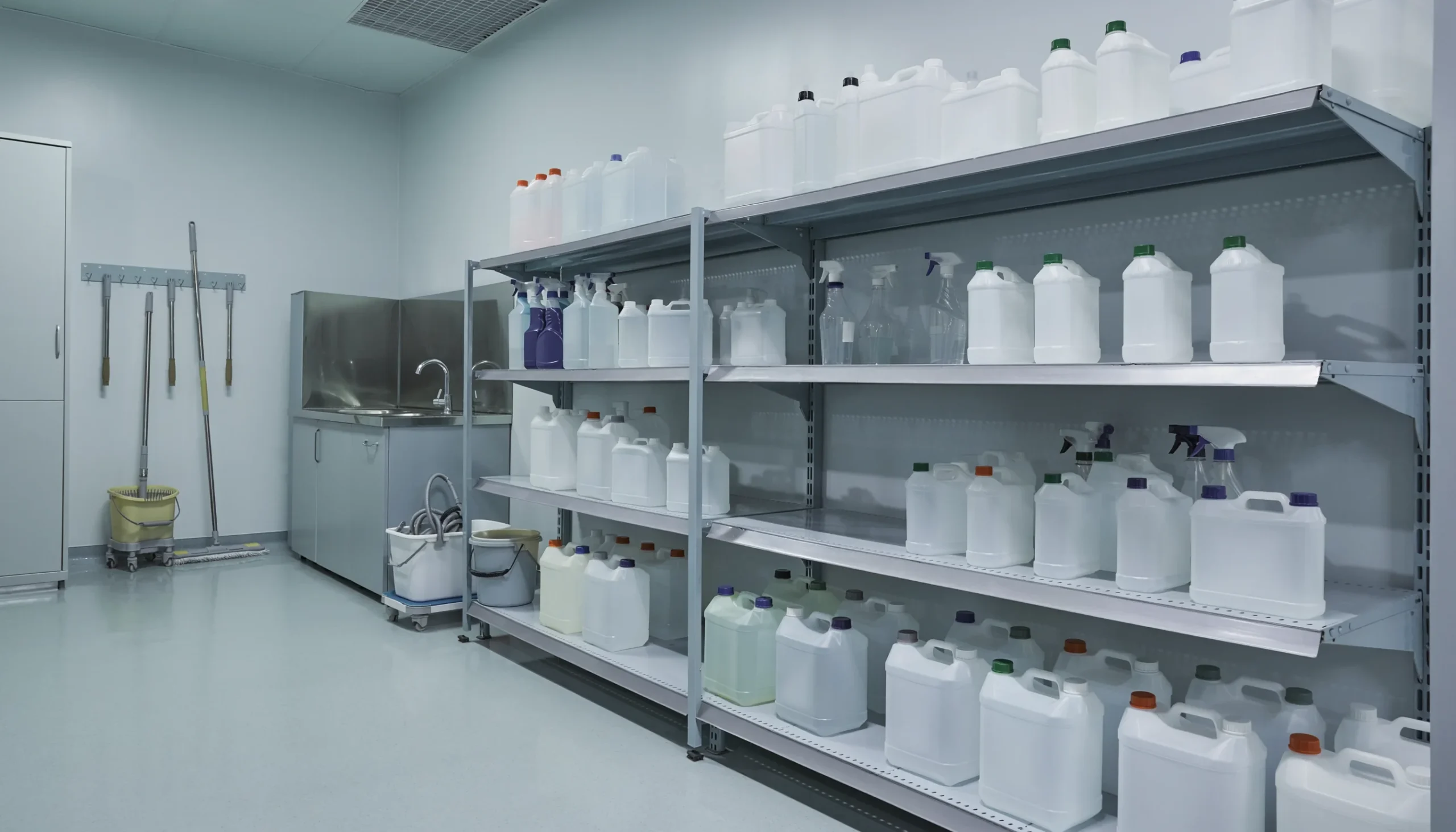
Cleaning hubs can become messy quickly when deliveries, shift changes, and half-used bottles share the same shelf. Small storage mistakes can create real site risk.
Chemical storage safety starts with layout, labelling, access, and routine checking. Cleaning hub safety improves when staff can find the right product without improvising.
Why Storage Fails On Busy Sites
Most chemical accidents begin with ordinary pressure. A cleaner is rushed, a bottle leaks, or a new product is placed beside the wrong container.
The storage system should make safe behaviour easier than shortcuts. That means clear shelves, clear labels, and fewer mystery bottles.
Crowding Creates Confusion
Overcrowded shelves hide damaged caps and old products. They also make it harder to separate items that should not sit together.
Strong chemical storage safety is easier when every product has a known position. If the product has no position, it should not enter the hub.
Shift Handover Matters
A site may use different cleaners across morning, day, and night shifts. The storage area needs to make sense to each person.
Cleaning hub safety should not depend on one experienced staff member. The layout should explain itself to a trained worker.
Set Up The Chemical Area
The storage point should be practical, dry, and controlled. It should not sit in a public walkway or cramped cupboard.
We stock cleaning products and equipment that Perth teams can match to actual storage capacity.
Use Zones Instead Of Piles
Group products by purpose and compatibility. The Comet Foaming Cleaner and Sanitiser should sit with hygiene products, not stain removers.
A simple shelf map supports chemical storage safety. It helps staff return each product to the right place after a shift.
Keep Carry Kits Separate
Carry kits should contain active shift products only. Backup stock belongs in a separate area.
A cleaning hand caddy can help staff move selected products without carrying loose bottles. The caddy should return clean and complete.
Check Floor-Level Risks
Containers should not sit where they can be kicked, crushed, or soaked. The Goof Off Adhesive Remover should stay upright and away from heat.
If heavy containers must sit low, use a stable area with spill control. Mr Bean 5L bulk should stay sealed until it is issued.
Control High-Risk Products
Some cleaning products need more attention because they are used for specific messes or high-hygiene areas. They should not float around the hub.
Adhesive And Solvent Products
Sticky residue products can be useful, but they need clear handling. Staff should not treat them like general cleaners.
The Goof Off Adhesive Remover should be stored and used according to its label. It belongs in a controlled detail-cleaning area.
Sanitising Products
Sanitising products need clean process control. Staff should understand contact time, surface preparation, and where the product is suitable.
Cleaning hub safety improves when sanitising products are separated from general clutter. This helps prevent casual misuse during busy shifts.
Mop And Floor Products
Floor work often involves buckets, mop heads, and wet areas. That creates a different storage challenge.
A 16L mop bucket should be stored clean and dry. Do not leave chemical residue sitting in the bucket between shifts.
Build A Daily Storage Routine
A good storage area needs small habits. A weekly clean is not enough if the hub is used every day.
Start Of Shift Check
Staff should check labels, leaks, and the product list before the shift starts. This can take less than two minutes.
If something is missing, damaged, or unknown, stop and ask. Chemical storage safety depends on catching problems before use.
End Of Shift Reset
The end of a shift is when shortcuts often appear. Bottles are returned half-closed, and caddies are left in the wrong place.
A reset should include caps, labels, shelf position, and any empty containers. This keeps the next cleaner from inheriting a mess.
Weekly Supervisor Review
A supervisor should inspect the hub and compare it with the product register. Keep the product notes from WesKleen Supplies beside that register.
Look for duplicate products, fading labels, old stock, and containers that do not belong. Dust control fringe mops can sit with dry tools, not wet chemistry.
Training For Chemical Storage
Training should explain the reason behind the rule. Staff follow systems better when they understand the risk.
Use Real Site Examples
Show what a leaking bottle looks like. An Enduro Microfibre Mop Head should hang dry, not in the chemical tray.
This makes cleaning hub safety concrete. Squeegees and mops belong on a dry rack after the floor run.
Teach The Stop Rule
If a product is unlabelled, leaking, or unfamiliar, staff should stop and ask. Amenities chemicals stay with an extra-long toilet brush, not the general shelf.
The stop rule is not about blame. It protects staff, clients, surfaces, and the cleaning company.
Keep The Register Nearby
The chemical register should be close enough to use. If it sits in a distant office, staff may ignore it.
A register beside the hub helps product checks become normal. Floor-machine chemistry stays with the floor scrubber range in Perth.
Improving An Existing Hub
Many sites already have a chemical area that partly works. The task is to improve it without disrupting daily cleaning.
Remove First
Start by removing empty containers, expired stock, and unknown bottles. A Polystar Orbital Floor Scrubber does not belong in the chemical cupboard.
Do not keep a product because someone might need it someday. If nobody can identify it, it should not be used.
Label The Shelf
Shelf labels help staff return products to the same place. They also make missing items visible.
This is a simple cleaning hub safety upgrade. It costs little and reduces shift-to-shift confusion.
Ask Before Adding New Products
Every new product changes the storage system. The buyer should confirm where it will sit, who will use it, and which document supports it.
Perth teams can use the contact section to ask product-fit questions before changing a storage plan.
Designing The Hub For Real People
A chemical area should work for the people who use it every day. A neat plan on paper can still fail in a cramped storeroom.
Check Reach And Visibility
Staff should be able to see labels without moving several containers. Heavy items should not sit above shoulder height.
Good visibility reduces handling. It also helps supervisors spot leaks, damaged caps, and products in the wrong place.
Plan For Wet Hands
Cleaners often return to the hub with damp gloves or cloths. Shelves, labels, and containers need to tolerate normal wet handling.
Keep paper records protected from splashes. If a folder becomes damaged, staff may stop using it.
Keep Public Access Controlled
The hub should not be open to customers, pupils, visitors, or untrained staff. Access control is part of the storage design.
A locked cupboard may be enough for a small site. A larger site may need a dedicated room and clearer sign-in habits.
What To Do After A Near Miss
A near miss is useful if the site learns from it. Treat it as a signal that the system needs attention.
Write Down What Happened
Record the product, location, shift, and immediate cause. Keep the note factual.
The point is not to blame the cleaner. The point is to see where the layout or process allowed the problem.
Fix The Small Cause
A missing shelf label, loose cap, or crowded caddy can be fixed quickly. Do not wait for a formal review if the cause is obvious.
Small repairs build trust in the system. Staff see that reporting issues leads to practical action.
Share The Lesson
Use the next toolbox talk to explain the change. Keep the message short and specific.
When staff understand the reason, they are more likely to follow the revised routine during busy shifts.
Plan For Deliveries
Deliveries can disrupt a tidy store if nobody checks them in. Assign one person to place new stock in the right area.
The check should include carton condition, product name, and shelf position. New stock should not block exits, sinks, or spill response gear.
Keep A Waste Area Separate
Empty containers, damaged bottles, and rejected products need a temporary holding point. They should not sit beside active stock.
A separate area keeps the active hub cleaner. It also reminds staff that damaged products need a decision before disposal.
FAQ
What Causes Most Cleaning Chemical Storage Problems?
Common causes include unlabelled bottles, crowded shelves, leaking caps, poor separation, and unclear staff responsibility.
Should Backup Stock Sit With Active Bottles?
Usually not. Active bottles should stay in the working area, while sealed backup stock should be stored separately and checked regularly.
How Often Should A Cleaning Hub Be Audited?
Busy hubs benefit from daily checks and a weekly supervisor review. Low-use areas may still need a scheduled monthly check.
Can A Hand Caddy Replace Chemical Storage?
No. A caddy helps with shift movement, but chemicals still need a controlled storage area when not in use.
Conclusion
Safe storage comes from simple routines that make product identity, access, and separation obvious. Keep active bottles on the working shelf and backup stock apart. Contact us if you need that shortlist checked against current stock.