


Blog
Comet 5L and Mr Bean 5L Bundles with Clear Labels for WA Sites

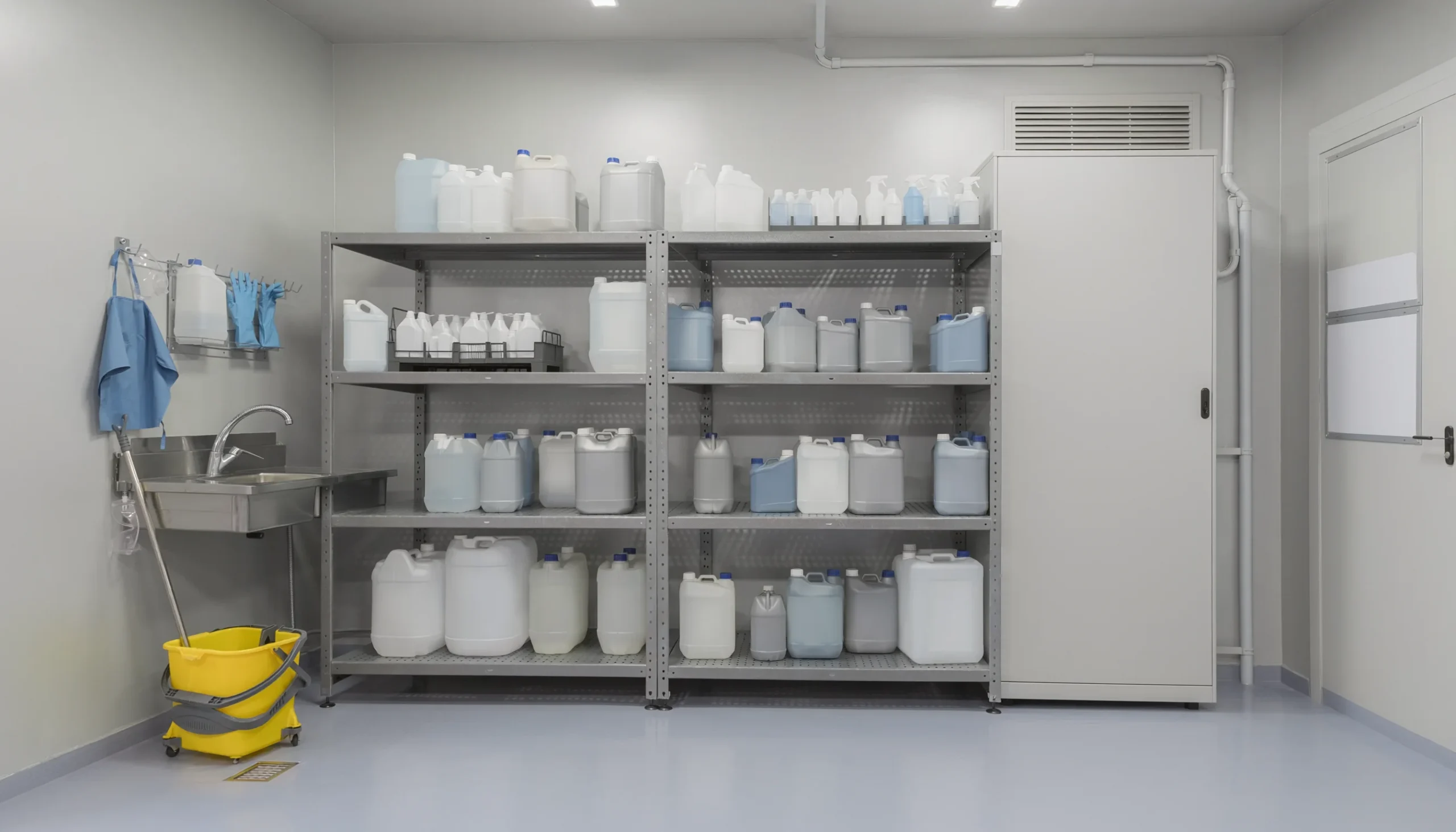
Chemical bundles can make ordering easier for WA sites, but the bundle still needs practical control. Staff must know what each bottle is for.
A chemical bundle deal should simplify work, not create a mixed shelf nobody understands. Labelled cleaning bottles are the link between ordering and safe daily use.
Why Bundles Need A System
Bundling cleaning chemicals can reduce missed orders and keep common products available. It can also tempt sites to issue products without enough explanation.
The better approach is simple. Choose the products, label the containers, and train staff on the surfaces each product supports.
Useful For Recurring Sites
Schools, commercial offices, clinics, and shared amenities often repeat the same jobs each week. A fixed bundle helps supervisors keep supplies consistent.
A chemical bundle deal works when the products match the cleaning schedule. It fails when the bundle is chosen only because it looks convenient.
Labels Stop Guesswork
Labelled bottles help a new staff member identify the product quickly. They also reduce the chance of using the wrong cleaner on the wrong surface.
Labels should be readable after normal handling. Smudged or peeling labels need replacement before the bottle returns to use.
Selecting The Bundle Products
A practical bundle starts with jobs, not product names. List the surfaces, soil types, and hygiene tasks before choosing the bottles.
We stock cleaning products that WA buyers can compare by job, not by bundle convenience.
Separate Routine Cleaning From Sanitising
Routine cleaning and sanitising are related, but they are not the same task. Staff should understand when soil removal comes before sanitising.
The Comet Foaming Cleaner and Sanitiser gives buyers a clearly named product for high-hygiene planning. The label still controls how it is used.
Keep General Cleaning Clear
Mr Bean 5L is a general cleaner and disinfectant for floors, benches and high-touch points. It is not a substitute for every hygiene product in the kit.
Keep the two products on separate jobs. A bundle is only useful when staff can name what each bottle does.
Add Carry And Setup Items
The chemical is only one part of the kit. Staff also need a way to carry bottles without leaving them loose in corridors.
A cleaning hand caddy helps bundle products stay together. It also makes missing labelled cleaning bottles easier to notice.
Building A Site Bundle
A bundle should be small enough to train properly. Too many products make the kit harder to use and harder to audit.
Choose Core Jobs
Start with the repeat jobs. Benches, amenities, touch points, doors, and staff rooms often form the core list.
Each job should have one named product and one short method. This keeps the chemical bundle deal understandable for casual staff.
Match Bottles To The Shift
If a product is decanted, the bottle should be appropriate for the liquid and task. Staff should not reuse random bottles from old kits.
Labelled cleaning bottles should show the product name, basic caution, and intended use. Sites should follow their internal safety process.
Keep Water And Buckets Separate
Not every task belongs in a spray bottle. Some jobs need a bucket, cloth, or mop process.
A 16L mop bucket can sit beside the bottle kit for floor tasks. That stops staff trying to force every cleaner into one method.
Label Checks For WA Supervisors
Labels should be checked before the bundle is issued. A quick inspection can prevent a shift problem later.
Readability First
The product name should be readable at arm’s length. Staff should not need to sniff a bottle or open it to identify the contents.
A chemical bundle deal loses value if labels are unclear. Keep the kit notes from WesKleen Supplies with the labelled bottles.
Use Dates Where Helpful
Some sites add fill dates or review dates to bottles. Floor-machine chemicals should stay with the floor scrubber range in Perth.
Dates should not replace product identification. They are a support tool for labelled bottles, not the main label.
Replace Damaged Containers
A cracked trigger, leaking cap, or stained label should be treated as a control issue. A Polystar Orbital Floor Scrubber still needs the same labelled chemistry rules.
A small replacement habit keeps the kit professional. Amenities runs can carry an extra-long toilet brush so washroom chemicals stay in that kit.
Training Staff On The Bundle
Training should be practical and short. Staff need to know which product goes where, how much to use, and what not to mix.
Walk Through The Kit
A supervisor should open the caddy and name each product. Then the supervisor should explain which surfaces it supports.
This is more useful than handing over a printed list alone. People remember better when the product is in front of them.
Show The No-Mix Rule
Chemical mixing is a major avoidable risk. Squeegees and mops finish floors after the labelled product has done its job.
The rule should be simple. Dust control fringe mops can handle dry soil so the chemicals stay on the jobs they are meant for.
Make Questions Normal
New staff may hesitate when a bottle looks similar to another. An Enduro Microfibre Mop Head should sit with floor work, not the spray pair.
A clear product question is better than guessing. Check the live listing and the label before the kit changes.
Ordering And Restocking
Bundled ordering only works if the site tracks what gets used. Otherwise, one product runs out while another piles up.
Count Before Reordering
Check the shelf and caddy before placing the next order. Compare actual use against the site schedule.
This prevents the chemical bundle deal from becoming automatic waste. It also keeps storage within a sensible limit.
Keep Spare Labels Ready
Labels should be part of the restock process. A product delivery without labels can delay safe issue to the cleaning team.
Store spare labels in a dry place near the chemical register. That keeps labelled cleaning bottles from becoming an afterthought.
Review The Bundle Each Term
WA sites change with season, staffing, and traffic. A bundle that worked during one period may need adjustment later.
Review product use, waste, complaints, and staff questions. Those notes show whether the bundle still fits the site.
Setting Up The First Week
The first week decides whether a bundle becomes a useful system or another shelf of products. Supervisors should treat rollout as a short project.
Prepare The Shelf First
Clear the storage area before the bundle arrives. Remove old bottles, wipe shelves, and mark where each product will sit.
This prevents new stock being stacked on top of old clutter. It also helps staff see the bundle as a controlled kit.
Issue One Kit At A Time
Do not hand out several kits without checking the first one. Use one shift to test whether the caddy, bottles, and instructions make sense.
Ask staff which parts felt awkward. A small adjustment early can prevent repeated mistakes later.
Record Common Questions
Supervisors should note the questions staff ask during the first few shifts. Those questions reveal what the instructions missed.
Turn repeated questions into a short crib sheet. Keep it near the storage point so the bundle stays easy to use.
Keeping Bundles Commercially Sensible
A bundle should save time without creating excess stock. It should also reflect the site’s real cleaning volume.
Track Fast-Moving Items
Some products disappear quickly because the site uses them daily. Others may last for months.
A simple tick sheet can show which products need reorder attention. This stops the bundle from being replenished blindly.
Avoid Duplicate Products
If two products do the same job, staff may choose based on habit rather than suitability. That can weaken training.
Review the bundle after a few weeks. Remove items that overlap or sit unused.
Keep Supplier Questions Specific
When asking for advice, describe the surface, soil, shift pattern, and storage limits. Specific questions get better answers.
This turns ordering into a practical review. It also helps the site keep the bundle aligned with actual work.
Confirm The Final Kit List
Before the bundle is locked in, write the final kit list on one page. Include product names, bottle count, caddy count, and storage point.
This small record helps the next supervisor keep the kit consistent. It also gives the buyer a cleaner reorder reference.
FAQ
Should A Bundle Include Every Cleaner On Site?
No. A bundle should cover repeat tasks clearly. Specialist products can stay separate with their own controls and training.
Can Mr Bean 5L Be Linked In This Draft?
Not in this local pass. The current approved URL set does not include a live-verified Mr Bean product page for linking.
How Many Products Should A Site Bundle Hold?
Start with the smallest useful set. Add products only when the site has a clear job, label, and storage plan for each one.
Are Labelled Cleaning Bottles Enough For Safety?
No. Labels help identification, but staff also need training, safe storage, and access to product information.
Conclusion
A useful bundle keeps daily cleaning simple while preserving product identification and safe handling. Name each bottle, keep the labels readable, and train the two jobs separately. Contact us if you need that shortlist checked against current stock.