


Blog
Where to Buy Cleaning Chemicals with Safety Data Sheets in Perth

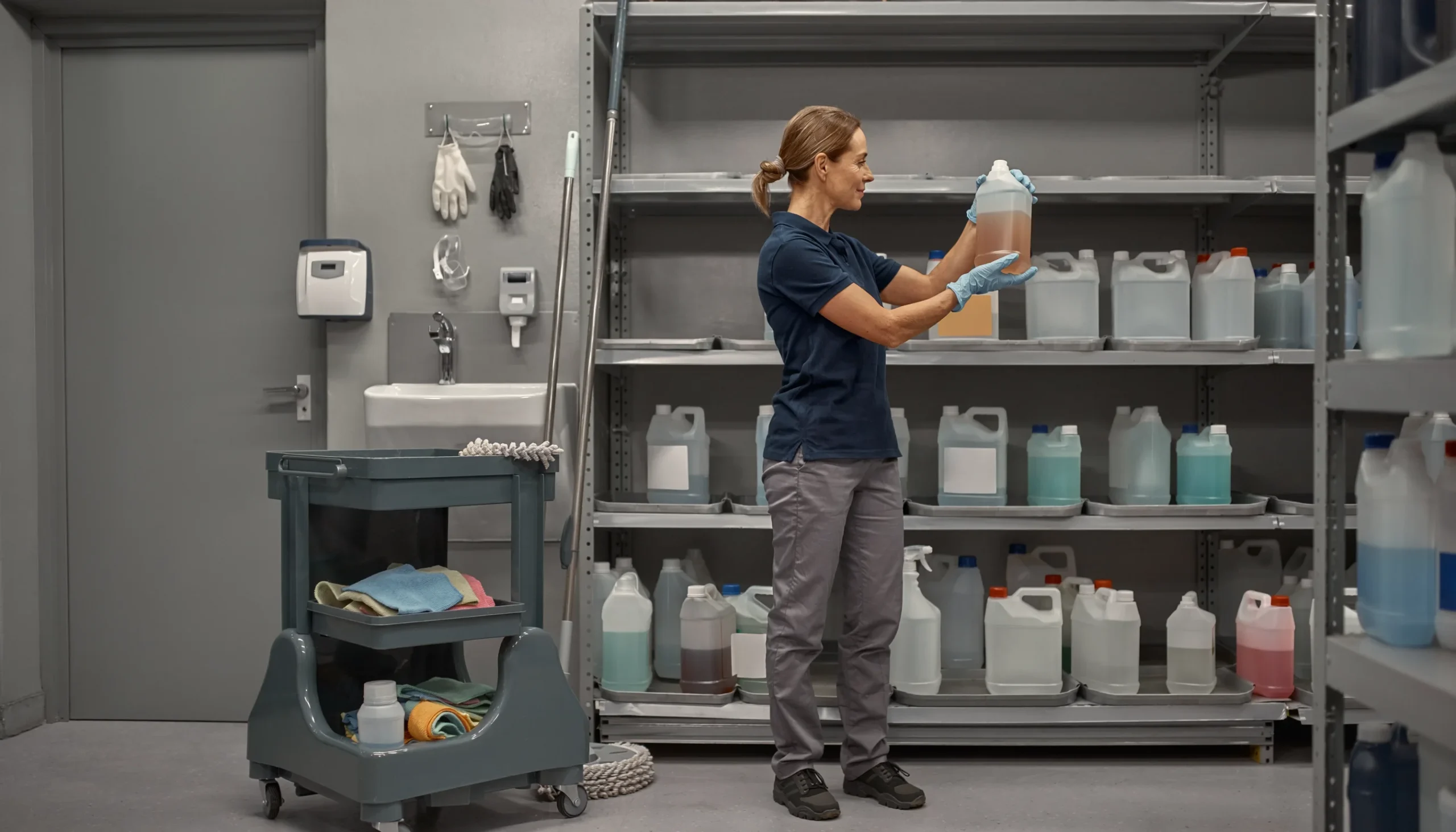
Buying cleaning chemicals for a Perth workplace is not only a price decision. The product also needs clear labelling, accessible documentation, and sensible storage controls.
Cleaning chemicals with safety data sheets help cleaners, supervisors, and buyers understand handling rules before a bottle reaches the site. Safety data sheet wa checks also reduce confusion during induction.
Start With The Site Risk
Different sites need different chemical controls. A small office cleaner may carry only a few products, while a school, kitchen, or commercial hub may hold many.
The first step is to list where chemicals are used, who handles them, and how quickly product information can be found. That list guides the buying decision.
Match The Product To The Surface
A disinfectant, adhesive remover, and general cleaner are not interchangeable. Each product has its own purpose, dilution guidance, and precautions.
When a buyer chooses cleaning chemicals with safety data sheets, the product role should be clear before the order is placed. This avoids guessing during busy shifts.
Keep Documents Easy To Find
Safety data sheet wa documents should be available to the people using the product. A printed folder, digital register, or both can work.
The important point is access. A staff member should not have to search through old emails during a spill or induction.
What To Check Before Buying
The chemical label and the safety data sheet should support each other. The label gives fast handling cues, while the sheet gives fuller detail.
We stock cleaning products that Perth buyers can match to actual site use. Compare product roles before the bottles leave the shelf.
Product Name And Supplier Details
Check that the product name, supplier details, and use category are clear. This matters when staff manage several similar bottles.
A register becomes messy when short names are invented on site. Use the product name that appears on the container and document.
Hazard And Handling Information
A useful label points staff toward safe handling. It should not rely on memory or verbal instructions.
Cleaning chemicals with safety data sheets should come with information that explains storage, first aid, exposure controls, and disposal guidance. Staff still need training.
Practical Pack Size
Large containers can reduce order frequency. They can also increase handling risk if decanting is poorly controlled.
Perth cleaning hubs should choose pack sizes that suit storage shelves, spill trays, and staff strength. Bigger is not always easier.
Choosing Chemicals For Common Work Areas
Workplaces usually need a small set of well-managed products rather than a crowded shelf. Every extra bottle adds training, storage, and label work.
High-Hygiene Areas
Food preparation spaces, amenities, and shared touch points need products selected with care. Staff should follow the product label and site procedure.
The Comet Foaming Cleaner and Sanitiser is relevant when buyers need a clearly identified cleaning and sanitising product. Suitability still depends on the surface and procedure.
Sticky Residue And Detail Work
Glue, tape residue, and sticker marks can tempt staff to improvise. That is when unsuitable products often appear.
The Goof Off Adhesive Remover gives buyers a named product for sticky messes. Staff should still follow label directions.
Mobile Cleaning Kits
Chemicals are easier to manage when the kit is organised. A loose group of bottles in a bucket can hide damaged labels.
A cleaning hand caddy helps keep selected products together for a shift. It also makes missing labels easier to spot.
Building A Perth Chemical Register
A register does not need to be complicated. It does need to be current, readable, and linked to the products actually held on site.
Record The Active Products
Start with the products on the shelf, not a historic order list. Remove empty containers and record what remains.
For each item, note the product name, supplier, storage location, and the current safety data sheet reference. This keeps the register practical.
Separate Open And Backup Stock
Open bottles and sealed backup stock can sit in different locations. The register should show that difference.
This helps supervisors find chemicals quickly during cleaning work. It also helps buyers avoid over-ordering the same product.
Assign Review Dates
Cleaning chemicals with safety data sheets are easier to manage when review dates are visible. A quarterly check can catch missing sheets and damaged labels.
The review should include storage condition, cap condition, label readability, and whether the product still suits the site. Keep the product notes from WesKleen Supplies with that register.
Storage Checks That Prevent Problems
Good storage turns chemical management into a habit. Poor storage turns small mistakes into avoidable incidents.
Group By Compatibility
Do not place every chemical together just because the containers fit. Some products need separation based on label guidance.
Cleaning supervisors should use the safety data sheet information when setting shelves. If unsure, keep products apart until advice is checked.
Control Decanting
Decanting should be limited to trained staff and approved containers. Unlabelled spray bottles create risk fast.
If a workplace decants from larger containers, every secondary container needs a clear label. An Enduro Microfibre Mop Head should stay with floor chemicals, not mixed into the spray kit.
Keep Spill Response Simple
Staff need to know what to do if a container leaks. Dust control fringe mops can lift dry spill absorbent after the liquid is contained.
A basic spill plan works better than a complex folder nobody reads. The plan should match the products stored on site.
Buying Locally In Perth
A local supplier can help when a buyer needs product context, not just a checkout cart. That matters for teams building a chemical shelf from scratch.
Bring The Current List
Before visiting a store, bring the current product list and the surfaces being cleaned. Squeegees and mops belong on the same list if floors are part of the run.
That information helps the counter conversation stay useful. It also prevents a buyer choosing too many overlapping products.
Ask About Product Alternatives
If a product is unavailable, do not replace it blindly. Mr Bean 5L is a general cleaner and disinfectant, not a substitute for every hygiene product.
This is where a practical supplier conversation is valuable. The replacement should fit the job, not just the price point.
Keep The Register Updated After Purchase
The buying process is not finished when the order arrives. A 16L Mop Bucket should be stored away from concentrated chemicals.
That one step keeps cleaning chemicals with safety data sheets tied to real site control. It also helps supervisors train new staff with confidence.
Practical Buying Notes For Small Perth Teams
Small teams often need a buying process that works without a dedicated safety officer. The process can still be tidy.
Use A Short Product Card
Create a one-page card for each active chemical. Amenities kits can include an extra-long toilet brush so that product stays with the washroom run.
This card does not replace formal records. It helps cleaners and supervisors find basic information during a normal shift.
Check Delivery Against The Register
When an order arrives, compare the delivered product against the active register. Floor-machine chemicals should stay with the floor scrubber range in Perth, not the spray shelf.
The buyer should confirm the name, size, and intended use. If a substitute is accepted, staff need to know what changed.
Keep Product Families Small
A site does not need several products doing almost the same job. Too many options create weak training and cluttered storage.
Choose fewer products and train them properly. A Polystar Orbital Floor Scrubber does not change the chemical-register rules.
Questions To Ask At The Counter
A store conversation is more useful when the buyer brings real site details. The team can then focus on fit, not guessing.
Describe The Soil
Grease, adhesive, food residue, bathroom soil, and general dust need different thinking. A product should be chosen for the actual mess.
Bring a photo if the issue is hard to explain. Visual context can stop a buyer choosing a product that is too harsh or too weak.
Explain Who Uses The Product
A trained contractor and a casual site cleaner may need different instructions. The product may be suitable, but the process may need support.
If staff turnover is high, simpler labelling and a tighter product range may be safer. The buying decision should reflect that reality.
Confirm Storage Before Ordering
Before increasing pack size, check shelf strength, spill control, ventilation, and access. A cheaper bulk order is not useful if storage is poor.
The final purchase should fit the site after delivery. That is what makes the cleaning routine easier to manage.
FAQ
Do Workplaces Need Safety Data Sheets For Cleaning Chemicals?
Workplaces should manage chemical information in line with their obligations and risk profile. Buyers should keep product information accessible for staff handling chemicals.
Is A Product Label The Same As A Safety Data Sheet?
No. The label gives quick identification and hazard information, while the safety data sheet gives more detailed handling and emergency information.
Should Perth Sites Keep Printed Or Digital Records?
Either can work if staff can access the information quickly. Many sites keep a printed folder near storage plus a digital backup.
Can Cleaners Decant Chemicals Into Plain Bottles?
Plain bottles create risk because the product becomes hard to identify. Decanted products should use clear secondary labels and approved containers.
Conclusion
Safe chemical buying works well when product choice, labels, storage, and staff training all line up. Keep the register current before the next order goes in. Contact us if you need that shortlist checked against current stock.