


Blog
Complete Washroom Hygiene Guide for Perth Businesses

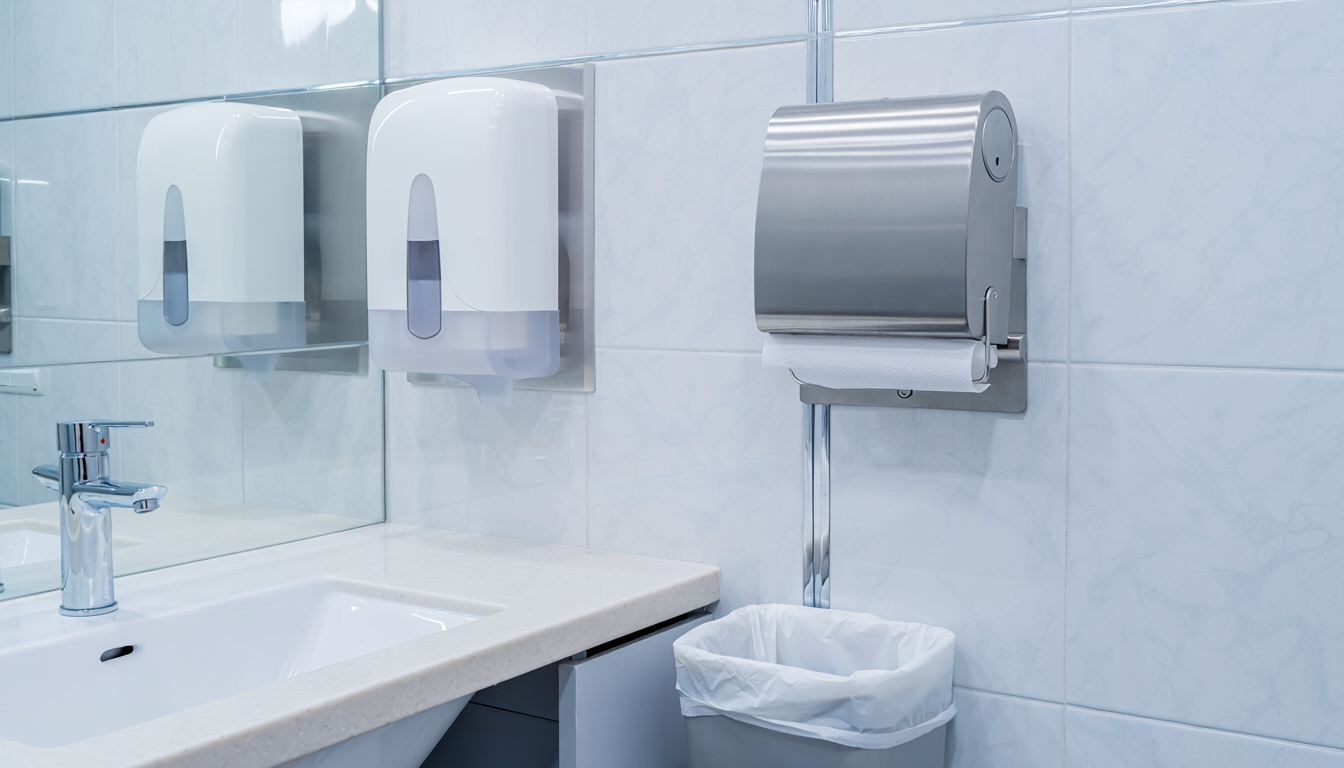
Maintaining clean, compliant washrooms isn’t just about appearances. For Perth businesses, washroom hygiene sits at the intersection of legal obligation, staff wellbeing, and customer experience. Whether you’re running a busy cafe, a medical practice, or a large commercial office, getting these standards right protects your reputation, your team, and your bottom line.
So what does a genuinely hygienic washroom look like in practice, and how do businesses ensure they’re meeting the requirements expected of them?
This guide covers everything Perth business owners and facility managers need to know, from regulatory obligations and cleaning schedules to product selection and documentation.
Why Washroom Hygiene Matters for Perth Businesses
The stakes around clean washroom facilities are higher than many business owners realise. A poorly maintained washroom doesn’t just annoy customers. It creates genuine health risks, potential regulatory breaches, and lasting reputational damage that’s difficult to undo.
Think of washroom hygiene like the foundations of a building. Nobody admires the foundations from street level, but when they’re compromised, everything above ground suffers. A business can have outstanding food, great service, and a beautiful fit-out, yet one visit to a dirty washroom can override all of that goodwill in a customer’s mind.
Research consistently shows that washroom cleanliness ranks among the top factors influencing customer perception. In hospitality and food service, the link is even more direct. Customers who encounter a dirty washroom often assume that unseen areas, such as kitchens and food preparation zones, are similarly neglected.
For staff, the implications are just as significant. Consistently poor washroom conditions affect morale, contribute to hygiene-related illness, and raise questions around an employer’s duty of care under Western Australian workplace legislation.
Understanding Washroom Regulations in Western Australia
Perth businesses operate under overlapping regulations that govern sanitation standards. Understanding which apply to your premises is the essential starting point.
The Food Standards Code and Food Businesses
Food businesses in Perth, including restaurants, cafes, and food retail premises, must comply with the Australia New Zealand Food Standards Code. Under this framework, food industry hygiene standards require that toilet facilities be kept clean, in good repair, and separated from food handling areas, with soap and drying materials available at all times.
Food industry hygiene standards also address cross-contamination risks. Washrooms accessible from food preparation areas must meet additional requirements around ventilation and signage. Non-compliance can result in improvement notices, fines, or in serious cases, temporary closure.
WorkSafe WA Obligations
Under the Work Health and Safety Act 2020 (WA), employers must provide facilities that are safe and without risks to health. The relevant Code of Practice specifies minimum toilet numbers based on workforce size, along with cleanliness, lighting, ventilation, and handwashing supply requirements. Documented cleaning schedules signed off by responsible staff are strongly recommended as evidence of compliance.
High-Risk Premises
Medical practices, childcare centres, and aged care facilities face additional sanitation obligations under state and federal health legislation. These settings require more frequent cleaning intervals, hospital-grade disinfectants, and thorough documentation.
Chemical sanitiser validation is a requirement in many of these settings. This means not simply using a sanitising product, but verifying through documented processes that the product achieves the required log reduction in microbial load. Chemical sanitiser validation involves confirming product efficacy through supplier documentation, following dilution instructions precisely, and maintaining consistent application records.
Building an Effective Cleaning Schedule
Effective facility sanitation isn’t a single event. It’s a sustained process requiring clear scheduling, appropriate products, trained staff, and consistent documentation.
Cleaning Frequencies by Traffic Level
Cleaning frequency should match foot traffic. High-traffic washrooms in restaurants, retail, and venues should be inspected and spot-cleaned every one to two hours during operating hours, with thorough cleans at opening and closing. Mid-traffic washrooms in offices and medical waiting areas generally need a full clean at least twice daily. Low-traffic washrooms should still be cleaned daily, even if usage is minimal.
Daily Tasks
A comprehensive daily routine should cover all contact surfaces without exception: toilet bowls, seats, and cisterns; urinals and screens; handbasins, taps, and soap dispensers; mirrors and splash areas; door handles, locks, and light switches; floor areas including grout lines; and waste bins and dispensers.
Contact surfaces, those touched by hands, require particular attention because they bridge the gap between environmental contamination and direct human exposure.
Weekly Deep Cleaning
Weekly deep cleans address areas that accumulate grime over time: descaling toilet bowls and urinals, cleaning ventilation grilles and exhaust fans, detailed cleaning behind and beneath fixtures, inspection of grout and sealant, and checking drainage systems for blockages. This is also the right time to assess whether daily cleaning is achieving acceptable results.
Choosing the Right Products
Product selection is where many businesses make costly mistakes. Using the wrong product for the wrong surface, or skipping correct dilution and contact time requirements, undermines even the most diligent routine.
Sanitisers Versus Disinfectants
One of the most persistent sources of confusion in commercial cleaning is the distinction between cleaning, sanitising, and disinfecting. These are genuinely different processes.
Cleaning removes visible soil and reduces microbial load but doesn’t necessarily kill pathogens. Sanitising reduces microbial populations to levels considered safe under public health standards. Disinfecting uses higher-concentration formulations to destroy a broader spectrum of pathogens including bacteria, viruses, and fungi.
In a standard commercial washroom, sanitising is typically the baseline requirement. For high-risk settings, hospital-grade disinfection is appropriate. Chemical sanitiser validation matters in both contexts. It’s not enough to apply a product. You must verify it’s being applied at the correct concentration, for the correct contact time, to achieve the required microbial reduction.
Weskleen Supplies stocks a range of commercial-grade washroom sanitation products suited to Perth’s regulatory requirements, from everyday sanitisers to heavy-duty descalers and disinfectants.
Foaming Cleaners
Foaming formulations offer practical advantages in washroom environments. Foam clings to vertical surfaces, maintaining contact time far more effectively than liquid sprays that run off immediately. For high-hygiene environments where cleaning and sanitising need to occur in a single step, the Comet Foaming Cleaner & Sanitiser delivers powerful deodorising and sanitising action on contact surfaces.
Toilet Cleaning Equipment
The effectiveness of any product depends equally on the equipment used to apply it. A quality toilet brush reaches the full bowl interior, including beneath the rim where biofilm accumulates. The Oates Ergo Extra-Long Toilet Brush is designed for commercial use, with an extended handle that allows thorough cleaning of hard-to-reach areas while maintaining a safe working distance.
Floor Cleaning Equipment
Washroom floors present a distinct hygiene challenge due to high foot traffic, moisture, and grout lines that trap organic material. A colour-coded mopping system, where specific colours are assigned exclusively to washroom areas, is the industry standard for preventing cross-contamination. A quality squeegee and mop system ensures effective soil removal and moisture management between full cleans.
Staff Training and Protocols
Even the best products and cleaning schedules will fail without adequately trained staff.
Core Training
Staff should be trained in the correct cleaning sequence, working from clean to dirty areas and from high to low surfaces. They need to understand dilution requirements, contact times, appropriate PPE for each task, and correct disposal of used materials. Training should be documented. A signed record for each staff member provides evidence of compliance and supports a due diligence defence if standards are ever questioned by regulators.
Appropriate PPE for washroom cleaning typically includes disposable or reusable gloves replaced between washrooms to prevent cross-contamination, eye protection when working with spray products or descalers, and non-slip footwear for wet floor conditions. Where strong chemical products are in use, respiratory protection may also be appropriate. PPE requirements should be included in the safety data sheet for each product, and businesses are legally obligated under WA workplace legislation to make these documents available to staff.
Refresher training, conducted at least annually, prevents hygiene standards from drifting over time. Competency checks, where a supervisor observes a staff member completing a washroom clean and provides feedback, are particularly effective at catching habitual shortcuts that staff may not even be aware they’ve developed.
Colour-Coded Systems
Take Marco, who manages a busy pub in Perth’s inner suburbs. After a routine health inspection flagged cross-contamination risks from shared mop equipment, Marco implemented a strict colour-coded system throughout the venue. Within a month, his next inspection resulted in a clean pass with no conditions. The system cost relatively little to implement but eliminated a genuine compliance risk that had gone unnoticed for years.
Handwashing Facilities and Consumable Management
Handwashing is the single most effective measure for preventing the spread of infection in commercial environments. Yet many businesses allow handwashing facilities to fall into disrepair or run out of consumables during busy periods, precisely when the risk of transmission is highest.
Under food safety legislation and WorkSafe WA guidelines, handwashing basins must provide a continuous supply of soap and suitable hand drying facilities. Paper towels are generally preferred over air dryers in food service environments, as they allow more thorough drying and don’t recirculate washroom air.
Running out of soap, paper towels, or toilet paper during business hours is a preventable failure. Effective consumable management requires accurate tracking of usage rates and building a buffer for peak demand. Routine handwashing station maintenance, including checking soap dispenser functionality and cleaning the basin surround, should be incorporated into every inspection round rather than reserved for scheduled deep cleans.
Odour Control
Persistent odour suggests inadequate cleaning frequency, product selection issues, or underlying drainage and ventilation problems that surface-level cleaning alone can’t address.
Ammonia-type odours typically indicate soiling in areas missed during routine cleaning, such as beneath urinal screens or in grout lines adjacent to fixtures. Musty odours suggest moisture accumulation. Drain-related odours may indicate biofilm in drainage systems or dried trap seals allowing sewer gas to enter.
Adequate ventilation is a regulatory requirement under the National Construction Code and a fundamental element of odour management. Exhaust fans should be inspected and cleaned regularly, as accumulated dust and grease significantly reduce their effectiveness.
Documentation and Audit
Documentation is the backbone of a defensible washroom hygiene programme. In the event of a complaint, health inspection, or legal claim, the ability to demonstrate consistent hygiene practices is invaluable.
A washroom cleaning log should record the date and time of each clean, the staff member responsible, tasks completed, issues identified, and when those issues were resolved. Cleaning logs should be retained for the minimum period required by your industry’s regulations, typically two years in food service settings. Digital logs, accessed via tablet or smartphone, offer advantages over paper systems including automatic time-stamping and the ability to generate compliance reports on demand.
A scheduled commercial washroom audit, conducted by someone independent of daily cleaning duties, provides an objective assessment of whether standards are being maintained over time. An effective commercial washroom audit checks physical cleanliness against defined standards, reviews cleaning logs for completeness, assesses product stock levels and storage conditions, and evaluates whether equipment is in good repair. Where recurring issues are identified, the audit process should trigger a review of procedures, training adequacy, and product suitability.
Handwashing station maintenance should be a dedicated line item in any commercial washroom audit checklist. Checking soap dispenser function, cleaning the basin surround, verifying water temperature, and confirming paper towel stock takes less than two minutes per station but is frequently overlooked in informal spot checks. Consistent handwashing station maintenance records also demonstrate due diligence to health inspectors assessing food safety compliance.
Health inspections in Perth can occur without prior notice. Businesses that maintain consistent standards and thorough documentation are far better placed to respond than those who rely on pre-inspection preparation. If you need guidance on structuring your programme, contact us for advice on suitable products and documentation support.
Common Mistakes Perth Businesses Make
Understanding where businesses go wrong is as useful as knowing what to do correctly.
Skipping contact time requirements is perhaps the most widespread mistake. Most sanitisers and disinfectants require a specific contact time, often 30 seconds to several minutes. Wiping off the product before this time has elapsed means it never achieves its intended effect. Chemical sanitiser validation documentation from your supplier will specify the required contact time for each product. Following these specifications precisely is what transforms product application from a cosmetic exercise into genuine pathogen reduction.
Neglecting high-touch surfaces is equally common. Door handles, flush buttons, tap handles, and soap dispenser pumps are touched by every washroom user and require sanitising at every service interval, not just during deep cleans.
Using consumer-grade products in commercial settings is a third frequent error. Consumer formulations aren’t designed for the continuous demand of a commercial washroom. Commercial-grade formulations offer higher concentrations and more reliable performance under sustained conditions.
Inconsistent product dilution is also a persistent issue. Too little product compromises the sanitising effect. Too much creates unnecessary cost and potential surface damage. Dosing dispensers or pre-measured sachets remove the guesswork and ensure every application is consistent regardless of which staff member prepares the solution.
The Business Case for Getting It Right
For business owners who view washroom maintenance as a cost centre, it’s worth considering what inadequate hygiene actually costs.
A food safety closure can cost tens of thousands of dollars in lost revenue and remediation. A WorkSafe investigation triggered by a hygiene-related illness involves management time and potential fines. A single social media post about poor washroom conditions can reach thousands of potential customers and take months to overcome in terms of reputation.
Against these potential costs, investment in quality products, adequate training, and systematic documentation is straightforward to justify. Washroom hygiene isn’t just about meeting regulatory minimums. It’s about protecting the business you’ve built.
For Perth businesses looking to raise their sanitation standards, Weskleen Supplies offers a comprehensive range of commercial-grade cleaning products suited to the demands of the WA market. From foaming sanitisers and descalers to mops, brushes, and dispensing systems, the right products make consistent washroom hygiene standards far easier to achieve and maintain. Getting it right isn’t complicated. It just requires the right products, clear procedures, trained staff, and the discipline to follow through every single day.
Seasonal Considerations for Perth
Perth’s climate creates specific challenges that businesses in cooler regions don’t face to the same degree.
During Perth’s long, hot summers, bacterial growth rates accelerate significantly. Warm, moist washroom environments become more hospitable to pathogens, meaning the same cleaning effort that maintains acceptable standards in winter may be insufficient during summer months. Practical responses include increasing inspection frequency, reviewing chemical sanitiser selection to ensure products remain effective at higher ambient temperatures, and monitoring consumable usage rates, which typically rise when hand hygiene compliance improves in warmer weather.
Perth’s coastal location means humidity can also be a factor, particularly in older commercial premises with limited ventilation. Persistent moisture on surfaces encourages biofilm formation and mould growth. Non-slip floor treatments, adequate drainage design, and regular grout and sealant inspection all help manage moisture accumulation before it becomes a remediation problem.