


Blog
Washroom Supplies Checklist for Offices, Retail & Hospitality

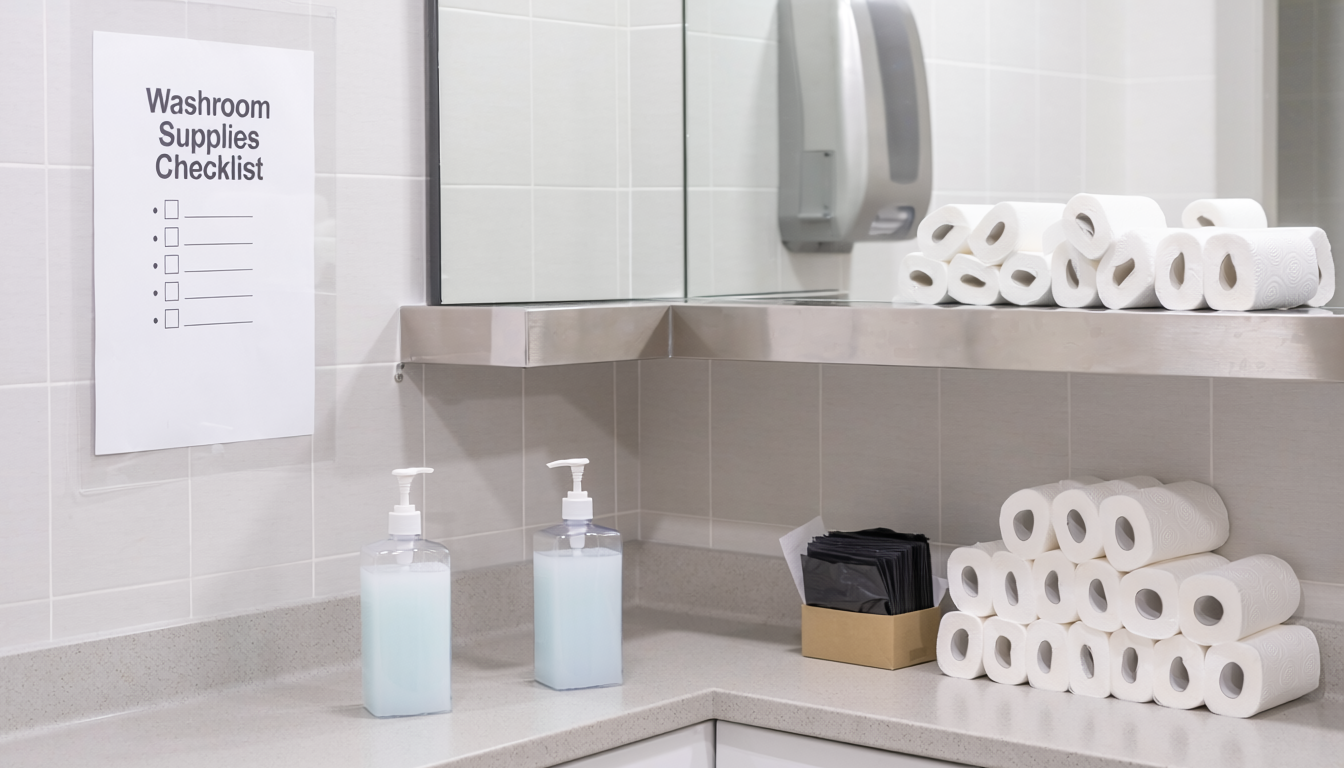
Establishing a robust washroom supplies checklist serves as the operational backbone for any facility manager aiming for consistent standards. In the high-pressure environments of Perth’s hospitality and retail sectors, the smallest oversight in procurement can quickly escalate into a public relations hurdle. A facility that looks professional but lacks basic consumables sends a message of neglect to both staff and visitors. It creates a friction point that can tarnish the reputation of an otherwise premium establishment.
Operational efficiency relies on moving away from reactive ordering towards a proactive, structured system. When you partner with a specialist like Weskleen Supplies, you gain access to the commercial-grade products that withstand the rigours of heavy daily use. But how do you determine which items are truly essential for your specific floor plan? Determining this requires a technical understanding of usage rates and the durability of the hardware you’ve installed. The checklist shouldn’t just be a list of items; it’s a strategic document that ensures the health and comfort of every user.
Essential Paper Products and Dispensing
Paper products are the most frequently used consumables in any commercial facility, making them the most critical component of any washroom supplies checklist. For large-scale offices or busy retail centres, the sheer volume of consumption demands a high-capacity approach. Standard domestic rolls aren’t designed for these environments; they lead to frequent run-outs and increased labour costs as staff spend more time refilling dispensers than cleaning. If you’ve ever had a guest experience the frustration of a stockout during peak service, you know that the “savings” of cheaper rolls are quickly erased by lost goodwill.
Strategic bulk toilet paper procurement is the most effective way to manage these costs while ensuring you never face an empty cubicle. By opting for jumbo rolls or interleaved systems, you reduce the frequency of maintenance cycles. This approach isn’t just about saving money; it’s about reliability. A retail manager in a busy Northbridge shopping centre recently shared how switching to a structured bulk toilet paper procurement plan saved their team six hours of labour per week, simply by reducing the number of daily refills required. This time was redirected to deep-cleaning tasks, improving the overall hygiene of the centre.
Hardware Durability and Selection
The hardware you choose dictates the efficiency of your consumables. While it’s tempting to opt for the cheapest dispensers, these often lead to “tabbing” (where the paper tears off in tiny bits) or excessive waste. High-quality dispensers ensure that only a specific amount of product is released at a time. This controlled-feed technology is a vital part of a professional washroom supplies checklist because it directly impacts your bottom line.
Durability is particularly important in hospitality and retail settings where equipment is subjected to rough use. Stainless steel or high-impact ABS plastic units are the standard for professional environments. These units don’t just look better; they’re easier to sanitise and less likely to break, which prevents the need for costly emergency replacements. When your hardware works reliably, your supply chain remains predictable, allowing you to focus on managing your business rather than fixing broken soap pumps.
Hand Hygiene and Sanitisation Essentials
Hand hygiene is the primary defence against cross-contamination in the workplace. In hospitality environments, where food safety is paramount, the quality of your soap and the reliability of your dispensers can’t be compromised. Your washroom supplies checklist must account for various skin-friendly but effective formulas, ranging from foaming soaps to heavy-duty industrial cleansers for workshop environments. Cheap, harsh soaps can lead to skin irritation for staff who wash their hands fifty times a day, which is a significant occupational health consideration.
The logistics of commercial soap dispenser refills require a scheduled approach to ensure that dispensers are always functional. Many managers wait until a unit is completely empty before refilling, but this often leads to downtime during peak service hours. Integrating commercial soap dispenser refills into a daily morning walk-through ensures that hospitality venues maintain their duty of care to guests without interruption. Consistency here is key; a guest who finds an empty soap dispenser is unlikely to trust the hygiene standards of the kitchen or the overall cleanliness of the venue.
Deep Cleaning Chemicals and Surface Care
Beyond the daily consumables, your washroom supplies checklist must include the chemical solutions required for deep-sanitisation. A washroom that looks clean can still harbour significant bacterial loads in porous surfaces or grout lines. You need a rotation of chemicals, including a professional foaming cleaner and sanitiser for vertical surfaces like partitions and wall tiles. Foaming agents allow for longer dwell times, ensuring the chemical has enough time to kill pathogens before it’s wiped away.
You should also include pH-neutral cleaners for sensitive surfaces like natural stone or marble often found in high-end retail and hotel washrooms. Using acidic cleaners on these materials can cause permanent etching and damage. For floors, a heavy-duty degreaser might be necessary to remove the buildup of body oils and soap scum that makes floors slippery and dangerous. By specifying the exact chemicals on your checklist, you ensure that your cleaning team isn’t using “all-purpose” solutions that might be ineffective or damaging.
Environmental Control and Air Care
A washroom that is visually spotless but smells neglected will still fail the user’s perception test. Professional air care is a technical requirement, not a luxury. Think of your facility’s supply chain as the heartbeat of the building; if it skips a beat, the entire operation feels the strain. Without a consistent supply of air-care consumables, the environment can quickly become unwelcoming, regardless of how often the floors are mopped. Malodours are often the first sign of a hygiene failure, even if the surfaces look clean.
Implementing modern washroom odour control systems is essential for neutralising malodours at the molecular level. Unlike domestic aerosols that merely mask smells with heavy fragrance, commercial washroom odour control systems use metered delivery to ensure a constant, subtle level of freshness. These systems should be high on your washroom supplies checklist to ensure that high-traffic hospitality zones remain pleasant throughout the day. Are your current air-care units timed correctly for your opening hours, or are they wasting product in an empty building overnight? Professional systems allow you to program the delivery, ensuring maximum impact when your guests are present.
Feminine Hygiene and Specialised Waste
Managing feminine hygiene waste is a sensitive but essential part of washroom maintenance. In Australia, businesses have a duty of care to provide hygienic disposal methods. This isn’t just about aesthetics; it’s about preventing the plumbing issues that occur when items are flushed. A single blocked pipe can cost a hospitality venue thousands in emergency plumbing fees and result in closed facilities during busy periods.
Your washroom supplies checklist should include touchless disposal units to minimise cross-contamination risks for users and cleaning staff. Furthermore, you must determine the frequency of servicing. Retail environments with high traffic may require weekly collection, while smaller offices might only need monthly service. By including these requirements on your checklist, you ensure that bins never reach capacity, preventing the unpleasant odours and hygiene risks associated with overfilled units.
Waste Management and Floor Care Tools
Effective waste management is about more than just bin liners. It involves the tools your staff use to move through the facility efficiently. A well-stocked hand caddy allows your cleaning team to carry all necessary chemicals and cloths in one trip, reducing the time spent walking back and forth to the supply cupboard. This small investment in professional hardware significantly boosts the productivity of your frontline staff, allowing them to complete their rounds faster and with more attention to detail.
For hospitality venues with large floor areas, even the washroom entryways need constant attention to prevent the tracking of dirt and moisture into dining areas. Using a Medusa Battery-Powered Sweeper allows for quick, quiet pickups of paper scraps or dry debris without needing to cordone off the area or pull out heavy equipment. Including these specialised tools on your broader washroom supplies checklist ensures that your team has the right equipment for both deep cleans and rapid spot-maintenance throughout the shift.
Staff Training and Safety Protocols
Even the best washroom supplies checklist is ineffective if the staff don’t know how to use the items safely. Every checklist should have a corresponding “Safety” section that includes PPE (Personal Protective Equipment) like nitrile gloves and safety goggles for handling concentrated chemicals. It’s easy to overlook these items, but they are critical for workplace safety compliance and protecting your team from chemical burns or irritations.
You should also include high-visibility “Wet Floor” signage as a mandatory item on every cleaning cart. Slips and falls are a leading cause of workplace injury claims in the hospitality sector. Ensuring these signs are always available and used correctly is a simple way to mitigate risk. Additionally, ensure that your staff understand chemical dilution ratios; using too much chemical is a waste of money and can leave a sticky residue that actually attracts more dirt over time.
Inventory Management and Storage Logistics
Where you store your supplies is just as important as what you order. Commercial washroom supplies, especially paper products, are bulky and susceptible to moisture damage. If you’re engaging in bulk toilet paper procurement, you need a dedicated, dry storage area that is easy for staff to access but secure from theft. Your washroom supplies checklist should be used as an inventory log, allowing you to track consumption patterns over time.
Do you find that you’re using more hand towels in winter? Or perhaps soap consumption spikes during local festival seasons? By tracking these trends on your checklist, you can adjust your ordering schedule to prevent stockouts before they happen. This data-driven approach to procurement ensures that you never have thousands of dollars in capital tied up in excess stock, but you’re also never caught short during a busy weekend.
Conclusion
A comprehensive washroom supplies checklist is the difference between a facility that merely functions and one that excels. By focusing on high-capacity paper products, reliable hand hygiene, and advanced air-care systems, Perth businesses can ensure a seamless experience for every user. It’s about creating a predictable, manageable system that supports your business goals and protects your brand’s reputation.
Refining your inventory doesn’t have to be a solo task. If you need assistance auditing your current usage or selecting the right hardware for your building, contact us to speak with a commercial supply specialist.Ensure your facility never runs short on essentials. Download our structured checklist and browse the full range of professional solutions at Weskleen Supplies to streamline your maintenance today.