


Blog
HACCP-Compliant Cleaning Chemicals: What Perth Businesses Need

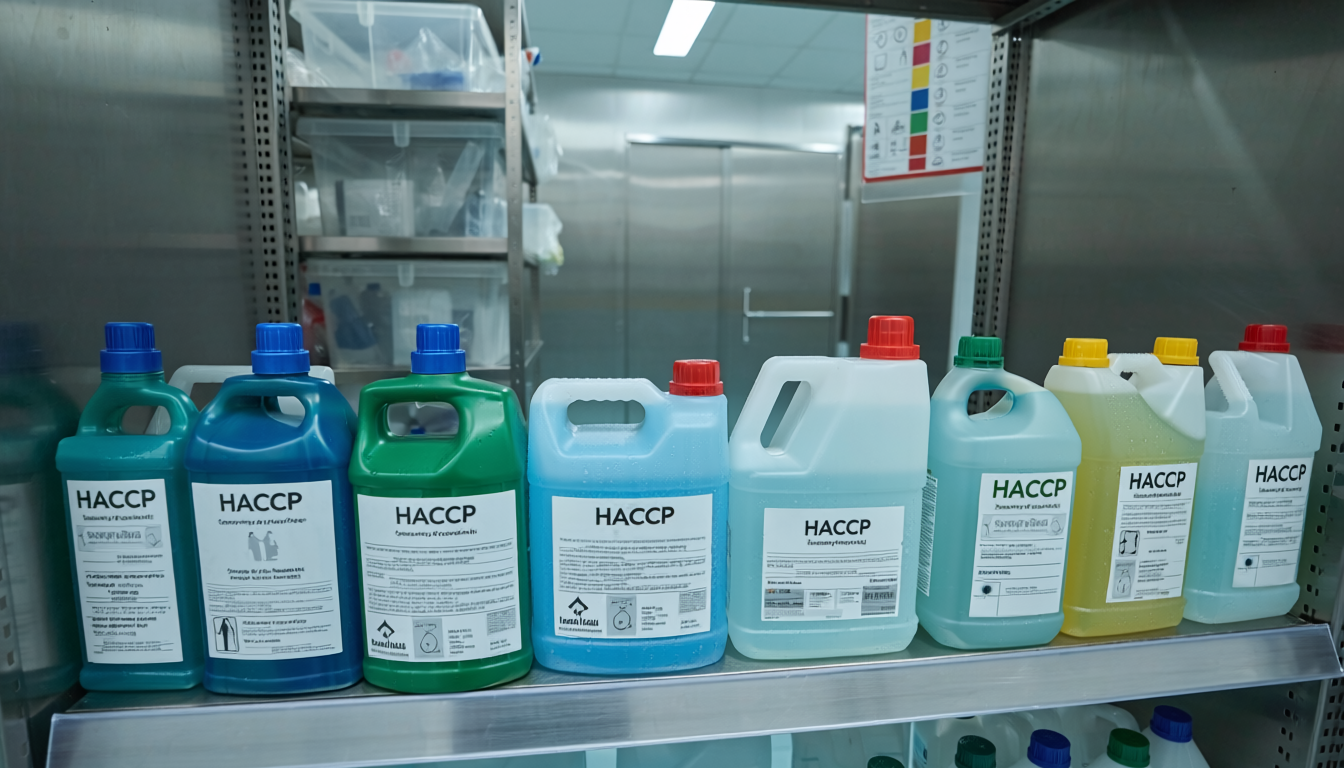
For food businesses across Perth, one failed health inspection can mean temporary closure, reputational damage, and thousands in lost revenue. Yet many operators don’t realise their cleaning chemicals might be the weak link in their food safety program.
HACCP-compliant cleaning chemicals aren’t just about meeting regulatory requirements. They’re the foundation of a defensible food safety system that protects customers, staff, and business viability. Weskleen Supplies works with Perth’s food industry to ensure cleaning programs meet Australian standards without the guesswork.
The difference between compliant and non-compliant chemicals often isn’t visible until an auditor asks for documentation. That’s when businesses discover their “food-safe” products don’t actually meet HACCP standards.
Understanding HACCP Compliance in Australia
What HACCP Actually Means for Cleaning Programs
HACCP, Hazard Analysis Critical Control Point, is a systematic approach to identifying and controlling food safety hazards. For Perth businesses, it’s not optional. Australian food safety standards require HACCP-based programs for most commercial food operations.
Cleaning chemicals represent a critical control point because they directly contact food preparation surfaces. A single non-compliant product can contaminate an entire batch of food, triggering recalls or illness outbreaks.
The framework requires documented evidence at every step. Which chemical was used? What concentration? Who applied it? When? These aren’t bureaucratic details, they’re the audit trail that proves due diligence if something goes wrong.
Why Standard Cleaning Products Don’t Meet the Grade
Take Marcus, who manages a busy café in Northbridge. He’d always used the same multipurpose cleaner from the local hardware store, it worked well and smelled fresh. During a routine inspection, the health officer asked for the product’s AQIS approval number. Marcus didn’t have it because the product wasn’t certified for food-contact surfaces.
The result? A non-conformance notice and mandatory corrective actions before reopening.
Standard household or industrial cleaners often contain fragrances, dyes, or residual chemicals that aren’t approved for food environments. They might clean effectively, but they haven’t undergone the testing and certification required for HACCP compliance.
The risk isn’t theoretical. Chemical residues can trigger allergic reactions, create off-flavours in food, or introduce toxins. Cross-contamination from cleaning equipment is a documented pathway for foodborne illness.
What Makes a Cleaning Chemical HACCP-Compliant
Certification and Documentation Requirements
Think of HACCP certification like a passport for cleaning chemicals, without the right stamps, they can’t enter your food preparation area.
Compliant products must have AQIS (Australian Quarantine and Inspection Service) approval or equivalent food-safe certification. The documentation proves the formulation has been tested and approved for use on food-contact surfaces.
Every HACCP cleaning chemical needs a comprehensive Safety Data Sheet (SDS) that details composition, safe handling procedures, and emergency response information. But certification goes deeper, batch testing records, quality assurance certificates, and traceability documentation must be available on demand.
During audits, inspectors don’t just look at what you’re using. They verify you can prove it’s compliant through documentation.
Chemical Formulation Standards
HACCP-compliant chemicals follow strict formulation rules. Certain ingredients are prohibited entirely in food environments, particularly persistent fragrances, non-approved dyes, and substances that leave toxic residues.
pH levels matter significantly. Highly alkaline or acidic cleaners can damage surfaces and equipment, but they also require specific neutralisation and rinsing protocols. The formulation must ensure complete removal with standard rinsing procedures.
Residue is the critical consideration. A cleaner might remove grease beautifully, but if it leaves a film that requires excessive rinsing or could transfer to food, it’s non-compliant. Approved formulations must rinse clean with standard water pressure and volume.
Biodegradability and environmental impact factor into modern HACCP standards. Perth businesses increasingly face scrutiny on waste water discharge, making environmentally responsible formulations both compliant and practical.
Core HACCP Cleaning Chemical Categories
Sanitisers and Disinfectants
Here’s where confusion often creeps in: cleaning and sanitising aren’t the same thing in HACCP terminology. Cleaning removes visible soil and contamination. Sanitising reduces microbial contamination to safe levels.
Quaternary ammonium compounds (quats) are workhorses in food-safe sanitising. They’re effective against a broad spectrum of pathogens, have low toxicity, and don’t require rinsing when used at proper concentrations. But they must be applied to pre-cleaned surfaces, organic matter blocks their effectiveness.
Contact time is non-negotiable. If a sanitiser requires two minutes of wet contact to achieve proper microbial reduction, you can’t wipe it off after thirty seconds. HACCP documentation must prove you’re meeting manufacturer specifications.
Chlorine-based sanitisers work faster but have drawbacks, they’re corrosive to some metals, degrade in sunlight, and lose effectiveness in hard water. Alcohol-based products offer rapid action but evaporate quickly, making contact time verification tricky.
Degreasers for Food Preparation Areas
Commercial kitchens generate stubborn grease and carbon buildup that pH-neutral cleaners can’t touch. HACCP-compliant degreasers use alkaline formulations strong enough to break down polymerised fats without introducing food safety risks.
The key specification is “rinses food-safe.” A powerful degreaser isn’t compliant if it requires multiple rinse cycles or leaves alkaline residues. The formulation must balance cleaning power with complete removal.
Application method affects compliance. Some concentrated degreasers require dilution to specific ratios, using them at full strength violates both manufacturer specifications and HACCP protocols. Documented dilution procedures aren’t bureaucracy; they’re safety controls.
Never apply degreasers to hot surfaces or equipment. The chemical interaction can create dangerous fumes and compromise the cleaning outcome. Temperature guidelines in product specifications are HACCP requirements, not suggestions.
General-Purpose Cleaners
For routine cleaning of floors, walls, and non-food-contact surfaces, general-purpose HACCP cleaners handle daily maintenance without overkill.
pH-neutral formulations work across multiple surface types without damage. They’re gentle enough for regular use on stainless steel, sealed concrete, and ceramic tiles, yet effective enough to maintain hygiene standards between deep cleans.
The “general-purpose” label doesn’t mean lower standards. These products still require AQIS approval if used in food preparation areas. The certification confirms they won’t introduce contamination even if incidentally contacted with food surfaces.
Multi-surface capability reduces chemical inventory complexity, fewer products mean fewer SDSs to maintain, simpler staff training, and reduced storage requirements. For small operations, this simplification is valuable for compliance management.
Industry-Specific HACCP Requirements
Restaurants and Commercial Kitchens
Restaurant operations face the full spectrum of HACCP cleaning challenges. Cooking equipment accumulates carbonised residues requiring aggressive degreasers. Food preparation surfaces need frequent sanitising with quick-dry products. Front-of-house areas require cleaning that doesn’t disrupt service.
Daily protocols must distinguish between food-contact and non-food-contact surfaces. Using the same bucket and mop for kitchen floors and food prep areas creates cross-contamination pathways that undermine your entire HACCP program.
Grease traps and extraction systems present specialised challenges. The chemicals used here must be powerful enough to prevent fire hazards from grease buildup, yet compliant enough not to contaminate the kitchen environment through vapour or drainage.
Chemical rotation prevents bacterial resistance. Using the same sanitiser continuously allows microorganisms to adapt. HACCP programs increasingly include scheduled rotation between different chemical classes.
Food Processing and Manufacturing
Processing facilities operate under more stringent requirements than restaurants. Production environments require validated cleaning procedures that prove contamination elimination to specified microbial limits.
Clean-in-place (CIP) systems automate cleaning for tanks, pipes, and processing equipment. The HACCP cleaning chemicals used in CIP must be compatible with stainless steel and rubber gaskets, effective at specified temperatures, and completely rinseable without manual intervention.
Environmental monitoring programs test surfaces and air for contamination. The cleaning chemicals must consistently deliver results that pass ATP swab testing and microbial plate counts. Inconsistent results trigger investigations and potential batch holds.
Batch records in processing facilities document every chemical used in production areas. The traceability extends beyond which product was used to include batch numbers, expiry dates, and concentrations. This documentation proves due diligence if a food safety incident occurs.
Cafes, Bakeries, and Food Retail
Smaller operations face a practical challenge: implementing HACCP compliance without the infrastructure of larger businesses. The solution isn’t exemption, it’s right-sized programs using appropriate HACCP cleaning chemicals.
Display case cleaning requires products that won’t taint food through vapours or residues. Glass cleaners must be ammonia-free and fragrance-free if used near food. Even customer-facing areas require careful product selection.
Bakeries contend with flour dust, sugar residues, and baked-on deposits. The cleaning program must address these specific challenges with compliant products that work in relatively low-moisture cleaning situations, dough on stainless steel doesn’t respond to the same chemicals as grease on cooking surfaces.
Cost-effectiveness matters for small businesses, but cutting corners on chemical compliance is false economy. A single failed inspection costs more than years of proper chemical purchases. The trick is selecting concentrated products that deliver compliance at sustainable costs.
Selecting the Right HACCP Chemicals
Reading Labels and Certifications
Product labels on HACCP-compliant chemicals display specific certification marks. Look for AQIS approval numbers, food-safe certifications, and compliance statements referencing Australian standards. If these aren’t prominently displayed, question the product’s compliance status.
Technical specifications detail concentration ranges, contact times, and surface compatibility. These aren’t optional guidelines, they’re the certified use parameters. Deviating from them voids compliance and potentially damages surfaces.
Approval doesn’t mean universal application. A sanitiser approved for food-contact surfaces might not be suitable for aluminium equipment. A degreaser certified for stainless steel might corrode brass fittings. Reading the complete technical documentation prevents expensive mistakes.
Beware of vague claims like “food-safe” or “suitable for commercial use” without supporting certification. These marketing phrases don’t substitute for documented HACCP compliance. Legitimate suppliers provide comprehensive certification documentation without hesitation.
Matching Chemicals to Your Specific Needs
Start by mapping your facility’s surfaces and cleaning requirements. Stainless steel predominates in professional kitchens, but you’ll also find aluminium, chrome, ceramic, sealed concrete, and various plastics. Each material has compatibility requirements.
Frequency matters when selecting formulations. A foaming cleaner and sanitiser used multiple times daily needs gentler chemistry than a weekly deep-clean degreaser. High-frequency products must balance effectiveness with surface preservation.
Calculate required concentrations and usage volumes before purchasing. Concentrated products offer better value but require accurate dilution. If staff compliance with dilution ratios is uncertain, pre-diluted ready-to-use formulations reduce application errors.
Consider water quality in Perth. Hard water affects chemical performance, particularly for sanitisers and some degreasers. Products formulated for Australian water conditions perform more consistently than imports not adapted to local water chemistry.
Implementation and Staff Training
Creating HACCP-Compliant Cleaning Schedules
Documented cleaning schedules transform compliance from concept to practice. The schedule specifies what gets cleaned, how often, with which chemical, at what concentration, and who verifies completion.
Different areas require different frequencies. Food preparation surfaces need cleaning and sanitising between product batches or after four hours of continuous use. Floors might be cleaned twice daily. Refrigeration units could be monthly. The schedule must reflect actual risk levels.
Monitoring creates the audit trail. Cleaning logs document who performed each task and when. Verification checks ensure the cleaning actually achieved its purpose, ATP testing, visual inspection, or microbial swabs depending on the risk level.
Corrective actions are pre-planned responses to cleaning failures. If a sanitiser test fails to meet microbial reduction targets, what happens? The HACCP program documents the corrective action and verification steps before operations resume.
Common Compliance Mistakes Perth Businesses Make
Documentation Failures
The most frequent audit failures aren’t about which chemicals businesses use, they’re about proving it. Missing documentation creates compliance gaps even when operations are fundamentally sound.
Chemical registers must list every cleaning product on-site with current SDSs. Expired safety data sheets violate workplace safety regulations beyond just HACCP. The register should include supplier information, batch numbers, delivery dates, and expiry dates.
Usage logs prove chemicals were applied according to HACCP protocols. Recording which chemical was used, at what concentration, on which equipment, by whom, and when creates the verifiable history auditors require.
Batch numbers on cleaning chemical containers enable traceability if issues arise. If a supplier recalls a contaminated batch, can you verify whether your facility used that batch? Without documentation, you can’t prove you didn’t.
Improper Chemical Storage and Handling
Storing HACCP cleaning chemicals in food preparation areas creates inherent contamination risks. Segregated storage, physically separated from food and food-contact surfaces, is mandatory.
Temperature and light exposure degrade some chemical formulations. Products stored in direct sunlight or near heat sources may lose effectiveness or develop safety hazards. Storage conditions specified in technical documentation aren’t suggestions.
Decanting chemicals into unlabelled spray bottles is a compliance violation and safety hazard. Every container must be clearly labelled with contents, concentration, hazard warnings, and date of preparation. Using unmarked bottles means staff can’t verify what they’re applying.
Disposal of expired or unwanted chemicals requires proper procedures. Pouring them down drains can violate environmental regulations and contaminate drainage systems. Perth businesses should contact us for guidance on compliant disposal methods.
Working with Compliant Suppliers
What to Look for in a Chemical Supplier
Supplier selection directly impacts compliance sustainability. A qualified supplier doesn’t just sell products, they provide technical support, training, and documentation that makes compliance manageable.
Look for suppliers who understand HACCP requirements specific to food businesses. They should provide complete compliance documentation without prompting, including current SDSs, certification letters, and technical specifications.
Technical support separates professional suppliers from product vendors. When you face an unusual cleaning challenge or need to verify compatibility with new equipment, knowledgeable support prevents costly mistakes.
Local Perth suppliers offer responsiveness advantages. When you run low on a critical sanitiser mid-service, same-day delivery isn’t luxury, it’s operational necessity. Established relationships with accessible suppliers reduce compliance stress.
Questions to Ask Before Purchasing
“Can you provide current AQIS approval documentation for this product?” This single question reveals whether you’re dealing with a compliance-focused supplier or someone just moving inventory.
“What technical support do you offer for implementing this chemical in our HACCP program?” Suppliers committed to your success provide training, application guides, and troubleshooting assistance.
“Do you supply usage logs and documentation templates?” Forward-thinking suppliers provide tools that simplify compliance maintenance, reducing your administrative burden.
“What’s your typical stock availability and emergency supply capacity?” Compliance depends on continuous supply. Understanding a supplier’s inventory management and backup capabilities prevents desperate compromises during shortages.
Cost Considerations and ROI
Investment vs Risk Management
HACCP-compliant cleaning chemicals typically cost more than generic alternatives. A five-litre sanitiser might be $45 compared to $20 for a non-certified product. That $25 difference feels significant until you calculate the cost of failed compliance.
A temporary closure for non-compliance can cost thousands in lost revenue per day. Reputational damage from publicised health violations affects customer traffic for months. Legal costs, potential fines, and increased insurance premiums add substantial expense.
The investment in compliant chemicals is fundamentally risk management. You’re purchasing documented protection against food safety incidents and regulatory enforcement. The ROI isn’t measured in cleaning performance, it’s measured in incidents prevented.
Insurance implications are increasingly significant. Some policies require documented HACCP compliance as a condition of coverage. Using non-compliant chemicals could void coverage if a claim arises from food safety issues.
Budget-Friendly Compliance Strategies
Concentrated formulations deliver compliance at lower cost per use. A product requiring 1:100 dilution means one litre makes 100 litres of working solution. The upfront cost is higher, but cost per application is substantially lower.
Proper dilution prevents waste and maintains compliance. Over-concentrated solutions waste product and may violate use specifications. Under-concentrated solutions fail to achieve required cleaning or sanitising outcomes. Both scenarios cost money unnecessarily.
Chemical program optimisation reduces redundancy. Many businesses accumulate multiple products that serve similar purposes. Consolidating to fewer, multi-purpose compliant chemicals simplifies inventory and reduces costs without compromising compliance.
Supplier relationships matter for budget management. Established customers often access volume discounts, promotional pricing, and preferential stock allocation during shortages. Building a partnership with your chemical supplier yields financial benefits beyond unit pricing.
Protecting Your Business Through Chemical Compliance
HACCP-compliant cleaning chemicals aren’t regulatory burdens, they’re business protection. The documentation, certification, and procedures surrounding these products create defensible food safety programs that withstand scrutiny.
Perth’s food industry operates in an environment of increasing accountability. Customers expect safety. Regulators demand proof. Insurance requires documentation. The businesses that thrive are those treating compliance as operational foundation rather than administrative obligation.
The right chemicals, properly implemented and documented, transform potential liability into demonstrated competence. They protect customers from harm, staff from hazardous exposures, and businesses from preventable failures.
Compliance isn’t achieved through a single product purchase. It’s an ongoing commitment to systematic procedures, staff competency, and verifiable documentation. But it starts with selecting HACCP cleaning chemicals that meet Australian standards and support operational success.