


Blog
How to Clean Commercial Kitchen Equipment: Product Guide

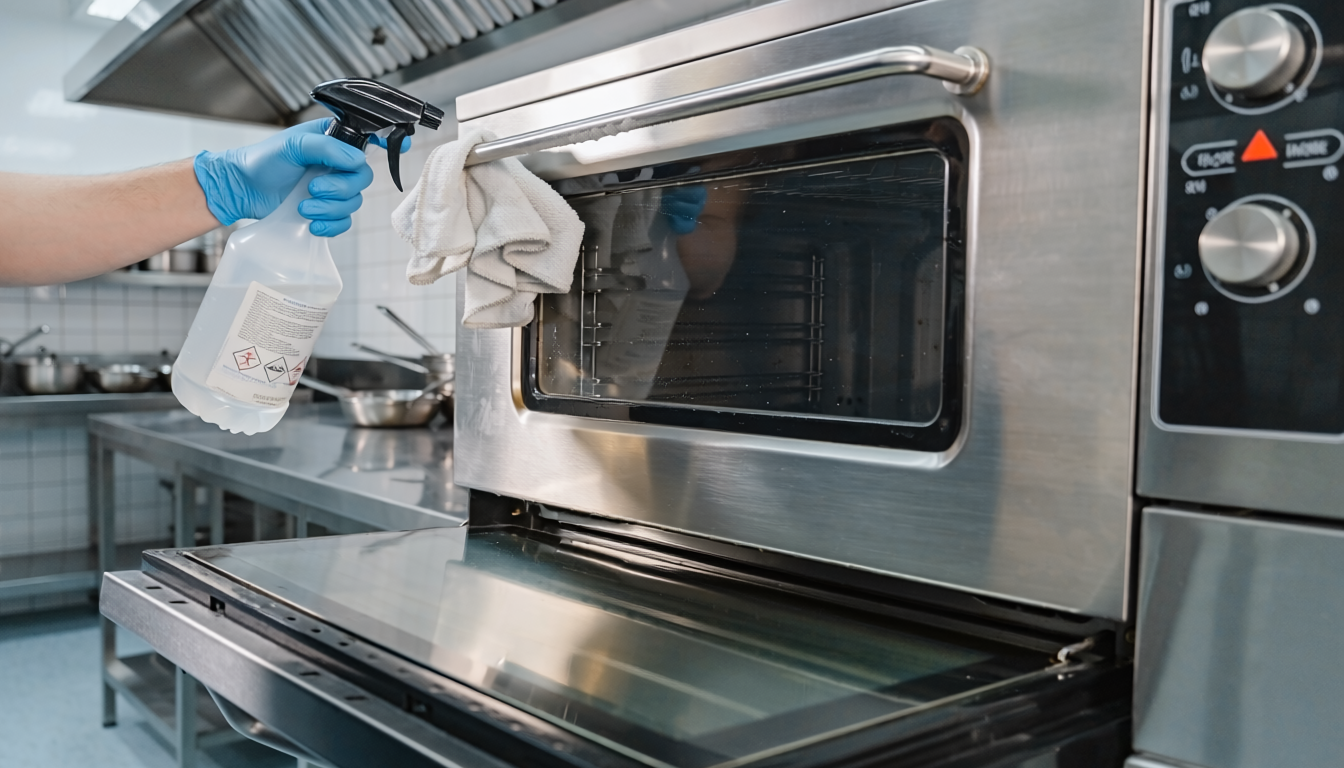
Maintaining high standards in a professional culinary environment requires more than just a quick wipe-down at the end of a shift. For those managing high-volume facilities, Weskleen Supplies provides the technical grade solutions needed to meet rigorous health inspections. Effective commercial kitchen equipment cleaning is the foundation of both food safety and operational longevity. Every grease-laden surface presents a potential hazard, making the choice of cleaning chemistry as vital as the ingredients used in the recipes themselves.
Understanding Commercial Kitchen Equipment Cleaning
Professional cleaning differs from domestic maintenance due to the sheer volume of fats, proteins, and carbohydrates processed daily. Heat acts as a catalyst, bonding these organic soils to surfaces in a way that standard household cleaners simply cannot address.
The Importance of Deep Degreasing
Heavy-duty cooking environments generate significant volumes of airborne grease that settle on every available surface, from the ceiling tiles to the inner workings of the refrigeration units. Over time, these layers harden into carbonised deposits. Think of industrial degreasers like the high-detergency oil used in a performance engine. Just as the right oil breaks down heat-shattered particulates to keep the motor running smoothly, a professional degreaser emulsifies carbonised fats so they can be rinsed away without abrasive scrubbing.
Failing to address this buildup reduces the heat efficiency of your appliances. A fryer with a heating element coated in carbon requires more energy to maintain oil temperature, increasing your utility bills and slowing down service. More importantly, these grease reservoirs are the primary fuel source for kitchen fires. Regular stainless steel degreasing on hoods and vents is not just a cosmetic preference; it is a critical safety protocol.
Essential Chemicals for Kitchen Maintenance
Selecting the right chemical profile is the first step in protecting your investment. Using the wrong product on sensitive components doesn’t just result in a poor clean; it can lead to permanent etching or corrosion.
Choosing the Right Degreaser
For general maintenance, getting the all-purpose cleaner dilution right is critical. Using a concentrated solution for floor drains while employing a leaner mix for prep tables ensures cost-effectiveness and prevents chemical waste. When dealing with hoods and backsplashes, a focus on stainless steel degreasing ensures that the protective chromium layer of the metal remains intact. Professional kitchens often rely on high-alkaline cleaners to “cut” through heavy animal fats, but these must be used with caution on non-ferrous metals like aluminium.
Sanitisation and Hygiene Standards
Cleaning removes the visible soil, but sanitisation handles the invisible threats. In a commercial setting, the goal is to reduce bacterial populations to safe levels as defined by public health standards. This process requires both the right chemical and the correct application method.
Many traditional liquid sanitisers run off vertical surfaces too quickly to achieve the necessary contact time. This is where a foaming sanitiser application provides a distinct advantage. The foam clings to the sides of ovens, fridges, and walls, allowing the active ingredients to work for the full duration required to kill pathogens.
Consider the experience of Marco, a head chef at a bustling Perth bistro. His team struggled with a persistent “grease film” on the vertical panels of the fry station that standard sprays couldn’t budge. By switching to a high-cling Comet Foaming Cleaner & Sanitiser, they achieved a visual “blanket” of coverage that sat for five minutes. The result was a surface that wasn’t just visually clean, but laboratory-safe, reducing their end-of-night scrub time by twenty percent. A consistent foaming sanitiser application also helps staff see exactly where the product has been applied, ensuring no spots are missed during a busy turnover.
Care for Specialized Kitchen Assets
Not all equipment can be cleaned with the same aggressive approach. Modern kitchens are a blend of heavy iron, delicate electronics, and sensitive seals.
Deep Cleaning Combi Ovens and Fryers
The combi oven is often the most expensive asset in the kitchen. While many modern units feature automated cleaning cycles, these rely on specific chemical tablets or liquids that must be compatible with the manufacturer’s seals. Neglecting the manual cleaning of the door gaskets can lead to steam leaks, which eventually fry the sensitive control boards.
When cleaning fryers, safety is paramount. After the oil has been drained and filtered, a “boil out” procedure using a specialized degreaser removes the “varnish” that forms on the heating elements. However, ensure that the all-purpose cleaner dilution used for the exterior of the fryer is mild enough not to damage the digital timers and temperature displays.
Refrigeration and Cold Storage Maintenance
Commercial fridges and walk-in chillers are often overlooked in the cleaning schedule. However, the condenser coils—the “lungs” of the fridge—act as magnets for dust and grease. If these coils become clogged, the compressor works harder, leading to premature failure. Weekly vacuuming of these coils should be paired with a monthly sanitisation of the interior shelves. Mould loves the damp environment of a cold room, so using a foaming sanitiser application on the walls and floors once a month is an essential preventative measure.
Professional Tools and Accessories
Even the best chemicals require the right delivery system to be effective. Efficiency in a kitchen is often measured in seconds, and having tools within arm’s reach is vital.
Organisation and Efficiency
So why do professionals swear by organised caddies when a simple bucket might do? Keeping your hand caddy stocked with microfibre cloths, scrapers, and specialised brushes prevents staff from wandering back to the chemical cupboard, which keeps the workflow moving.
When it comes to versatility, using a high-quality all-purpose cleaner allows for a streamlined inventory. Maintaining a precise all-purpose cleaner dilution means one bottle can handle everything from the coffee machine exterior to the dining room chairs. This reduces the risk of chemical mix-ups, which can be dangerous in a high-pressure environment.
Personal Protective Equipment (PPE)
Deep cleaning involves chemicals that are designed to dissolve organic matter; unfortunately, your skin is also organic matter. Ensuring staff have access to heavy-duty nitrile gloves, aprons, and eye protection is non-negotiable. When performing stainless steel degreasing on overhead vents, the risk of chemical splashback is high. A proactive safety culture prevents workplace injuries and ensures that cleaning tasks are performed thoroughly rather than rushed due to discomfort.
Step-by-Step Cleaning Protocols
A structured approach ensures that no component of commercial kitchen equipment cleaning is overlooked. Start from the top and work down to prevent dirty water from dripping onto already-cleaned surfaces.
- Power Down and Cool: Ensure all electrical equipment is unplugged and cooking surfaces are cool to the touch. Hot surfaces can cause chemicals to vaporise, creating inhalation risks for staff.
- Dry Soil Removal: Use scrapers or dry cloths to remove heavy carbon and food debris. Focus on the grease traps and exhaust filters, as these areas are prime targets for flash fires if neglected.
- Chemical Application: Apply your degreaser, focusing on stainless steel degreasing for all appliance exteriors. Ensure the solution reaches the crevices of door seals and hinges where bacteria thrive.
- Agitation: Use non-scratch pads for sensitive surfaces and stiff brushes for heavy-duty grates. For ventilation hoods, allow the chemical to dwell for at least ten minutes before scrubbing.
- Rinse and Sanitise: Wipe away chemical residue with fresh water before applying your final sanitiser. This two-stage process prevents chemical cross-contamination and ensures a food-safe finish.
Ultimately, the goal is a kitchen that supports the talent of the culinary team while ensuring every plate served is safe. Consistency is the enemy of bacteria; a clean kitchen is a safe kitchen. For more information on tailored cleaning schedules or to browse our full range, please contact us to speak with a specialist.