


Blog
How to Clean Toys and Play Equipment Safely in Childcare Settings

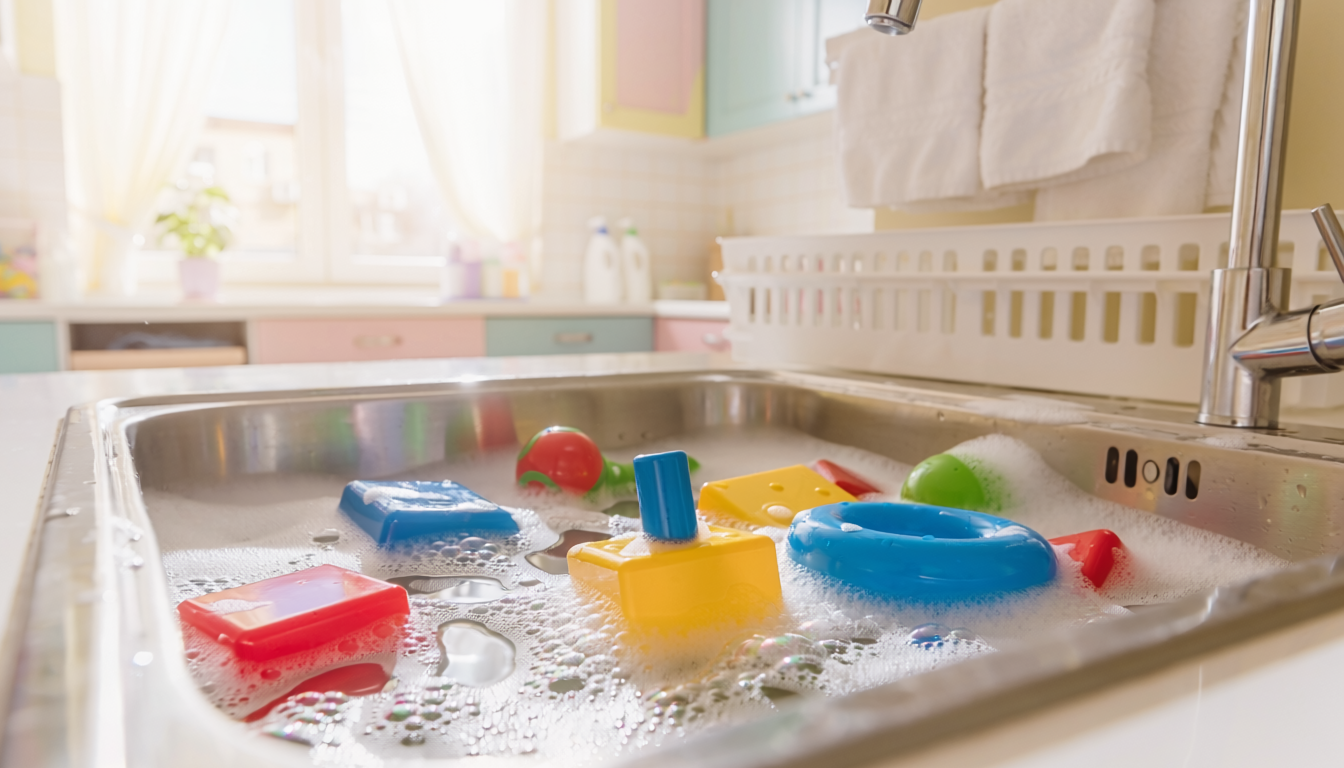
Children under five touch their faces roughly 400 times per day. They explore the world through their hands, mouths, and endless curiosity. In childcare settings, where dozens of children share toys and play equipment daily, this natural behaviour creates a perfect storm for germ transmission. One contaminated toy can spread illness to an entire classroom within hours.
Professional toy cleaning childcare protocols are not just about appearances. They are a critical infection control measure that directly impacts children’s health, staff wellbeing, and operational continuity. When done correctly, robust hygiene practices significantly reduce illness-related absences and build parent confidence in your facility.
The challenge lies in balancing thorough disinfection with child safety. Unlike commercial spaces where harsh chemicals pose minimal risk, childcare environments demand products and methods that eliminate pathogens without leaving harmful residues. You are cleaning surfaces that will end up in mouths, against faces, and in constant contact with vulnerable immune systems. Weskleen Supplies supports childcare providers across Perth with hospital-grade, child-safe solutions designed for these sensitive environments.
Understanding Contamination Risks
Walk through any childcare centre during free play. You will see children moving from activity to activity, toy to toy, with minimal hand washing in between. A child wipes their nose, grabs a building block, then hands it to a friend. Another mouths a plastic dinosaur before dropping it in the dress-up bin. This is not poor supervision; it is normal child behaviour.
Research indicates that hard plastic toys can harbour infectious viruses for up to 24 hours. Soft toys and fabric items hold bacteria even longer, creating reservoirs of potential illness. Common culprits include rotavirus, norovirus, influenza, and respiratory syncytial virus (RSV). During winter months, these pathogens circulate rapidly through childcare populations.
The Public Transport Analogy Think of your toy inventory like a city’s public transport system. Without regular, systematic cleaning, it efficiently moves passengers (germs) from one location (child) to another. The solution is not eliminating shared play, which is developmentally crucial, but implementing professional-grade cleaning protocols to break the circuit.
Daily vs Deep Cleaning Schedules
Professional childcare cleaning operates on two levels: daily maintenance and periodic deep cleaning. Both matter, but they serve different purposes and require distinct approaches.
Daily Maintenance Daily cleaning targets high-touch items and visible contamination. This includes toys mouthed by infants, items used during meal times, and high-contact surfaces like steering wheels on ride-on toys. These items need immediate attention.
We recommend a “three-bin system” that works brilliantly in busy centres:
- Green Bin: Clean toys ready for play.
- Red Bin: Used toys awaiting cleaning.
- Blue Bin: Toys currently being soaked or sanitised.
Children and staff can quickly sort items throughout the day, ensuring contaminated toys do not recirculate.
Periodic Deep Cleaning Deep cleaning happens weekly or fortnightly. This comprehensive approach includes dismantling complex toys to clean internal components, machine washing dress-up clothes, and sanitising storage containers.
A childcare centre we worked with in Subiaco implemented this dual approach after struggling with recurring gastro outbreaks. Within three months, their illness-related absences dropped by 40%, and parent complaints about hygiene disappeared entirely. The key was not more cleaning, but systematic cleaning with appropriate products.
Choosing Child-Safe Disinfectants
Here is where many childcare centres make critical mistakes. They either use products too harsh for child environments or choose gentle cleaners that do not actually disinfect. You need both safety and efficacy.
Disinfection Protocols Hospital-grade disinfectants approved for childcare use typically contain quaternary ammonium compounds (quats) or hydrogen peroxide. These kill 99.9% of bacteria and viruses when used correctly. However, “when used correctly” carries significant weight. Most disinfectants require specific contact times, often 3 to 10 minutes, to achieve their stated kill rates. Spray-and-wipe approaches often fail because the surface dries before the chemical can work.
For daily safe toy disinfection, the Comet Foaming Cleaner & Sanitiser exemplifies the necessary balance. It disinfects effectively whilst remaining safe for surfaces children contact directly. The foaming action helps staff see exactly where they have applied the product, reducing missed spots.
General Cleaning For general cleaning between disinfection cycles, pH-neutral cleaners work well. They remove dirt and organic matter without degrading plastic toys or leaving residues. Think of these like gentle soap for your hands; they clean without stripping or irritating. The Mr. Bean 5L All-Purpose Cleaner offers this versatility with a pleasant coffee scent that does not overwhelm sensitive noses.
Proper Cleaning Techniques by Toy Type
Not all toys clean the same way. Material composition, size, and construction determine your approach.
Hard Plastic Toys
These workhorses of childcare, building blocks, cars, action figures, handle robust cleaning well. For daily maintenance, wash in warm soapy water, rinse thoroughly, then apply disinfectant. The washing step matters more than many realise. Organic matter (saliva, food residue, dirt) blocks disinfectants from reaching surfaces. Clean first, then disinfect.
Many centres use commercial dishwashers for small plastic toys. This works brilliantly if your dishwasher reaches sanitising temperatures above 82°C and you skip the heated dry cycle, which can warp some plastics. Place toys in mesh laundry bags to prevent them falling through dishwasher racks.
Soft Toys and Fabrics
These require different handling. Most washable fabric toys can go through standard washing machines on hot cycles (60°C minimum) with regular detergent. Add a laundry sanitiser during the rinse cycle for extra pathogen elimination. Dry completely; damp toys breed mould and bacteria.
For toys that cannot be machine washed, spot clean with appropriate disinfectant, then isolate them from use for 24-48 hours. This “quarantine” period allows any remaining pathogens to die off naturally.
Large Play Equipment
Climbing structures, slides, and ride-on toys need systematic approaches. Break them into zones and clean methodically. Remove loose debris with dry cloths, wash surfaces with soapy water using squeegees, and apply disinfectant to all high-touch points. Pay special attention to joints, crevices, and undersides where dirt accumulates.
Electronic Toys
Batteries and electronics complicate cleaning. Never submerge these items. Instead, wipe external surfaces with disinfectant-dampened cloths, ensuring liquid does not enter battery compartments or speaker holes.
Managing Sensory and Messy Play Hygiene
Sensory play is vital for development but presents unique hygiene challenges. Materials like sand, water, and playdough are notoriously difficult to sanitise and can act as rapid vectors for illness if not managed strictly.
Water Tables Standing water is a breeding ground for bacteria and biofilm. Water tables must be drained, cleaned, and dried at the end of every single day. Do not leave water sitting overnight. Scrub the basin with a neutral detergent to remove slime (biofilm) before rinsing. If a child mouths a toy and drops it back into the water, or if a child sneezes into the table, the entire basin should be drained and sanitised immediately.
Sandpits Sandpits require daily maintenance. They should be raked every morning to remove debris and expose the lower layers of sand to UV light and air, which helps reduce anaerobic bacterial growth. Always cover sandpits securely when not in use to prevent local wildlife (cats, foxes) from using them as litter trays. If animal faeces are found, the contaminated sand must be dug out generously and disposed of, simply scooping the visible mess is insufficient.
Malleable Materials Playdough, slime, and goop are high-contact materials. In a perfect world, each child would have their own portion. If sharing is necessary, enforce strict hand washing before and after play. Discard homemade playdough weekly, or immediately if an illness outbreak occurs in the room. Commercial doughs often contain preservatives that extend shelf life, but they are not immune to contamination.
Outdoor Environment Challenges
Outdoor play equipment faces harsh conditions that impact hygiene. The intense Australian sun degrades plastic surfaces over time, creating micro-cracks and porous surfaces. These rough textures trap dirt and bacteria far more stubbornly than smooth, new plastic.
UV Damage and Cleaning Inspect outdoor plastics regularly. If a slide or climbing frame has become chalky or rough, it may be impossible to disinfect effectively and should be replaced. For general maintenance, pressure washing is effective for removing bird droppings, dust, and spiderwebs from large structures. However, ensure you use a low-pressure setting on softer plastics to avoid causing further surface damage.
Soft Fall and Shade Sails Rubber soft fall surfaces are porous and can harbour mould, especially in shaded areas during winter. Regular pressure cleaning with a fungicidal wash prevents moss and mould buildup which can be a slip hazard as well as a health risk. Similarly, inspect shade sails for bird droppings and mould. While you might not think of these as “contact surfaces,” dried droppings can turn into airborne dust that children inhale.
Organising Cleaning Workflows
Theory meets reality when you are managing toy cleaning childcare hygiene practices with limited staff during operational hours. Practical systems make the difference between consistent hygiene and good intentions that fail under pressure.
Zone-Based Cleaning Divide your centre into areas (infant room, toddler room, outdoor play, shared spaces) and assign cleaning responsibilities. Each zone has a checklist and designated cleaning caddy stocked with appropriate supplies. A Cleaning Hand Caddy keeps products organised and portable, so staff are not constantly walking back to storage areas.
Colour-Coding Implement colour-coded systems to prevent cross-contamination. Blue cloths for general surfaces, red for bathrooms, green for food preparation areas, and yellow for toys. This simple visual system prevents staff from accidentally using the same cloth across different hygiene zones.
Handling Contamination and Outbreaks
Despite best efforts, contamination incidents happen. A child vomits on toys, or someone has diarrhoea that spreads to play equipment. Your response protocol determines whether this becomes an isolated incident or a centre-wide outbreak.
Immediate isolation comes first. Remove contaminated items and cordon off affected areas immediately. Do not wait until it is convenient; act within minutes.
For Vomit or Faecal Contamination:
- Remove all children from the immediate area.
- Wear appropriate PPE (gloves, apron, mask).
- Remove visible matter with disposable materials.
- Clean the area with detergent and water.
- Apply hospital-grade disinfectant with appropriate contact time.
Toys directly contaminated with bodily fluids need individual assessment. Hard plastic toys can usually be salvaged with thorough cleaning and disinfection. Porous items like soft toys or wooden blocks may need disposal if contamination is extensive; it is not worth the risk.
Staff Training and Equipment Maintenance
The best cleaning products and protocols fail without properly trained staff who understand why these measures matter. We have seen centres invest in premium supplies only to have staff cut corners because they did not grasp the infection control principles behind the procedures.
Effective training covers basic microbiology, product knowledge, and proper technique. Make training practical and hands-on. Demonstrate proper cleaning techniques, then have staff practice whilst you observe.
Chemical Safety and Storage One of the biggest risks in childcare cleaning is the “glug-glug” method, staff guessing dilution ratios by pouring chemical concentrate directly into a bucket. This is dangerous and inefficient. Too strong, and you risk chemical burns or residue on toys. Too weak, and you are just spreading germs. Use automated dosing systems or measured pumps to ensure accuracy. Store all chemicals in a locked, ventilated cupboard away from children’s reach, ensuring Safety Data Sheets (SDS) are accessible for every product.
Equipment Care Professional-grade cleaning equipment represents a significant investment. Proper maintenance ensures these tools remain effective. Mop heads need regular replacement; worn fibres cannot trap bacteria effectively. Store cleaning products in original containers with intact labels, away from direct sunlight and temperature extremes to preserve chemical efficacy.
Building Parent Confidence
Parents evaluate childcare centres constantly, and cleanliness ranks among their top concerns. Visible hygiene practices reassure parents that their children are in safe, professional care.
Make cleaning visible without being performative. Parents dropping off children should see staff actively maintaining the environment. Use communication boards to display your cleaning schedule and recent deep cleaning dates. During centre tours, explicitly discuss your cleaning protocols. Walk prospective parents through your three-bin toy system and explain your response procedures for contamination incidents.
By implementing these professional standards, you create a healthier environment where children thrive and parents trust your care. For expert guidance on building comprehensive cleaning protocols for your childcare facility, contact us at Weskleen Supplies.