


Blog
Vacuum Cleaners for Perth Disability Support Providers

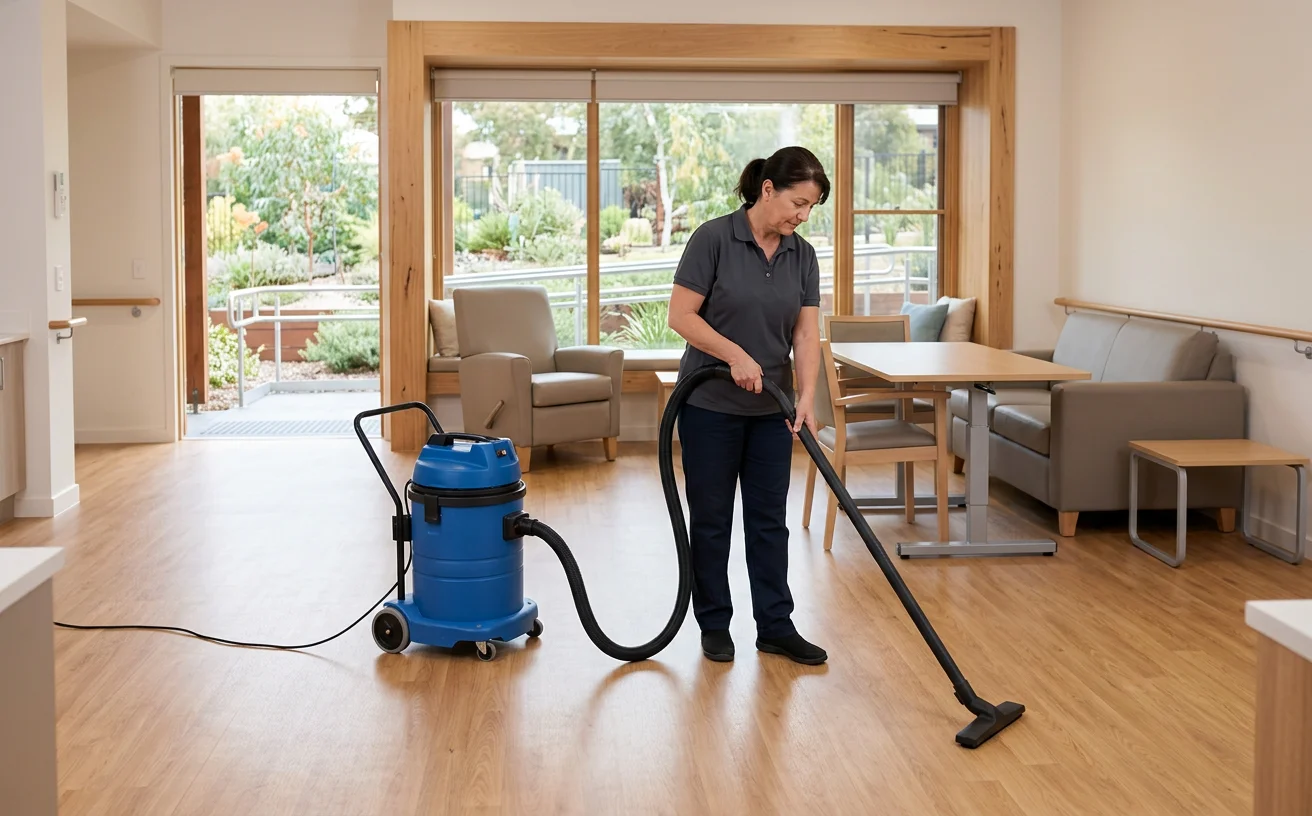
NDIS cleaning equipment decisions are rarely just about suction power. A support provider has to think about dust control, noise, weight, maintenance, documentation, and whether the vacuum suits the person receiving support. For Perth disability supply teams, the right machine also needs easy replacement parts and simple service paths. It also has to stay practical for repeated use in real homes.
The phrase NDIS-approved vacuum cleaners can be misleading if it is read as a product endorsement. Vacuum cleaners are not automatically approved by the NDIS just because they are commercial grade. The safer question is whether the equipment is suitable for the cleaning task, easy to document, and sensible for the support arrangement.
What NDIS Providers Should Check Before Buying
Disability support providers often buy equipment for home maintenance, supported accommodation, plan-managed services, or internal facilities work. The same vacuum might be used in a quiet unit, a shared living area, a clinic room, or a high-traffic hallway. That makes NDIS cleaning equipment a selection decision, not a catalogue shortcut.
A practical purchase file should show why the machine was chosen. The note does not need to be complicated. It should explain the cleaning environment, the dust-control need, the operator’s lifting limits, and the maintenance plan.
A provider might compare three vacuum options in the same way a fleet manager compares vehicles. One model may be powerful but too heavy. Another may be light but too noisy. A third may cost more upfront but save time through better filtration and fewer breakdowns.
Why Commercial Vacuum Features Matter
When a Perth disability supply buyer is ready to compare commercial machines, we stock vacuum cleaners that can handle regular carpet, vinyl, hard floors, skirting dust, and fine debris. The machine also has to avoid constant bag changes during ordinary site work.
Domestic machines can work for occasional use, but commercial sites ask more of the equipment. Motors run longer. Filters clog faster. Tools get bumped in storage cupboards. Hoses and floor heads need to survive daily handling.
Important features include:
- Filtration: better filtration helps control fine dust, allergens, and visible airborne debris.
- Ergonomics: harness shape, hose reach, wand length, and overall weight affect operator fatigue.
- Noise: lower noise matters in homes where a person is sensitive to sound.
- Serviceability: bags, filters, motors, cords, batteries, and tools need a clear replacement path.
- Documentation: model names, product pages, invoices, and maintenance notes help support cleaner purchasing records.
Backpack Vacuums for Disability Support Cleaning
Backpack vacuums are common in commercial cleaning because they keep the motor close to the operator and free both hands for wand control. For support providers, the benefit is movement. A cleaner can move around chairs, beds, mobility aids, desks, and tight hallway corners without dragging a barrel vacuum through the space.
The Pacvac Superpro 700 Vacuum Cleaner is a relevant example because Pacvac is a familiar commercial cleaning brand in Australia. It gives Perth disability supply teams a recognisable model name for internal comparison and product documentation.
A backpack vacuum is not right for every worker. The harness needs to fit properly. The operator should be comfortable carrying the loaded unit. If the cleaner has to work in a small bedroom or narrow support accommodation kitchen, the hose route matters. The wand angle can matter as much as the motor rating.
Think of the vacuum like a tool belt. If the weight sits properly, the worker can move quickly and safely. If it sits badly, every room feels harder than it needs to.
Battery Vacuums and Cord Management
Battery units can reduce trip hazards because there is no power cord running across the room. That can help in environments where residents, staff, carers, or visitors move through the space while cleaning is happening. It can also help when there are mobility aids, therapy equipment, or narrow doorways in the work area.
The Pacvac Superpro Go Battery gives buyers a way to compare cordless operation against a corded backpack unit. Battery packs introduce their own checks, though. A provider has to consider runtime, charging routine, spare batteries, storage, and whether a battery system suits longer cleaning rounds.
Cordless equipment is a little like changing from a wall phone to a mobile. The movement improves, but the battery routine becomes part of the job. If charging is forgotten, the advantage disappears during the next shift.
For NDIS cleaning equipment files, it helps to note why cordless operation matters. A safer note might mention reduced cable management, better movement in small spaces, and fewer interruptions around doorways.
Filtration, Dust and Allergy-Sensitive Spaces
Vacuum filtration becomes more important when a home or facility includes people with asthma, allergies, sensory sensitivity, or respiratory concerns. A vacuum does not replace medical advice or professional environmental assessment, but it can reduce the amount of visible dust stirred up during ordinary cleaning.
The key is not only the filter type. Bags, seals, hose condition, brush-head condition, and emptying routines all affect the final result. A high-filtration vacuum with poor bag changes can still perform badly.
Support teams should set a simple inspection rhythm:
1. Check bag fill level before the job starts.
2. Inspect the filter at the interval recommended for the model.
3. Look for air leaks around hose and wand connections.
4. Replace damaged floor tools before they scratch floors or miss debris.
5. Store attachments together so staff use the correct tool.
This is where commercial buying becomes less glamorous and more useful. A vacuum that is easy to maintain will usually beat a more impressive machine that nobody services properly.
When a Carpet Machine Is More Appropriate
A vacuum removes dry soil. It does not deep-clean a carpet fibre. If the concern is staining, odour, spill residue, or deeper hygiene work, a carpet extraction machine may be more suitable than repeated dry vacuuming.
Our carpet cleaning tools and equipment sit in a different category for buyers who need periodic deep cleaning. This distinction matters in NDIS support settings because the wrong tool can create unrealistic expectations. A support coordinator may hear that a room has been cleaned, but the job may only have covered dry dust and loose debris.
A useful cleaning plan separates daily, weekly, and periodic work. Daily vacuuming keeps loose debris under control. Scheduled extraction can support deeper carpet care. Spot cleaning can sit between those two layers when spills happen.
Simple Procurement Checklist for Perth Providers
A buyer responsible for NDIS cleaning equipment should not rely only on a product name. The product record should connect the machine to the environment and the job, using the model details available from Weskleen Supplies.
Use this checklist before ordering:
- Cleaning environment: home, shared accommodation, clinic, office, vehicle, or mixed site.
- Floor types: carpet, hard floors, mats, vinyl, tile, or mixed surfaces.
- User needs: noise sensitivity, allergy concerns, mobility aids, animals, or high dust loads.
- Operator needs: lifting limit, harness comfort, cord management, and tool storage.
- Consumables: bags, filters, floor heads, batteries, chargers, and replacement hoses.
- Service plan: who checks the machine and where repairs are handled.
- Evidence file: quote, invoice, model name, product URL, and reason for selection.
This checklist does not make the product NDIS-approved by itself. It simply helps a provider show that the purchase was practical, considered, and connected to a cleaning need.
Keeping Equipment Serviceable
Serviceability is often the difference between a good purchase and a frustrating one. A vacuum can fail because of a blocked hose, overloaded bag, damaged wand, worn floor tool, or motor issue. Many of those problems are avoidable if staff know what to check.
Organisation matters as much as the vacuum itself. If attachments, cloths, chemicals, and consumables are scattered across a storage cupboard, staff lose time and skip steps.
For vacuum fleets, a small maintenance label can help. The label can show bag type, filter type, inspection date, and the person responsible for checking it. That is simple enough for a support house or mobile cleaning team to use without building a full asset-management system.
A site manager in Canning Vale might notice that one shared accommodation unit keeps losing suction every fortnight. The cause may not be the machine. It may be a high-dust bedroom, a pet-hair load, or a filter that needs more frequent inspection. The fix comes from observing the site, not blaming the equipment first.
Matching Vacuum Choice to Support Context
Different support settings need different cleaning logic. A quiet apartment may need low noise and careful scheduling. A shared living area may need faster daily vacuuming. A therapy space may need strong dust control and careful storage. A provider vehicle may need compact tools that fit without clutter.
The NDIS cleaning equipment decision should follow the setting:
- Quiet home support: prioritise noise, weight, and simple handling.
- Shared accommodation: prioritise durability, quick tool changes, and spare consumables.
- Office or clinic support: prioritise filtration, professional appearance, and reliable servicing.
- High-turnover cleaning: prioritise runtime, bag capacity, and clear maintenance routines.
No single vacuum cleaner suits every support environment. The better question is which machine reduces cleaning friction for the exact team using it.
FAQ
Are Vacuum Cleaners Officially Approved by the NDIS?
Not automatically. The NDIS funds supports that meet its own rules, not commercial product labels. A vacuum should be assessed against the participant, provider, or facility cleaning need. Keep product documentation, invoices, and selection notes for review.
Is a Backpack Vacuum Better Than a Barrel Vacuum?
It depends on the site. A backpack vacuum can improve movement in tight areas, while a barrel unit may suit workers who should not carry weight on their back.
Why Does Filtration Matter in Disability Support Settings?
Better filtration can help reduce fine dust escaping during cleaning. It is one part of a broader cleaning plan that also includes bag changes, filter care, and correct tools.
Should Perth Providers Choose Corded or Battery Equipment?
Corded machines suit longer cleaning sessions when power access is easy. Battery machines can reduce cord hazards, but only if charging and runtime are managed well.
Conclusion
The safest buying decision is the vacuum that matches the cleaning environment, operator, and documentation need. Compare filtration, noise, weight, runtime and a clear parts path against the rooms the team will actually clean. A short written note on those points is enough to justify the choice later. Contact us if you need that shortlist checked against current stock.